A Comprehensive Travel Guide: Ushuaia to Antarctica via the Drake Passage
This guide details one of the most epic maritime journeys on Earth: an expedition cruise from the southernmost city in the world, Ushuaia, Argentina, across the infamous Drake Passage, to the pristine wilderness of the Antarctic Peninsula. This route, traversing the Antarctic Convergence and visiting a series of spectacular bays, channels, and islands, offers an unparalleled adventure into the heart of the White Continent.
Introduction to the Journey
The voyage from Ushuaia to Antarctica is more than a trip; it is a pilgrimage for polar enthusiasts and adventure seekers. The itinerary typically spans 10 to 14 days, navigating through some of the planet’s most dramatic and fragile ecosystems. Travelers embark on specialized expedition vessels, designed to handle the Southern Ocean’s conditions while providing a comfortable base for exploration. The experience is defined by towering icebergs, vast penguin colonies, breaching whales, and the profound silence of a landscape largely untouched by humanity. The success of this journey is highly dependent on weather and ice conditions, meaning flexibility and an adventurous spirit are essential.
Ushuaia, Argentina: The Gateway to Antarctica
Nestled at the foot of the Andes mountains on the island of Tierra del Fuego, Ushuaia proudly calls itself “El Fin del Mundo” (The End of the World). This vibrant port city is the primary departure point for over 90% of Antarctic cruises.
Attractions in Ushuaia
Tierra del Fuego National Park: A stunning national park where the Andes meet the sea. Visitors can hike through sub-Antarctic forests, canoe on Lapataia Bay, and take a photo at the end of the Pan-American Highway.
End of the World Museum (Museo del Fin del Mundo): This museum offers fascinating insights into the region’s natural history, indigenous Yámana people, and its past as a penal colony.
Martial Glacier: A short trip from the city center provides access to hiking trails with breathtaking panoramic views of Ushuaia and the Beagle Channel.
Beagle Channel Cruise: A shorter boat tour from Ushuaia allows visitors to see sea lions, cormorants, and the iconic Les Eclaireurs Lighthouse.
Food Recommendations in Ushuaia
Ushuaia’s culinary scene is dominated by the bounty of the South Atlantic.
Centolla (King Crab): A must-try local delicacy, often served simply steamed with a side of melted butter.
Merluza Negra (Patagonian Toothfish/Chilean Sea Bass): A rich, flaky white fish that is a staple in many restaurants.
Cordero Patagónico (Patagonian Lamb): Typically slow-roasted over an open fire, this is a classic dish of the region.
Local Craft Beer: The city has a burgeoning craft beer scene, with several breweries offering perfect post-adventure refreshments.
Accommodation Tips in Ushuaia
It is highly recommended to arrive in Ushuaia at least one or two days before your Antarctic cruise departure. This buffers against potential flight delays and allows time to explore.
Luxury: The Arakur Ushuaia Resort & Spa offers stunning views, an infinity pool, and modern amenities.
Mid-Range: Hotels like Los Cauquenes Resort or Alto Andino provide comfort and convenience close to the city center.
Budget: Numerous hostels and B&Bs, such as Antarctica Hostel, cater to backpackers and budget-conscious travelers.
Cultural Insights in Ushuaia
Ushuaia has a unique identity shaped by its remote location and history. The influence of its time as a penal colony is still palpable, adding a layer of gritty history to the stunning natural backdrop. The city thrives on tourism and possesses a frontier-town atmosphere, with a community that is resilient and deeply connected to the sea and the wild landscapes that surround it.
The Drake Passage: The Legendary Crossing
The journey from Ushuaia to the Antarctic Peninsula involves a two-day crossing of the Drake Passage, the body of water between Cape Horn in South America and the South Shetland Islands of Antarctica. It is renowned for having the roughest seas in the world, though it can also be surprisingly calm, leading sailors to refer to the two extremes as the “Drake Shake” or the “Drake Lake.”
During the crossing, the expedition team begins its educational program, with lectures on wildlife, polar history, and photography. This is also a prime time for birdwatching, as albatrosses, petrels, and other seabirds expertly glide alongside the ship.
The Antarctic Convergence & First Ice
A significant milestone of the journey is crossing the Antarctic Convergence. This is a natural boundary where cold, northward-flowing Antarctic waters meet warmer subantarctic waters. The change in temperature is often marked by a noticeable drop in air temperature and the appearance of fog. This biological barrier is rich in nutrients, attracting a vast amount of marine life. The first sightings of icebergs and snow-capped mountains signal the arrival in Antarctica, an moment met with great excitement on board.
Melchior Islands: A Icy Welcome
The Melchior Islands are often one of the first landing sites in Antarctica. This small archipelago, located in the Dallmann Bay, offers a sheltered and stunningly beautiful introduction to the continent. The calm waters are typically dotted with brilliantly blue icebergs, providing a spectacular backdrop for Zodiac cruises. Visitors may encounter crabeater seals lounging on ice floes and gentoo penguins porpoising through the water. The serene and icy landscape is a photographer’s dream.
Schollart Channel & Visiting Brabant Island
The Schollart Channel is a key waterway for accessing the western side of the Antarctic Peninsula. It leads towards Brabant Island, the second largest island in the Palmer Archipelago. While landings on Brabant itself are less common due to its rugged terrain and large glaciers, the surrounding waters are excellent for navigation. Expedition ships often cruise along its coast, revealing dramatic ice cliffs and towering peaks. The area is a hotspot for scientific research due to its active geology and rich ecosystems.
Anvers Island and Port Lockroy
Anvers Island is a major landmark on the peninsula. On its sheltered lee side lies one of Antarctica’s most popular tourist destinations.
Port Lockroy: A former British research station turned museum and post office. Operated by the UK Antarctic Heritage Trust, it offers a fascinating glimpse into the life of early polar explorers. Visitors can send postcards from the southernmost post office in the world and learn about its history. A gentoo penguin colony resides right outside the building, providing a classic Antarctic photo opportunity.
Pléneau Island & Petermann Island: Iceberg Alley & Penguins
Pléneau Island: Known as “Iceberg Alley,” the waters around Pléneau Island are often choked with a magnificent collection of grounded icebergs sculpted by wind and water into incredible shapes. Zodiac cruising here is an unforgettable experience, navigating through a maze of blue, white, and translucent ice. Leopard seals are often spotted hauled out on floes.
Petermann Island: This island is home to a large colony of gentoo penguins and a smaller colony of Adélie penguins. It also offers a poignant historical site: a cross dedicated to three members of the British Antarctic Survey who died in 1982. The view from the top of the island across the Penola Strait is breathtaking.
Neko Harbour & Paradise Bay: Mainland Antarctica
These two locations offer the chance to set foot on the continental mainland of Antarctica.
Neko Harbour: A stunning cove surrounded by glaciers and peaks. A landing here typically allows for a hike up a snowy slope for a spectacular panoramic view. It is a common spot for gentoo penguins, and the calving of the nearby glacier can produce dramatic waves.
Paradise Bay: True to its name, this is one of the most visually stunning places in Antarctica. Sheer cliffs and glaciers rise from deep blue waters. Visitors often take a Zodiac cruise to see blue-eyed shags nesting on cliffs and may visit the former Argentine base, Almirante Brown, or the Chilean González Videla Base. The silence here is profound, broken only by the crackle of ice and the call of birds.
The Errera Channel & Return Journey
The Errera Channel, separating Paradise Bay from the mainland, is a narrow and scenic waterway often used for ship navigation. Its calm waters reflect the magnificent mountains and glaciers on either side, creating perfect mirror images. After these profound experiences on the mainland, the ship begins its journey northwards, re-entering the Drake Passage for the return voyage to Ushuaia. The return crossing is often a time for reflection, sharing photos, and celebrating the incredible adventure with newfound friends.
Practical Information for the Voyage
Transportation: The Expedition Vessel
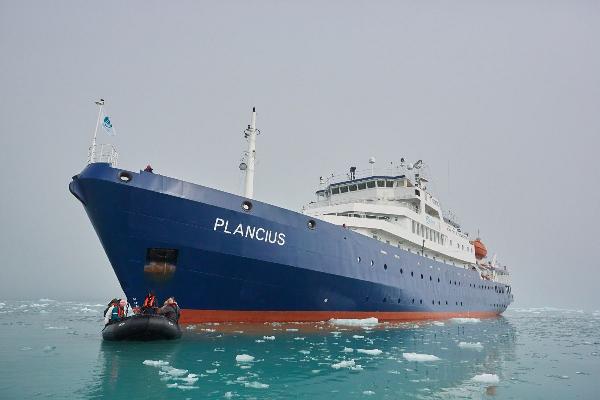
The ship is your home, transportation, and base of operations for the entire journey. Vessels range from smaller, more intimate expedition yachts (carrying under 100 passengers) to larger ice-strengthened ships (carrying up to 200). Smaller ships offer more flexibility for landings, as Antarctic regulations allow only 100 people ashore at any one site.
Accommodation on Board
Cabin types vary widely, from basic shared quarters to luxurious suites with balconies. While time spent in the cabin is minimal due to a busy schedule of landings and lectures, it is an important personal space for resting after days filled with activity.
Food on Board
Meals are included in the cruise fare and are typically served as buffets in a communal dining room. The quality is generally very high, with chefs preparing varied international cuisine designed to fuel passengers for their Antarctic explorations. Coffee, tea, and snacks are often available throughout the day.
Cultural Insights: Antarctic Treaty & Leave No Trace
Visiting Antarctica comes with great responsibility. All tourism operators are members of the International Association of Antarctica Tour Operators (IAATO), which mandates strict guidelines to protect the environment.
Leave No Trace: Nothing is left behind in Antarctica. All waste is managed onboard the ship.
Wildlife Disturbance: Visitors must maintain a safe distance from all wildlife (typically 5 meters from penguins, 15 meters from seals).
Biosecurity: Before landing, all clothing and gear must be thoroughly vacuumed to prevent introducing non-native species.
Respect for History: Historic sites and research stations are protected. Do not touch or remove anything.
Conclusion
The journey from Ushuaia, across the Drake Passage, and along the breathtaking coastline of the Antarctic Peninsula is a life-altering experience. It is a voyage that challenges perceptions, inspires awe, and creates a deep appreciation for one of Earth’s last great wildernesses. From the first sight of a towering tabular iceberg to the cacophony of a penguin colony and the profound silence of Paradise Bay, every moment etches itself into memory, making this one of the ultimate adventures any traveler can undertake.