A Comprehensive Travel Guide to Tulum Ruins and Gran Cenote, Mexico
Perched on the dramatic cliffs of the Yucatán Peninsula’s Caribbean coast, the ancient city of Tulum offers one of Mexico’s most breathtaking archaeological experiences. Just a short journey inland, the mystical world of cenotes—natural sinkholes filled with crystalline freshwater—awaits, with the magnificent Gran Cenote being a crown jewel. This guide will navigate you through the wonders of this unique destination, blending ancient Mayan history with unparalleled natural beauty.
Part 1: Tulum Archaeological Zone (The Ruins)
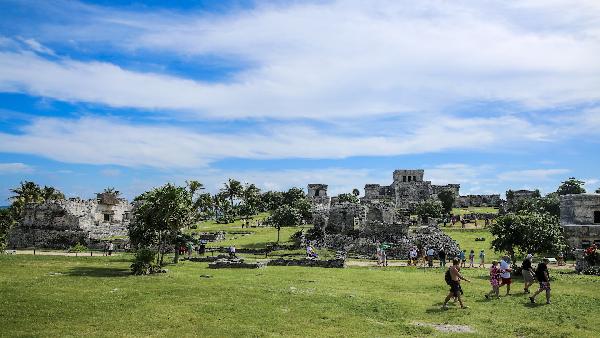
The Tulum Ruins, known in Mayan as “Zama” (City of Dawn), are the only Mayan city built on a coastline. Its strategic location served as a major port for trade and its stunning vistas make it one of the most photographed sites in the world.
Historical and Cultural Significance
Unlike older, more grandiose Mayan cities like Chichén Itzá, Tulum was at its peak during the late Postclassic period (1200-1450 AD). It was still inhabited during the Spanish arrival in the early 16th century. The city was a vital hub for land and sea trade, dealing in commodities like turquoise, jade, cotton, and cacao. The structures you see today are surrounded by a protective wall on three sides, with the fourth side open to the sea, highlighting its dual purpose as a fortified city and a trading post.
Key Structures to Explore
El Castillo (The Castle): Dominating the skyline, this is the largest and most iconic structure in Tulum. It served primarily as a temple, but its elevated position also made it a navigational lighthouse for Mayan canoes. Guides often point out that a light in a window would indicate a safe passage through the reef.
Temple of the Frescoes: Located in the central plaza, this two-story building contains well-preserved murals and stucco figures depicting Mayan deities. The interior frescoes, though now protected by bars, offer a rare glimpse into Mayan artistry.
Temple of the Descending God: This small but significant temple is named for the carved figure above its door of a god descending headfirst. The meaning of this deity is debated, but it is thought to represent the setting sun or a bee god, associated with the Maya’s honey production.
The Wall: The 784-meter-long wall that encloses the city is up to 6 meters thick in some places. Walking along it gives you a sense of the city’s defensive needs and its urban planning.
The Beach Below the Cliffs
No visit to the Tulum Ruins is complete without descending the wooden staircase to the stunning beach below. This stretch of white sand and turquoise water was once the landing point for Mayan trading canoes. You can swim here, so bring your swimsuit. The view of the ruins from the water, with El Castillo towering over the palm trees, is unforgettable.
Part 2: Gran Cenote (The Blue Cenote)
A short drive or bike ride from the ruins lies one of the Yucatán’s most spectacular natural wonders: Gran Cenote. The Yucatán Peninsula is a vast limestone shelf with thousands of cenotes, formed when the bedrock collapses, revealing hidden groundwater pools. For the ancient Maya, cenotes were sacred portals to the underworld, known as Xibalba.
The Experience of Visiting Gran Cenote
Gran Cenote is a semi-open cenote, meaning it’s partly covered by a cave and partly open to the sky. It’s actually a system of two large circular pools connected by a wooden walkway and a dark, captivating cave passage that swimmers can navigate.
Snorkeling and Diving: The water is exceptionally clear, offering visibility often exceeding 50 meters. Snorkelers will be mesmerized by the intricate underwater rock formations, stalactites, and stalagmites. The main attraction is the abundance of turtles that call this cenote home. Scuba diving allows you to explore the extensive underwater cave systems (only for certified cave divers).
The Cave Passage: Swimming or floating through the natural cave that connects the two pools is a surreal experience. Sunlight filters through openings, creating ethereal light beams that illuminate the underwater world. Bats can often be seen clinging to the ceiling.
Facilities: The site is well-developed for tourists. You’ll find lockers, restrooms, showers (a mandatory rinse before entering), and snorkel gear rentals. Wooden platforms and staircases make access easy.
Practical Travel Information
Getting There and Around
From Tulum Town: The ruins and Gran Cenote are located north of Tulum Pueblo (the town). You can take a colectivo (shared van) from Avenida Tulum towards the ruins. For Gran Cenote, ask the driver to drop you off at the entrance on the main road (Carretera Federal 307). It’s about a 10-15 minute drive from town.
By Bicycle: This is a highly recommended and enjoyable way to explore. Tulum town is flat, and a dedicated bike path runs along the main road towards the ruins and beaches. Renting a bike for the day gives you ultimate flexibility.
By Taxi: Taxis are readily available but are the most expensive option. Always agree on a price before getting in.
Driving: If you have a rental car, there is paid parking available at both the ruins and Gran Cenote.
Best Time to Visit
Timing Your Day: To avoid the intense heat and massive crowds, arrive at the Tulum Ruins right when they open at 8:00 AM. The light is also best for photography at this time. Plan to visit Gran Cenote in the late morning or early afternoon after the ruins. Alternatively, visit Gran Cenote first thing in the morning when it’s most peaceful.
Time of Year: The dry season (November to April) offers the most pleasant weather. The wet season (May to October) is hotter and more humid with a chance of afternoon showers, but it’s also less crowded.
Tickets and Costs
Tulum Ruins: There is an entrance fee payable in Mexican Pesos (cash is preferred). The ticket often includes access to the federal zone. Payment is typically made at a booth before you reach the main entrance.
Gran Cenote: There is a separate entrance fee. Renting snorkel gear, lockers, and life vests (sometimes mandatory) will be additional costs.
Food and Drink
There are small snack bars and vendors selling drinks and ice cream at both sites, but options are limited and overpriced.
Packed Lunch: A great strategy is to pack water, snacks, and even a lunch. There are plenty of scenic spots to have a picnic.
Local Eateries in Tulum Town: After your explorations, head back to Tulum Pueblo for an authentic and affordable meal. Seek out taquerias for al pastor tacos, or try a local restaurant serving cochinita pibil (slow-roasted pork) or fresh ceviche.
Hydration is Key: The Yucatán sun is relentless. Carry a reusable water bottle and drink constantly to avoid dehydration.
Essential Packing List and Tips
Swimsuit and Towel: Essential for both the beach at the ruins and Gran Cenote.
Biodegradable Sunscreen and Insect Repellent: Using eco-friendly sunscreen is mandatory at Gran Cenote and most cenotes to protect the fragile aquatic ecosystem. Mosquitoes can be present, especially in wooded areas.
Hat, Sunglasses, and Light Clothing: Protection from the sun is non-negotiable. Wear a breathable long-sleeved shirt for extra protection.
Sturdy Footwear: Comfortable walking shoes for the ruins and sandals or water shoes for the cenote.
Waterproof Camera or Case: You’ll want to capture the incredible underwater scenes at Gran Cenote.
Cash (Mexican Pesos): Many places, especially ticket booths and small vendors, do not accept credit cards.
A Sample One-Day Itinerary
8:00 AM: Arrive at Tulum Ruins. Explore the site for 2-3 hours while it’s still relatively cool.
10:30 AM: Descend to the beach for a refreshing swim.
11:30 AM: Depart the ruins and head to Gran Cenote (by bike, taxi, or colectivo).
12:00 PM: Arrive at Gran Cenote. Rent gear, secure your belongings, and spend 1.5-2 hours snorkeling and exploring.
2:00 PM: Head back to Tulum Town for a well-deserved late lunch at a local restaurant.
Afternoon: Relax, explore the shops in Tulum Pueblo, or visit another nearby cenote like Calavera or Carwash.
Cultural Respect and Local Insights
Tulum is more than just a tourist spot; it’s a place of deep historical and spiritual significance.
Respect the Structures: Do not climb on the ruins (except where explicitly permitted). It’s both dangerous and damaging to the ancient stones.
Cenotes are Sacred: Remember that these were sites of ritual and offerings for the Maya. Treat them with reverence—no loud noise, littering, or disruptive behavior.
Support Local: Buy souvenirs from local artisans, eat at family-owned restaurants, and consider hiring a local guide at the ruins. Their stories and knowledge will profoundly enrich your experience.
Sustainability: The Riviera Maya is ecologically fragile. Dispose of all trash properly, use reef-safe products, and be mindful of your environmental impact.
A journey to Tulum’s ancient walls and the serene depths of Gran Cenote is a journey through time and nature. It’s an experience that connects you to the ingenuity of an ancient civilization and the raw, powerful beauty of the natural world—a truly unmissable combination on any trip to Mexico.