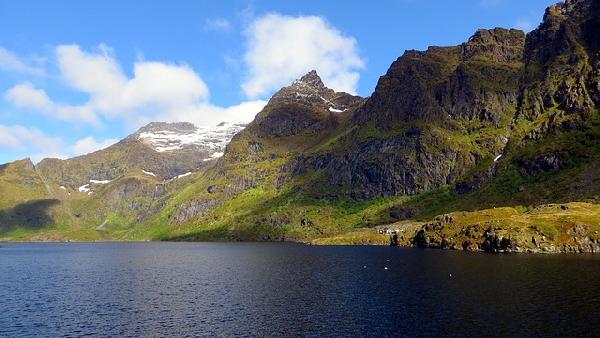
A Comprehensive Travel Guide to the Svolvær & Trollfjord Loop, Norway
Nestled within the dramatic Lofoten archipelago, the journey from Svolvær to the mystical Trollfjord and back is more than a simple trip; it is an immersion into the raw, untamed heart of the Norwegian Sea. This route encapsulates the very essence of Arctic Norway: fishing villages clinging to granite cliffs, serene fjords that slice through mountains, and a light that paints the landscape in unforgettable hues. This guide will navigate you through the experience, providing a detailed, objective account of the attractions, cuisine, transportation, and culture that define this remarkable corner of the world.
Part 1: Svolvær – The Gateway to Lofoten
Svolvær is the unofficial capital of Lofoten, a bustling hub of activity compared to the archipelago’s quieter hamlets. It serves as the perfect base camp for exploring the region, offering a blend of modern amenities and traditional charm. Built across several small islands, its economy and identity are inextricably linked to the sea.
Attractions in and around Svolvær
The Svolværgeita (The Svolvær Goat): This iconic, two-pronged mountain peak is the town’s most famous landmark. For avid hikers and climbers, the challenge is to traverse between the two “horns,” a thrilling and exposed maneuver known as the “Goat’s Leap.” The hike to the base of the horns is demanding but rewards you with breathtaking panoramic views of the town, surrounding islands, and Vestfjorden. Even if you don’t summit, seeing the Goat from the harbor is a quintessential Svolvær experience.
The Magic Ice Bar: Housed in a former fish freezing plant, this gallery offers a unique cultural experience. Everything inside – from the glasses you drink from to the sculptures themselves – is made of crystal-clear ice. The sculptures depict scenes from Lofoten’s history and folklore, all illuminated by colorful lights. It’s a particularly captivating visit during the warmer months, providing a stark, beautiful contrast to the world outside.
The Lofoten War Museum: This meticulously curated private museum offers a profound look into World War II’s impact on this remote region. The collection of artifacts, vehicles, and personal stories is vast and deeply moving, highlighting the fierce battles fought in these northern waters and the experiences of both soldiers and civilians.
The Fishing Harbor: Simply wandering through the active fishing harbor is an attraction in itself. Here, you’ll see everything from small family-owned boats to large commercial trawlers. The air is thick with the salty scent of the sea and drying fish. This is where you can witness the famous stockfish (dried cod) racks, a practice that has sustained Lofoten for over a thousand years.
Kjøpmannsgata Street: The main shopping street in Svolvær is lined with art galleries, boutiques selling high-quality woolen goods (like the famous Lofoten sweaters), and cozy cafes. It’s a pleasant area for a stroll and to soak in the local atmosphere.
Dining in Svolvær
Svolvær’s culinary scene is dominated by the fruits of the sea, offering some of the freshest seafood you will ever taste.
Børsen Spiseri: Located in a historic building that once housed the local fish exchange, this restaurant serves classic Norwegian dishes with a focus on local ingredients. Their fish soup is legendary.
Havet Restaurant & Bar: For a fine-dining experience, Havet is exceptional. Situated at the top of the Svinøya Rorbuer hotel, it offers stunning views alongside a menu that creatively interprets Norwegian coastal cuisine, such as skrei (Arctic cod) and king crab.
Kjøkkenet: The more casual sister restaurant to Havet, located downstairs. It offers high-quality pizzas and burgers in a relaxed, rustic setting, perfect for a family meal.
Local Bakeries: Don’t miss out on trying a kanelbolle (cinnamon bun) or a skillingsbolle from a local bakery – a perfect accompaniment to a coffee while watching the world go by.
Part 2: The Journey to Trollfjord
The journey from Svolvær to Trollfjord is as important as the destination itself. As you leave the shelter of the harbor, you are exposed to the vastness of the Vestfjorden, with the jagged peaks of Lofoten receding behind you.
Transportation Options
Scheduled Wildlife Sea Eagle & Trollfjord Tours: This is the most popular and accessible way to visit the fjord. These daily tours, operated by companies like RIB Lofoten and Go Lofoten, use rigid inflatable boats (RIBs) or larger catamarans.
RIB Boats: A faster, more adrenaline-fueled experience. You’ll be provided with heavy-duty flotation suits to stay warm and dry. The speed allows you to cover more ground and often includes searching for sea eagles and other wildlife.
Larger Vessels (e.g., MS Fjordkraft): A more comfortable and stable option, ideal for those prone to seasickness or preferring a calmer ride. They offer indoor seating, a kiosk, and restrooms.
Both options include expert commentary on the landscape and wildlife.
The Hurtigruten Coastal Ferry: The iconic Norwegian coastal voyage also passes through Trollfjord when its schedule permits. This is a majestic way to see the fjord from the deck of a large ship. However, it does not offer the same intimate, up-close experience or wildlife focus as the dedicated tours.
Private Boat Charter: For the ultimate flexible and private experience, chartering a boat with a local captain is an excellent option. This allows you to set your own pace and itinerary.
The Voyage Experience
As you depart Svolvær, keep your eyes on the water and sky. The Vestfjorden is home to a rich population of sea birds, and with luck, you might spot porpoises or seals. The main attraction during the transit is often the
White-tailed Sea Eagle. These majestic birds, with wingspans exceeding two meters, are commonly seen perched on rocky outcrops or soaring overhead. The boat captains often entice them closer by throwing fish into the water, providing incredible photo opportunities as they swoop down to snatch their prey.
Part 3: Trollfjord – A Portal to Another World
The entrance to Trollfjord is a dramatic and narrow cleft in the mountain range, barely 100 meters wide. As your boat approaches this opening, the scale of the surrounding cliffs becomes overwhelming, creating a sense of anticipation and awe.
The Fjord’s Geography and Atmosphere
Trollfjord is short but incredibly steep. The mountains rise sharply from the dark water to heights of over 1,000 meters. The fjord is only about 2 kilometers long, creating an intimate and enclosed feeling. Due to its narrow entrance and high walls, it is often quieter and calmer than the open sea outside. The acoustics are remarkable; you can hear the cry of an eagle echo off the granite walls and the gentle lapping of water against the cliffs. The play of light and shadow within the fjord changes constantly, making it a photographer’s dream.
The Legend of the Trolls
As the name suggests, Trollfjord is steeped in folklore. It is said that trolls, mythical giants of Norwegian legend, carved out this fjord or used it as their home. Their presence is felt in the strange shapes of the rocks and the general aura of ancient mystery that permeates the place. According to legend, trolls turn to stone if exposed to sunlight, which many say explains the numerous strange rock formations found throughout Norway.
The Battle of Trollfjord (Trollfjordslaget)
Beyond myth, Trollfjord has a real and dramatic history. In 1890, it was the site of a confrontation known as the Battle of Trollfjord. Local fishermen in small rowboats blockaded the narrow entrance to prevent a steam-powered vessel from entering and using a trawl net, which they saw as a threat to their livelihood. They eventually succeeded in forcing the steamship to retreat. This event symbolizes the struggle between old and new fishing methods and the fierce independence of the Lofoten people.
Wildlife Viewing
Inside the fjord, the wildlife experience continues. Sea eagles often nest on the inaccessible ledges high on the cliffs. You may also see colonies of cormorants and shags sunning themselves on rocks. If you are exceptionally lucky, you might spot an otter playing along the shoreline or seals bobbing in the water.
Part 4: Cultural Insights and Practical Travel Tips
The Cultural Heart: The Rorbu and Fishing Heritage
The most recognizable symbol of Lofoten culture is the
rorbu. These are traditional fisherman’s cabins, traditionally painted a distinctive red (“rorbured”) or yellow ochre, built on stilts directly over the water. They were originally basic shelters for visiting fishermen during the winter cod season. Today, many have been converted into comfortable tourist accommodations. Staying in a rorbu is highly recommended for an authentic Lofoten experience.
The entire rhythm of life in Lofoten has been dictated for centuries by the seasonal migration of the Arctic cod (
skrei). From January to April, the region transforms during the fisheries. The stockfish (air-dried cod) produced here is a prized export, particularly to Italy and Portugal. Understanding this deep connection to the sea is key to understanding Lofoten’s culture, economy, and even its architecture.
Practical Travel Tips
Best Time to Visit:
Mid-May to July: For the Midnight Sun. The phenomenon of 24-hour daylight opens up endless possibilities for hiking and sightseeing at any hour. The landscape is lush and green.
September to April: For the Northern Lights (Aurora Borealis). The long, dark nights provide the perfect canvas for this celestial display. Winter also offers a stark, dramatic beauty.
June: A great balance with long days, warmer temperatures, and most services are open.
What to Pack: The weather in Lofoten is notoriously changeable. “There’s no such thing as bad weather, only bad clothing” is a Norwegian mantra you should live by.
Essential: Waterproof and windproof jacket and trousers.
Layering: Thermal base layers, fleece or wool mid-layers.
Footwear: Sturdy, waterproof hiking boots with good grip.
Accessories: Warm hat, gloves, scarf/buff, sunglasses (essential even in winter due to snow glare).
Booking Tours & Accommodation: Especially during peak season (June-August), it is crucial to book your RIB tours, Hurtigruten passage, and rorbu accommodations well in advance. They are immensely popular and can sell out.
Seasickness: The Vestfjorden can be rough. If you are prone to seasickness, consider taking medication beforehand. The larger vessels are more stable than RIBs for those with sensitive stomachs.
Respect for Nature: Follow the Norwegian “Right to Roam” (Allemannsretten) responsibly. You are free to hike anywhere, but must show respect for nature, farmland, and private property. Always take all your trash with you.
Driving: If you are driving yourself between Svolvær and other points in Lofoten (like Henningsvær), be aware that roads can be narrow and winding. Use designated passing spots to allow faster traffic to proceed.
A Sample One-Day Itinerary: Svolvær & Trollfjord Express
Morning (9:00 AM): Start your day with a coffee and pastry from a local Svolvær bakery. Take a walk around the harbor to see the fishing boats and stockfish racks.
Late Morning (11:00 AM): Embark on a 3-4 hour RIB or catamaran tour to Trollfjord. Enjoy the sea eagle safari and the breathtaking entry into the fjord itself.
Afternoon (2:00 PM): Return to Svolvær. Have a late lunch at a harbor-side restaurant like Børsen Spiseri for a warming bowl of fish soup.
Late Afternoon (4:00 PM): Visit either the Magic Ice Bar for a unique artistic experience or the Lofoten War Museum for a dose of powerful history.
Evening (7:00 PM): Enjoy a memorable dinner at Havet Restaurant for a special treat or at Kjøkkenet for a more casual but delicious meal.
Night (10:00 PM onwards in Summer): If visiting during the Midnight Sun season, take an evening stroll along the waterfront in the enchanting golden light. In winter, find a dark spot away from town lights to hunt for the Northern Lights.
Conclusion
The journey from Svolvær to Trollfjord and back is a condensed masterpiece of Norwegian coastal scenery and culture. It connects you with powerful forces—the might of ancient glaciers that carved these fjords, the relentless rhythm of the sea that sustains its people, and the ethereal beauty of its light. From climbing towards the horns of the Svolvær Goat to sitting silently in a boat at the heart of Trollfjord’s majestic stillness, this loop offers an unforgettable tapestry of experiences that will linger long after you have returned home.