A Comprehensive Travel Guide to the Naples, Sorrento, and Amalfi Coast Loop
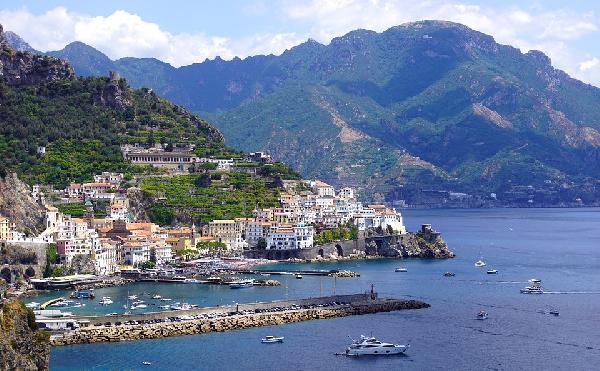
This guide details one of Italy’s most iconic and breathtaking journeys: a loop starting and ending in Naples, winding through the vibrant town of Sorrento, and tracing the stunning Amalfi Coast through the picturesque villages of Positano and Amalfi. This route offers a profound immersion into the soul of Southern Italy, where ancient history, dramatic landscapes, and la dolce vita converge.
Introduction to the Region
The area encompassing Naples, the Sorrentine Peninsula, and the Amalfi Coast is a world of contrasts. Naples is a raw, energetic, and historically rich metropolis, the birthplace of pizza and a treasure trove of Baroque art. Just south, across the bay, the Sorrentine Peninsula offers a more relaxed pace, with the charming hub of Sorrento perched on cliffs overlooking the sea. Further south lies the legendary Amalfi Coast (Costiera Amalfitana), a UNESCO World Heritage site, where pastel-colored villages cling precariously to steep mountainsides that plunge into the azure Tyrrhenian Sea. Traveling this loop provides a complete experience, from urban intensity to coastal serenity.
Naples (Napoli)
Often misunderstood but endlessly fascinating, Naples is a city that demands to be felt as much as seen. It is chaotic, loud, and brimming with an authentic passion for life that is utterly captivating.
Top Attractions in Naples
Naples National Archaeological Museum (Museo Archeologico Nazionale di Napoli): Home to one of the world’s finest collections of Greco-Roman artifacts. The highlights are the exquisite mosaics, frescoes, and artifacts recovered from the ruins of Pompeii and Herculaneum.
Historic Center (Centro Storico): A UNESCO World Heritage site, a labyrinth of narrow streets (vicoli) teeming with life. Key sites include the Naples Cathedral (Duomo), which houses the vial of San Gennaro’s blood, and the Santa Chiara Monastery with its beautiful majolica-tiled cloister.
Underground Naples (Napoli Sotterranea): A fascinating tour through 2,400-year-old Greek aqueducts and Roman theaters hidden beneath the modern city streets.
Royal Palace of Naples (Palazzo Reale) and Piazza del Plebiscito: The grandiose royal palace and the vast, impressive square offer a glimpse into the city’s regal past.
Castel dell’Ovo: The city’s oldest castle, perched on a seafront promontory, offers stunning panoramic views of the Bay of Naples and Mount Vesuvius.
Food & Drink in Naples
Naples is the culinary heart of Southern Italy. This is not a place for delicate, fussy food; it’s a place for robust, flavorful, and historic dishes.
Pizza Margherita: The original and still the best. Seek out a traditional pizzeria (like Sorbillo, Da Michele, or Gino e Toto Sorbillo) for a soft, charred crust with San Marzano tomatoes, fresh mozzarella di bufala, basil, and olive oil.
Street Food: Don’t miss frittatina (a fried pasta ball), cuoppo (a paper cone filled with fried seafood or vegetables), and sfogliatella (a shell-shaped pastry filled with sweet ricotta).
Pasta: Try Spaghetti alle Vongole (with clams) or Ragù Napoletano, a rich, slow-cooked meat sauce.
Coffee: Embrace the local custom of drinking a quick, strong, and cheap espresso standing at a bar.
Transportation in & out of Naples
Getting There: Naples International Airport (NAP) is the main gateway. The Alibus shuttle connects the airport to the central train station (Napoli Centrale). High-speed trains from Rome take about 1 hour.
Getting Around: The city has a comprehensive metro, funicular, and bus network. For the historic center, walking is the best (and often only) way.
Leaving for Sorrento: The Circumvesuviana train is the most common and economical way. It departs from Napoli Garibaldi station (beneath Napoli Centrale) and takes about 70 minutes. Alternatively, ferries from Molo Beverello port offer a scenic route across the bay.
Accommodation Tips for Naples
Stay in the
Historic Center to be amidst the action and close to major sights. The Chiaia area is more upscale and shopping-oriented, while the Vomero hill offers panoramic views and is accessible by funicular.
Sorrento
Sorrento serves as the perfect, more tranquil base camp for exploring the region. Perched on cliffs overlooking the sea, it’s a elegant town known for its limoncello, charming old center, and stunning views of Mount Vesuvius.
Top Attractions in Sorrento
Piazza Tasso: The bustling main square, perfect for people-watching and enjoying a gelato.
Corso Italia: The main shopping street running through the town center.
The Old Town (Centro Storico): A maze of narrow lanes filled with artisan shops selling leather goods, ceramics, and limoncello.
Marina Grande: A picturesque fishing village tucked below the main town, filled with excellent seafood restaurants.
Villa Comunale: A beautiful public park offering some of the best views of the bay and Mount Vesuvius.
Day Trips: Sorrento is the ideal launch point for visiting the ancient ruins of Pompeii and Herculaneum, accessible via the Circumvesuviana train, or the stunning island of Capri, accessible by frequent ferries.
Food & Drink in Sorrento
Limoncello: The quintessential Sorrento liqueur made from local Femminello St. Teresa lemons. Visit a factory for a tasting.
Gnocchi alla Sorrentina: Potato gnocchi baked with tomato sauce, mozzarella, and basil.
Seafood: Fresh fish is a staple. Head to Marina Grande for the best experience.
Provolone del Monaco: A protected DOP cheese from the area.
Transportation in & out of Sorrento
Getting There: Arrive from Naples via the Circumvesuviana train or ferry.
Getting Around: Sorrento’s center is very walkable. Buses connect the town center with outlying hotels and beaches.
Leaving for Positano/Amalfi: The primary mode of transport is the SITA Sud bus. The journey to Positano is famously scenic but can be crowded and winding. The alternative is to take a ferry, which is more expensive but offers breathtaking views from the water and is often faster during peak traffic.
Accommodation Tips for Sorrento
Sorrento offers a wide range of accommodations, from luxury hotels with cliffside pools to family-run B&Bs. Staying within walking distance of the historic center is highly recommended for convenience.
The Amalfi Coast: Positano & Amalfi
The Amalfi Drive (SS163) is one of the world’s most celebrated roads, winding along the coast with dramatic vistas at every turn. The two most famous villages are Positano and Amalfi.
Positano
A vertical town cascading down the mountain to a small beach, Positano is the postcard image of the Amalfi Coast.
Spiaggia Grande: The main beach, a vibrant stretch of pebbles lined with colorful umbrellas and restaurants.
Path of the Gods (Sentiero degli Dei): For the active traveler, this world-renowned hiking trail starts in Bomerano (above Positano) and offers unparalleled coastal views.
The Church of Santa Maria Assunta: Famous for its majolica-tiled dome and the 13th-century Byzantine icon “Black Madonna.”
Shopping: Positano is known for its high-end boutiques, linen clothing, and handmade sandals.
Amalfi
Once a powerful maritime republic rivaling Genoa and Pisa, Amalfi has a grander, more historic feel than its neighbor.
Amalfi Cathedral (Duomo di Sant’Andrea): The stunning centerpiece of the town, with its striking Arab-Norman facade and grand staircase.
The Cloister of Paradise (Chiostro del Paradiso): An elegant 13th-century cloister adjacent to the cathedral with beautiful white Moorish-style arches.
The Arsenal of the Maritime Republic: The remains of the old shipyards that built Amalfi’s powerful fleet.
Valley of the Mills (Valle dei Mulini): A fascinating hike inland to see the abandoned ruins of old paper mills, for which Amalfi was once famous.
Food & Drink on the Amalfi Coast
Scialatielli:A short, thick fresh pasta typical of the coast, often served with seafood.
Delizia al Limone:A dome-shaped sponge cake soaked in limoncello and filled with lemon cream.
Fresh Anchovies (Alici): Often served marinated (alici marinate).
Arancini/Zeppole:Savoury rice balls and sweet fried dough pastries found in bakeries.
Transportation on the Amalfi Coast
SITA Sud Bus:The workhorse of coastal travel. It runs frequently between Sorrento, Positano, Amalfi, and Salerno. Buy tickets before boarding at tobacco shops (tabacchi) or newsstands.
Ferry:The most pleasant way to travel. It avoids traffic jams and offers spectacular views. Services connect all major towns from Sorrento to Salerno from April to October.
Driving:Not recommended for most visitors during peak season. The roads are narrow, parking is extremely expensive and scarce, and traffic can be gridlocked.
Accommodation Tips for Positano & Amalfi
Accommodation on the Amalfi Coast is generally expensive. In Positano, be prepared for many stairs; hotels often offer porter service for luggage. In Amalfi, staying near the Duomo puts you in the heart of the action. Booking well in advance is crucial.
The Return to Naples
The loop can be completed by taking a SITA Sud bus from Amalfi to Salerno (approx. 75 minutes) and then catching a high-speed train from Salerno station back to Napoli Centrale (approx. 30-40 minutes). This route avoids backtracking along the coast and through Sorrento.
Crucial Practical Information & Cultural Insights
When to Visit
Shoulder Seasons (April-May, September-October):The ideal time. The weather is pleasant, crowds are thinner, and prices are more moderate.
Peak Season (June-August):Crowded, hot, and expensive. Book everything far in advance.
Off-Season (November-March):Many hotels and restaurants close, ferry services are limited, but you’ll have the towns almost to yourself.
Budgeting & Money
The Amalfi Coast is one of Italy’s most expensive destinations. Naples and Sorrento offer more budget-friendly options. Cash is still king in smaller shops, trattorias, and for bus tickets.
Cultural Etiquette & Local Customs
“Il Dolce Far Niente”:The sweetness of doing nothing. Embrace a slower pace. Savor your coffee, linger over a meal, and enjoy the view.
Dress Code:Cover shoulders and knees when entering churches. This is respectfully enforced.
Aperitivo:A pre-dinner drink (often around 6-8 PM) that sometimes comes with complimentary snacks. A key Italian ritual.
The Passeggiata:The evening stroll where locals dress up and walk through the main streets. Join in for a truly local experience.
A Note on Naples:The city has a reputation for pickpocketing in crowded areas like trains and markets. Be vigilant with your belongings as you would in any major city, but don’t let fear overshadow your experience.