A Comprehensive Travel Guide to the Antarctic Expedition: Ushuaia, Drake Passage, Antarctic Peninsula & South Shetland Islands
Embarking on a voyage from the southernmost city in the world to the pristine wilderness of Antarctica is a journey like no other. This expedition traverses the legendary Drake Passage, explores the dramatic landscapes of the Antarctic Peninsula, and discovers the volcanic archipelago of the South Shetland Islands. It is a trip defined by raw nature, profound solitude, and awe-inspiring wildlife encounters.
Part 1: Ushuaia – The End of the World
Nestled between the snow-capped peaks of the Andes and the Beagle Channel, Ushuaia, Argentina, bills itself as “
El Fin del Mundo“—the End of the World. This vibrant city is the primary gateway for Antarctic expeditions and a destination worth exploring for a day or two before your voyage.
Attractions & Activities
Tierra del Fuego National Park: A stunning reserve at the continent’s tip, offering serene walks through sub-Antarctic forests, peat bogs, and along rugged coastlines. The park is crisscrossed with well-marked trails like the Senda Costera (Coastal Path), providing breathtaking views of the Beagle Channel.
Beagle Channel Boat Tour: A essential excursion to see Ushuaia from the water. You’ll sail past sea lion colonies, observe countless seabirds, and visit the iconic Les Eclaireurs Lighthouse, often mistakenly called “The Lighthouse at the End of the World.”
Martial Glacier: For a panoramic view of Ushuaia and the channel, take a chairlift or hike up to the Martial Glacier. The vista is particularly spectacular at sunset.
Museo Marítimo y del Presidio de Ushuaia: Housed in the city’s former prison, this museum offers a fascinating, if somber, look into the region’s history, including its time as a penal colony and its maritime heritage.
Food & Drink
Ushuaia’s culinary scene is dominated by the bounty of the sea.
Centolla: The star of the show is the Patagonian king crab, often served simply steamed or in a rich risotto. It’s a must-try delicacy.
Lamb Patagonian Style: Whole lambs are slow-roasted over an open fire, a traditional preparation known as “cordero al asador.”
Craft Beer: The city has a burgeoning craft beer scene, with several local breweries creating beers perfect for the cold climate. Look for beers from Cervecería Beagle.
Practical Tips for Ushuaia
Acclimatize: Arrive at least one full day before your ship’s departure to account for any potential flight delays.
Currency: Argentine Pesos (ARS) are the local currency. While credit cards are widely accepted, it’s wise to have some cash for smaller shops and taxis.
Weather: Even in the summer (November-March), the weather is highly changeable. Dress in layers—a waterproof and windproof jacket is essential.
Souvenirs: Avenida San Martín is the main shopping street, perfect for picking up last-minute cold-weather gear or souvenirs.
Part 2: The Drake Passage – The Legendary Crossing
The two-day voyage across the Drake Passage is a rite of passage for any Antarctic traveler. This body of water, where the Atlantic, Pacific, and Southern Oceans converge, is infamous for its potentially rough seas, but it can also be surprisingly calm, referred to as the “Drake Lake.”
The Experience
The crossing is not merely a transit; it’s an integral part of the expedition. This is a time for preparation, education, and anticipation.
Seabird Spectacle: The ship will be accompanied by an entourage of majestic albatrosses (Wandering, Black-browed), giant petrels, and cape petrels, effortlessly gliding on the air currents alongside the vessel.
IAATO Briefings: The expedition team will hold mandatory briefings on the guidelines set by the International Association of Antarctica Tour Operators (IAATO). These cover biosecurity (cleaning your gear to prevent introducing invasive species), wildlife watching etiquette (maintaining a 5-meter distance from penguins and seals), and preserving the pristine environment.
Scientific Lectures: Experts on board deliver engaging talks on topics like polar history, glaciology, marine biology, and ornithology, building your knowledge and excitement for the continent ahead.
Finding Your Sea Legs: If you are prone to seasickness, come prepared with medication, patches, or acupressure bands. The ship’s doctor also typically has supplies. Staying hydrated, eating light meals, and focusing on the horizon can help.
Part 3: The Antarctic Peninsula & South Shetland Islands – The White Continent
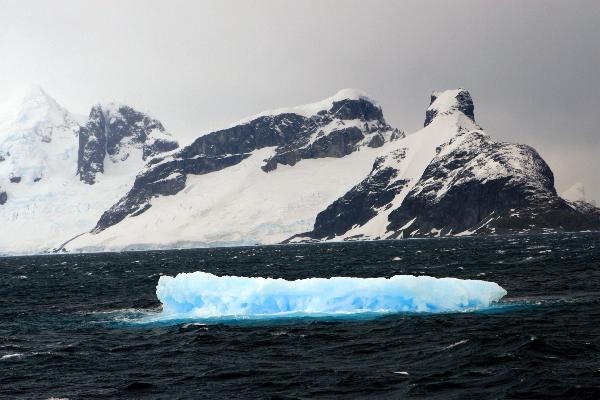
The first sight of Antarctica is unforgettable. Jagged, snow-covered peaks rise from the mist, icebergs of surreal blue float silently by, and the air is crisp and clean. Your itinerary will be flexible, dictated by weather and ice conditions, but each day will be packed with multiple landings and Zodiac cruises.
Key Attractions and Landing Sites
South Shetland Islands
Deception Island: A volcanic caldera that you actually sail into through a narrow passage called Neptune’s Bellows. Inside, you can visit a black-sand beach with the remains of an old whaling station and an abandoned British base. The unique thrill is the chance to take a “polar plunge” in the volcanically heated waters.
Half Moon Island: A scenic island home to a large colony of chinstrap penguins, often with opportunistic fur seals lounging on the beaches. It also features a striking backdrop of mountainous terrain.
Aitcho Islands: Often one of the first landing sites, these islands provide a fantastic introduction to Antarctic wildlife with gentoo and chinstrap penguin colonies, as well as elephant and fur seals.
Antarctic Peninsula Highlights
Danco Coast & Gerlache Strait: This area is renowned for its stunningly dramatic scenery: sheer cliffs, massive glaciers calving into the sea, and sheltered bays dotted with icebergs. Zodiac cruising here is a highlight.
Neko Harbour / Paradise Bay: These are quintessential Antarctic spots. A landing at Neko Harbour often marks your first step onto the continental mainland itself. Both locations offer spectacular opportunities for kayaking amidst icebergs and watching humpback and minke whales feed.
Lemaire Channel: Dubbed “Kodak Gap” for its photogenic perfection, this narrow channel is flanked by towering peaks and glaciers. Navigating through it, surrounded by silent, majestic beauty, is a profound experience.
Port Lockroy: A historic British base that now operates as a museum and post office. You can learn about early life on the peninsula and send postcards from the southernmost post office in the world.
Petermann Island: Home to a large Adélie penguin colony and offering stunning views of the Penola Strait and the Antarctic Peninsula. It’s a location that showcases the stark beauty of the continent.
Wildlife Encounters
The wildlife is a central part of the Antarctic experience. Remember to always maintain a safe and respectful distance.
Penguins: You will see thousands of them. Common species are Gentoo, Chinstrap, and Adélie. Observe their busy “penguin highways” as they waddle to and from their colonies.
Seals: Look for Weddell seals sleeping peacefully on ice floes, aggressive leopard seals hunting along ice edges, and comical elephant seals wallowing on beaches.
Whales: Humpback and minke whales are frequently seen in the peninsula’s rich feeding grounds. Seeing a whale surface near your Zodiac is a heart-stopping moment.
Seabirds: Beyond albatrosses, you’ll see skuas (which prey on penguin eggs and chicks), Antarctic terns, and snow petrels.
Onboard Life & Cuisine
Life onboard your expedition vessel is comfortable and communal.
Accommodation: Ranges from functional cabins to luxurious suites. You will spend very little time in your room, however, as the observation lounges, bridge, and outer decks are where the action is.
Meals: Meals are typically served in a single seating and are of a high standard. Expect buffet-style breakfasts and lunches, and plated dinners. Chefs cater to a wide range of dietary requirements if notified in advance.
Camaraderie: You’ll share your experiences with fellow travelers from around the world. Evenings often involve recaps of the day’s events, presentations, or socializing in the bar.
Part 4: The Return Journey – Drake Passage & Ushuaia
The journey north across the Drake Passage allows for reflection and integration of the incredible experiences you’ve had. The expedition team often uses this time for final lectures or a screening of a documentary about polar exploration.
Final Evening & Disembarkation
The night before arriving back in Ushuaia is usually marked by a special Captain’s dinner. There is a palpable sense of shared accomplishment and wonder among the passengers. Disembarkation is typically smooth and efficient in the morning. You’ll say farewell to your crew and new friends, carrying with you memories of one of the planet’s last great wildernesses.
Essential Travel Tips & Local Insights
When to Go
Early Season (Nov-Dec): Pristine snowscapes, courting penguins, and vast ice formations.
Peak Season (Dec-Jan): Warmer temperatures (relatively!), 24-hour daylight, peak penguin hatching activity.
Late Season (Feb-Mar): Best time for whale watching, penguin chicks are fledging.
What to Pack
The Ship Provides: Most ships provide a heavy expedition parka and insulated rubber boots for landings.
You Must Bring:
- Base layers (merino wool or synthetic).
- Insulating mid-layers (fleece or down jacket).
- Waterproof and windproof pants (essential for Zodiac rides).
- Warm hat, gloves (waterproof recommended), neck gaiter or buff.
- Sunglasses and high-SPF sunscreen (the ozone hole is real!).
- Seasickness remedies.
- A good quality camera with extra batteries (they drain faster in the cold).
- A waterproof dry bag for your camera gear on Zodiacs.
Choosing Your Voyage & Vessel
Ships are categorized by size under IAATO rules.
Small Ships (under 100 passengers): Offer a more intimate experience, more landings per passenger due to regulations (only 100 people can land at a time), and access to narrower channels.
Larger Ships (over 100 passengers): Often more stable in rough seas and offer more amenities, but have more restricted landing times and may feel less expedition-focused.
The Unwritten Rules: Cultural & Environmental Etiquette
Traveling to Antarctica is a privilege that comes with great responsibility.
“Take only photos, leave only footprints”: This is sacrosanct. Do not remove anything—not a rock, not a bone.
Respect Wildlife: Always give animals the right-of-way. Do not block their access to the sea. Your expedition guides will enforce safe distances.
Listen to Your Guides: Their primary role is your safety and the protection of the environment. Their instructions are not suggestions.
Tread Lightly: Stay on established paths where they exist to avoid damaging fragile moss and lichen communities that take decades to grow.
A journey to Antarctica is more than a vacation; it is a transformative expedition that redefines your understanding of wilderness, scale, and our planet’s fragility. From the bustling port of Ushuaia to the thunderous calving of glaciers and the charming chaos of a penguin colony, it is an adventure that will stay with you for a lifetime.