A Comprehensive Travel Guide to Portugal: Lisbon, Porto, Coimbra & The Environs
This guide details a classic Portuguese itinerary, looping from the vibrant capital of Lisbon, through the university city of Coimbra, to the wine-soaked streets of Porto, and back via the stunning Atlantic coastline and the fairy-tale palaces of Sintra. It is a journey through history, culture, and breathtaking landscapes.
Part 1: Lisbon – The City of Seven Hills
Lisbon, Portugal’s charismatic capital, is a city of steep hills, iconic yellow trams, melancholic Fado music, and a vibrant, modern culture rooted in a deep history. Perched on the edge of the Tagus River, it offers a blend of traditional charm and contemporary energy.
Key Attractions in Lisbon
Alfama District: The oldest quarter of Lisbon, a maze of narrow, winding streets, small squares, and hidden courtyards. It’s the historic heart of Fado music. Getting lost here is a quintessential Lisbon experience.
Castelo de São Jorge: The Moorish castle overlooking the city offers the most spectacular panoramic views of Lisbon and the Tagus River. The grounds are home to peacocks and archaeological sites.
Belém Tower (Torre de Belém): A UNESCO World Heritage site and an iconic symbol of Portugal’s Age of Discoveries. This fortified tower sits elegantly on the banks of the Tagus.
Jerónimos Monastery (Mosteiro dos Jerónimos): Another UNESCO site in Belém, this is a masterpiece of Manueline architecture, an ornate Portuguese late-Gothic style. The cloisters are particularly breathtaking.
Praça do Comércio: One of Europe’s largest and most impressive squares, opening onto the river. It’s surrounded by grand yellow Pombaline-style buildings and is a central hub for city life.
Ride Tram 28: The famous yellow tram route that winds through the city’s most historic neighborhoods, including Graça, Alfama, and Baixa. It’s both a tourist attraction and a functional mode of transport.
LX Factory: A revitalized industrial complex under the 25 de Abril Bridge, now a trendy hub for creative businesses, unique shops, art galleries, restaurants, and bars.
Lisbon Food & Drink
Pastéis de Belém: The original and most famous custard tarts, a secret recipe since 1837. Best enjoyed warm with a sprinkle of cinnamon and powdered sugar at the Antiga Confeitaria de Belém.
Bacalhau: Salted cod, prepared in hundreds of ways. Try Bacalhau à Brás (shredded cod with onions, potatoes, and eggs).
Sardinhas Assadas: Grilled sardines, especially popular during the June festivals.
Ginjinha: A sweet cherry liqueur, often served in a small chocolate cup. A shot at a tiny Ginjinha bar is a must.
Transportation in & out of Lisbon
Lisbon’s Humberto Delgado Airport (LIS) is the main international gateway. The city center is easily accessible via metro or taxi. For this itinerary, the train is the most efficient way to travel north. The Santa Apolónia or Oriente stations offer frequent and comfortable services to Coimbra and Porto.
Accommodation Tips for Lisbon
For first-time visitors, central neighborhoods like Baixa (flat and central), Chiado (elegant shopping), or Alfama (historic and charming) are ideal. For a more local and trendy vibe, consider Príncipe Real or Santos. Bairro Alto is great for nightlife but can be noisy at night.
Part 2: Porto – The Invincible City
A journey north by train (approx. 3 hours) brings you to Porto, a city built into the hills overlooking the Douro River. More rugged and romantic than Lisbon, Porto is famous for its port wine, stunning bridges, and its historic Ribeira district, a UNESCO World Heritage site.
Key Attractions in Porto
Ribeira District: A picturesque warren of medieval alleys, colorful houses, and traditional restaurants lining the riverbank. The view from across the river in Vila Nova de Gaia is iconic.
Livraria Lello: Often cited as one of the most beautiful bookstores in the world, its stunning neo-Gothic interior and famous red staircase are said to have inspired J.K. Rowling.
Clérigos Tower: The symbol of Porto. Climbing its 240 steps rewards you with a 360-degree view of the entire city.
Port Wine Cellars (Caves): Cross the Dom Luís I Bridge to Vila Nova de Gaia to tour the famous port wine lodges (like Taylor’s, Sandeman, or Graham’s) for tastings and to learn about the production process.
Palácio da Bolsa: The 19th-century Stock Exchange Palace is renowned for its breathtaking Arabian Hall, a masterpiece of Moorish Revival architecture.
Dom Luís I Bridge: An iron double-decker bridge designed by a student of Gustave Eiffel. Walk across the upper level for incredible views.
Serralves Museum: A contemporary art museum set within beautiful parklands, offering a contrast to the city’s historic core.
Porto Food & Drink
Francesinha: Porto’s legendary “little Frenchie” sandwich—layers of bread, cured ham, linguiça, fresh sausage, steak, and cheese, covered in a hot tomato-beer sauce and often served with fries.
Tripas à Moda do Porto: A traditional tripe stew that gives Portuenses their nickname “Tripeiros.”
Bacalhau: Also popular here, often prepared as Bacalhau à Gomes de Sá (a casserole with cod, potatoes, onions, and eggs).
Porto Tónico: A refreshing cocktail of white port and tonic water, garnished with lemon or orange peel and mint.
Transportation in & out of Porto
The high-speed train from Lisbon arrives at Campanhã Station; a local connection or metro takes you to the central São Bento Station, famous for its azulejo tile panels. Francisco Sá Carneiro Airport (OPO) serves the north. Within Porto, walking is the best way to explore the hilly center, supplemented by metro, buses, and trams.
Accommodation Tips for Porto
The Ribeira district offers charm and proximity to major sights but can be busy. For a quieter stay with great views, consider Vila Nova de Gaia. The Cedofeita area is trendy and artsy, while Miragaia offers a more authentic local feel.
Part 3: Coimbra – The City of Students
On the journey between Lisbon and Porto (approx. 1-2 hours by train), a stop in Coimbra is essential. Home to one of the world’s oldest universities, the city’s identity is deeply intertwined with its student population and their unique traditions.
Key Attractions in Coimbra
University of Coimbra – Alta and Sofia: A UNESCO World Heritage site. Highlights include the Baroque Joanina Library (a stunningly ornate library), the Capela de São Miguel, and the Paço das Escolas square with its panoramic view.
Sé Velha (Old Cathedral): A formidable Romanesque cathedral that reflects Coimbra’s early importance as Portugal’s capital.
Portugal dos Pequenitos: A theme park featuring miniature versions of Portugal’s iconic monuments, popular with families.
Santa Clara-a-Velha Monastery: The ruins of a Gothic monastery that was repeatedly flooded by the Mondego River, offering a poignant glimpse into the past.
Botanical Garden: A serene and beautiful escape from the city bustle, with a wide variety of plants and tranquil walkways.
Coimbra Food & Cultural Insights
Fado de Coimbra: Distinct from Lisbon’s Fado, this style is traditionally sung by male university students, often in formal academic attire (capa e batina), and is more lyrical and romantic.
Chanfana: A rich and flavorful goat or lamb stew cooked slowly in red wine.
Leitão da Bairrada: Suckling pig from the Bairrada region, known for its crispy skin and tender meat.
Queijo da Serra: A creamy, strong-flavored sheep’s milk cheese from the nearby Serra da Estrela mountains.
Part 4: The Atlantic Coast Loop – Sintra, Cascais, Boca do Inferno & Cabo da Roca
Returning to Lisbon from Porto (by train), this loop is best explored by renting a car for a day or two from Lisbon. It showcases the dramatic and romantic landscape west of the capital.
Sintra – A Fairy-Tale Escape
A UNESCO World Heritage landscape, Sintra is a magical town nestled in the pine-covered hills of the Serra de Sintra, dotted with extravagant palaces and mansions.
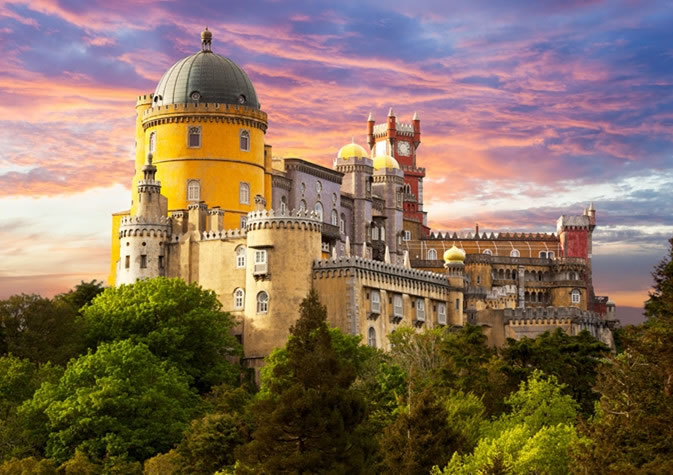
Pena Palace (Palácio da Pena): The crown jewel of Sintra, a wildly Romanticist palace perched atop a hill. Its vibrant yellow and red colors and mix of architectural styles make it look like something from a storybook.
Moorish Castle (Castelo dos Mouros):The ruins of an 8th-century castle offering dramatic views over Sintra and the Atlantic Ocean from its long, winding walls.
Quinta da Regaleira:A mysterious estate with a romantic palace, lush gardens, grottoes, and initiation wells linked to Templar and Masonic symbolism.
Monserrate Palace:A stunning palace with a blend of Moorish, Gothic, and Indian architectural influences, set within magnificent botanical gardens.
Cascais & Boca do Inferno
A short drive from Sintra towards the coast lies Cascais, a once-quiet fishing village turned elegant seaside resort town.
Cascais Town Center:A charming area with pedestrianized streets, boutique shops, seafood restaurants, and a pleasant marina.
Cidadela de Cascais:A 16th-century fortress complex now housing a luxury hotel and art space.
Boca do Inferno (Mouth of Hell):A short distance from Cascais center, this is a cliff formation where sea water violently crashes into a chasm, creating a spectacular natural show, especially during rough weather.
Cascais Beaches:The town offers several pleasant sandy beaches like Praia da Rainha and Praia da Conceição.
Cabo da Roca – The Edge of Europe
A dramatic headland just west of Sintra, Cabo da Roca holds the symbolic title of being the westernmost point of mainland Europe.
The Monument:A stone cross and plaque marking the location with the coordinates and the famous quote by Portuguese poet Luís de Camões: “Aqui…Onde a terra se acaba e o mar começa” (“Here…Where the land ends and the sea begins”).
The Landscape:Towering cliffs dropping over 100 meters into the roaring Atlantic Ocean. The sheer power of nature is palpable here. The views at sunset are particularly breathtaking.
The Lighthouse:The Cabo da Roca lighthouse is one of the oldest still in operation in Portugal.
Transportation for the Atlantic Loop
A rental car provides the most flexibility for exploring these sites at your own pace. Alternatively, from Lisbon, you can take a train to Sintra (from Rossio Station) and another train line to Cascais. Buses connect Sintra to Cabo da Roca. Organized day tours from Lisbon are also a popular option.
Culinary Journey Across Portugal
The Portuguese table is a celebration of fresh ingredients from the sea and land. Beyond the specific dishes mentioned for each city, look for these nationwide staples:
Cataplana:A seafood stew cooked in a distinctive clam-shaped copper pot.
Cozido à Portuguesa:A hearty meat and vegetable stew.
Sopa da Pedra:A rich “stone soup” from the Ribatejo region with beans and various meats.
Sardinhas Assadas:The quintessential grilled sardines.
Ameijoas à Bulhão Pato:Clams in a savory sauce of olive oil, garlic, coriander, and white wine.
Açorda:A bread-based soup often with seafood or garlic (Açorda Alentejana) as its base.