A Comprehensive Travel Guide to Oslo, Norway
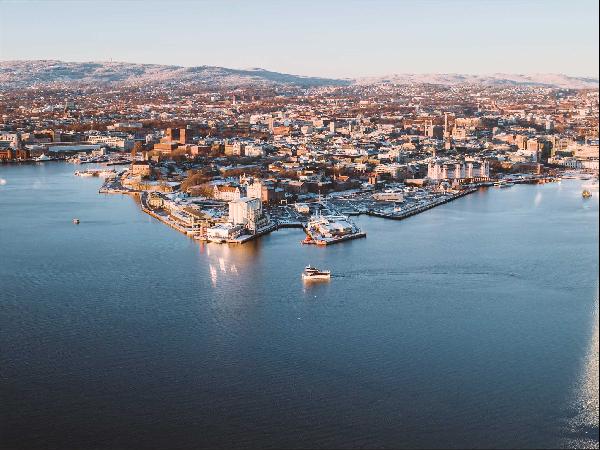
Oslo, the capital of Norway, is a city where urban life and nature exist in a remarkable and seamless harmony. Framed by the Oslofjord and vast forests, it is a city that offers a unique blend of vibrant city culture, world-class museums, and immediate access to the great outdoors. Unlike many European capitals, Oslo feels spacious, modern, and thoughtfully designed, with a deep respect for its history and environment. A journey here is an exploration of Viking spirit, artistic genius, and a contemporary Scandinavian way of life.
Getting to Oslo and Around
Oslo is well-connected internationally and is surprisingly easy to navigate once you arrive.
Arriving in Oslo
By Air: Oslo Airport (OSL) at Gardermoen is the main international gateway, located about 50 km north of the city center. The most efficient way to get downtown is the Flytoget Airport Express Train, which takes about 20 minutes. Alternatively, the Vy (Norwegian Railways) regional trains follow the same route at a lower cost but take slightly longer. Airport buses and taxis are also available.
By Sea: Oslo is a popular stop for cruise ships, which dock at terminals near the Akershus Fortress, putting you right in the heart of the city.
By Land: Excellent train and bus services connect Oslo to other major Scandinavian cities like Stockholm, Gothenburg, and Copenhagen.
Public Transportation Within Oslo
Oslo’s public transport system (Ruter) is efficient, clean, and reliable. It includes buses, trams, metro (T-bane), trains, and ferries.
Ruter App and Tickets: The easiest way to get around is to download the official “RuterBillett” app to purchase tickets on your phone. You can also buy tickets from 7-Eleven, Narvesen kiosks, or ticket machines at stations. A single ticket is valid for all transport modes for 60 minutes after validation.
Oslo Pass: For tourists, the Oslo Pass is highly recommended. It provides free travel on all public transport, free entry to over 30 museums and attractions, and discounts on tours, restaurants, and shopping.
On Foot and By Bike: The city center is very walkable. For longer distances, consider Oslo’s city bike scheme (Oslo Bysykkel) with numerous docking stations around the city.
Top Attractions and Must-See Sights
The Bygdøy Peninsula: Museum Haven
Accessible by a pleasant ferry ride from City Hall Pier 3, Bygdøy is a leafy peninsula that houses several of Oslo’s most important museums.
The Viking Ship Museum (Vikingskipshuset): Home to three incredibly preserved Viking ships from the 9th century, including the magnificent Oseberg ship. The artifacts found within the burial mounds provide a fascinating glimpse into Viking Age craftsmanship and culture. (Note: The museum is currently closed for renovation until 2026/2027 as part of the new Museum of the Viking Age. The ships will be moved to a new, larger building in the city center.)
The Fram Museum (Frammuseet): This museum showcases the polar ship Fram, the strongest wooden ship ever built. You can board the ship and explore its interiors, learning about Norwegian polar expeditions to the North and South Poles led by legends like Fridtjof Nansen and Roald Amundsen.
The Kon-Tiki Museum (Kon-Tiki Museet): Located next to the Fram Museum, this is dedicated to the explorer Thor Heyerdahl and his epic transoceanic voyages on the balsawood raft Kon-Tiki and the reed boat Ra II.
The Norwegian Museum of Cultural History (Norsk Folkemuseum): A vast open-air museum with over 150 historical buildings from all over Norway, including a stunning stave church from 1200 AD. It offers a comprehensive look at Norwegian life from the Middle Ages to the 20th century.
The Vigeland Park (Frogner Park)
This is one of Norway’s most visited attractions and is completely free to enter. It is the life’s work of sculptor Gustav Vigeland, who designed the park and created all its sculptures. The park features over 200 bronze and granite sculptures, all depicting the human experience—from birth to death. The centerpiece is the Monolith, a towering column intricately carved with 121 intertwined human figures, representing the struggle for spiritual ascension.
The Opera House (Operahuset)
A masterpiece of modern architecture, the Oslo Opera House appears as a glacier or ice floe rising from the fjord. Its sloping marble roof is designed for visitors to walk on, offering panoramic views of the city and the harbor. Even if you don’t see a performance, walking on its roof is an essential Oslo experience.
Akershus Fortress (Akershus Festning)
This medieval castle and fortress, built in the late 13th century to protect Oslo, looms over the harbor. You can explore the castle grounds for free, walk along the ramparts for excellent views, or take a guided tour of the interior. The grounds are a popular spot for picnics and leisurely walks.
The National Museum (Nasjonalmuseet)
Newly opened in 2022, this is the largest art museum in the Nordic countries. It brings together collections from several former museums. Its crown jewel is Edvard Munch’s iconic painting,
The Scream, displayed in its own dedicated gallery. The museum offers a comprehensive journey through Norwegian and international art, craft, and design.
The Munch Museum (Munchmuseet)
Dedicated solely to the life and work of Norway’s most famous artist, Edvard Munch, this new museum in the Bjørvika district is an architectural landmark itself. It houses over 26,000 of his works, including another version of
The Scream. The collection rotates regularly, offering a deep dive into his artistic evolution.
A Walk Along Karl Johans Gate
This is Oslo’s main thoroughfare, stretching from Oslo Central Station to the Royal Palace. Lined with shops, cafes, hotels, and street performers, it’s the bustling heart of the city. At its end, you can watch the changing of the guard at the Royal Palace (Slottet) at 1:30 PM.
Oslo’s Food Scene: From Traditional Fare to New Nordic Cuisine
Norwegian cuisine is deeply connected to its land and sea. Oslo’s food scene has exploded in recent years, with a focus on local, seasonal, and sustainable ingredients.
Traditional Norwegian Dishes to Try
Gravlaks: The quintessential Norwegian dish – thinly sliced salmon cured with salt, sugar, and dill. Typically served with mustard sauce, boiled potatoes, and a salad.
Kjøttkaker: Norwegian meatballs, usually larger and flatter than their Swedish counterparts. Served with creamy brown gravy, stewed peas, boiled potatoes, and lingonberry jam.
Rakfisk: A traditional dish for the adventurous eater – fermented trout, known for its strong smell and unique flavor. Often eaten on flatbrød (crispbread) with sour cream, raw onion, and mustard.
Brunost: The famous brown cheese. It’s a sweet, caramelized whey cheese with a fudgy texture. Try it thinly sliced on toast or waffles.
Where to Eat
Mathallen Oslo: A vibrant indoor food hall in the Vulkan area with over 30 specialty shops, cafes, and eateries. It’s the perfect place to sample a wide variety of Norwegian and international foods.
Fiskeriet: Located in Mathallen, this is a great spot for high-quality fish and chips or a classic fish soup.
Vippa: An alternative food hall located in a converted warehouse on the waterfront. It has a more casual, international street food vibe with a focus on sustainability.
Fine Dining: Oslo boasts several Michelin-starred restaurants like Maaemo (three stars) and Kontrast (one star), offering innovative New Nordic tasting menus.
Café Culture: Norwegians are among the world’s top coffee consumers. Enjoy a “kaffepause” (coffee break) at one of Oslo’s many excellent coffee shops, often accompanied by a kanelbolle (cinnamon bun).
Cultural Insights and Local Life
“Friluftsliv” – The Love of Outdoor Life
This concept is central to Norwegian identity. It translates to “free air life” and describes a deep-seated passion for being outdoors in nature, regardless of the weather. In Oslo, this means that the city’s vast surrounding forests (Marka) and the Oslofjord are integral parts of daily life. You will see locals commuting to work on cross-country skis in winter and taking the T-bane to go hiking or swimming in summer.
“Koselig” – The Norwegian Version of Hygge
Similar to the Danish concept of hygge,
koselig is about coziness, warmth, and togetherness. It’s lighting candles on a dark winter afternoon, sharing a warm drink with friends, or wrapping up in a blanket. Embrace this by visiting a cozy café or enjoying a quiet moment by the fjord.
A Modern and Progressive Society
Oslo is known for its focus on sustainability, equality, and high quality of life. You’ll see electric cars everywhere, extensive bike lanes, and a general sense of civic order and trust. English is widely spoken fluently by almost everyone, making communication easy for visitors.
Practical Travel Tips and Local Insights
The Best Time to Visit:
Summer (June-August): The most popular time with long days (up to 19 hours of daylight in June), pleasant weather, and numerous outdoor festivals. It’s also the most crowded and expensive.
Spring (May) & Autumn (September): Shoulder seasons with milder weather, fewer crowds, and beautiful spring blossoms or autumn colors.
Winter (December-March): A magical time for winter sports. Days are short, but the city is festive with Christmas markets (in December) and opportunities for skiing under city lights.
Money Matters: Norway is not part of the EU but is part of the Schengen Area. The currency is the Norwegian Krone (NOK). Credit and debit cards are accepted almost everywhere—even for small purchases and public transport. It is largely a cashless society.
Tipping: Tipping is not mandatory as service charges are included in bills. However, it is common to round up the bill in restaurants or leave a 5-10% tip for excellent service. For taxi drivers, rounding up is standard.
What to Pack: Regardless of the season, pack layers. The weather can change quickly. A waterproof and windproof jacket is essential. In winter, thermal layers, a warm coat, hat, gloves, and sturdy waterproof boots are a must. Don’t forget comfortable walking shoes.
Shopping: Look for traditional Norwegian crafts like knitwear (lusekofte sweaters), wooden items (tiner), and silver jewelry. Major shopping streets are Karl Johans Gate and Bogstadveien. Remember that Norway has a high VAT (25%); non-EU residents can claim a tax refund on purchases over 315 NOK from participating stores.
A Local’s Tip: Use the T-bane to escape the city. Line 1 (Frognerseteren) takes you right to the edge of the forest. Get off at Holmenkollen station to see the famous ski jump and enjoy stunning city views, or go to Sognsvann station for a beautiful lake perfect for a walk or run.
A Sample One-Day Itinerary
Morning: Start your day with a walk on the roof of the Opera House for spectacular harbor views. Then, stroll down Karl Johans Gate towards the Royal Palace.
Mid-day: Take the ferry from City Hall Pier 3 to Bygdøy. Choose two museums—perhaps the Fram and Kon-Tiki museums for adventure lovers.
Lunch: Head back to Mathallen Oslo for a diverse and delicious lunch from one of its many vendors.
Afternoon: Spend a few hours wandering through the incredible Vigeland Park.
Evening: Enjoy a traditional Norwegian dinner at a classic restaurant like Engebret Café, followed by a relaxing walk around Aker Brygge wharf.
A Sample Three-Day Itinerary
Day 1: City Center & Culture. Opera House walk, Akershus Fortress, lunch at Vippa or Aker Brygge, afternoon at either the National Museum or the Munch Museum.
Day 2: History & Sculpture. Ferry to Bygdøy for the Norwegian Folk Museum and Fram Museum. Afternoon at Vigeland Park.
Day 3: Local Life & Nature. Take the T-bane to Holmenkollen to see the ski jump museum and viewpoint. Spend the afternoon hiking in Nordmarka forest or relaxing by Sognsvann Lake.
A trip to Oslo offers more than just a checklist of sights; it’s an immersion into a culture that values nature, design, history, and a high quality of life. It’s a city that invites you to slow down, breathe in the fresh fjord air, and experience Scandinavian living at its finest.