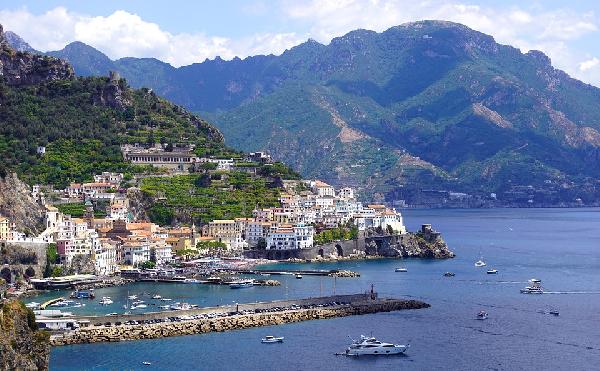
A Comprehensive Travel Guide to Naples, the Amalfi Coast, and Pompeii
This guide explores one of Italy’s most dynamic and historically rich regions, a captivating triangle of experiences encompassing the raw energy of Naples, the breathtaking beauty of the Amalfi Coast, and the frozen-in-time archaeological wonder of Pompeii. A journey through this part of Campania offers an unparalleled blend of art, history, cuisine, and stunning natural landscapes.
Introduction to the Region
The region of Campania in Southern Italy is a land of dramatic contrasts. Its capital, Naples, is a bustling, chaotic, and authentic metropolis, often described as Italy’s last true Italian city. Just a short distance away, the Amalfi Coast presents a world of refined elegance, with pastel-colored villages clinging to vertiginous cliffs above the Tyrrhenian Sea. Meanwhile, lying in the shadow of the still-active Mount Vesuvius, the ruins of Pompeii offer a poignant and humbling glimpse into ancient Roman life, abruptly halted in 79 AD. This itinerary is typically circular, starting and ending in Naples, making it logistically efficient for travelers.
Naples (Napoli)
Naples is a city that demands to be felt rather than just seen. It is intense, loud, and endlessly fascinating, with a vibrant street life and a deep cultural and historical heritage that gave birth to pizza and countless artistic treasures.
Key Attractions in Naples
Historic Center (Centro Storico): A UNESCO World Heritage site, a labyrinth of narrow streets (vicoli) teeming with life. Key sights here include the Duomo (Cathedral of Santa Maria Assunta), home to the blood of San Gennar, the city’s patron saint, and the Chapel of San Severo (Cappella Sansevero), which houses the breathtakingly detailed sculpture “Veiled Christ.”
National Archaeological Museum (Museo Archeologico Nazionale di Napoli – MANN): An essential visit, especially before going to Pompeii. It holds an unparalleled collection of Roman antiquities, including magnificent mosaics, frescoes, and artifacts excavated from Pompeii and Herculaneum.
Royal Palace (Palazzo Reale) and Piazza del Plebiscito: This vast square is the city’s main public space, flanked by the Royal Palace and the basilica of San Francesco di Paola. The palace offers a glimpse into the opulent lives of the former rulers.
Castel dell’Ovo: The oldest standing fortification in Naples, located on the seafront in the Borgo Marinari district. It offers panoramic views of the Bay of Naples and Mount Vesuvius.
Underground Naples (Napoli Sotterranea): A network of underground tunnels and caverns dating back to Greek and Roman times, used as aqueducts, burial sites, and bomb shelters during WWII.
Naples Food & Drink
Naples is the culinary heartland of Southern Italy. This is the birthplace of pizza.
Pizza Margherita: The undisputed king. Enjoy it in its birthplace at historic pizzerias like L’Antica Pizzeria da Michele or Sorbillo.
Street Food: Try Cuoppo (a paper cone filled with fried seafood or vegetables), Arancini (fried rice balls), and Pizza a Portafoglio (“wallet pizza,” folded to eat on the go).
Pasta: Sample local pasta dishes like Spaghetti alle Vongole (with clams) and Ragù Napoletano (a rich, slow-cooked meat sauce).
Pastries: Indulge in a Sfogliatella (a shell-shaped pastry filled with sweet ricotta) and Babà (a rum-soaked cake).
Getting Around Naples
Naples has a comprehensive public transport system including metro, funiculars, buses, and trams. The metro system is efficient for connecting key points, while funiculars are essential for climbing the city’s hills. The Circumvesuviana train is the key for day trips to Pompeii, Herculaneum, and Sorrento. Walking is the best way to explore the historic center, but be prepared for chaotic traffic and vigilant about personal belongings.
Accommodation Tips for Naples
Staying in the
Historic Center puts you in the middle of the action, close to major sights and restaurants. The Chiaia area is more upscale and elegant, near the seafront. The Vomero hilltop district offers panoramic views and is accessible by funicular.
The Amalfi Coast (Costiera Amalfitana)
A UNESCO World Heritage site, the Amalfi Coast is a 50-kilometer stretch of coastline renowned for its extraordinary beauty: dramatic cliffs, terraced vineyards, lemon groves, and a string of picturesque towns, each with its own unique character.
Key Towns on the Amalfi Coast
Sorrento: Often considered the gateway to the Amalfi Coast. It’s perched on cliffs overlooking the sea and is famous for its lemon products, charming old town, and more relaxed atmosphere.
Positano: The iconic poster child of the coast. Its vertically stacked pastel-colored houses tumbling down to a small beach are unforgettable. It’s chic, romantic, and bustling with high-end boutiques and restaurants.
Amalfi: The historical maritime powerhouse that gives the coast its name. Don’t miss the stunning Amalfi Cathedral (Duomo di Sant’Andrea) in the central piazza.
Ravello: Situated high in the mountains above Amalfi, Ravello offers tranquility and some of the most spectacular views on the coast. Visit the beautiful gardens of Villa Cimbrone and Villa Rufolo.
Amalfi Coast Food & Drink
Seafood: Extremely fresh. Try Scialatielli ai Frutti di Mare (a local fresh pasta with seafood).
Lemons: The coast’s signature product. Enjoy them in Limoncello (a sweet lemon liqueur), Delizia al Limone (a lemon sponge cake dessert), and even as a garnish for seafood.
Ndunderi: A traditional ricotta-based pasta similar to gnocchi, originally from Minori.
Getting Around the Amalfi Coast
The most scenic and popular way to travel between towns is by
ferry, offering stunning coastal views from the water. The SITA Sud buses run along the main coastal road (SS163), but can be crowded and slow during peak season. For flexibility, renting a car or scooter is an option, but driving is challenging due to narrow, winding roads and limited parking. Private drivers are a comfortable but expensive alternative.
Accommodation Tips for the Amalfi Coast
Positano is ideal for a luxurious, romantic stay but is the most expensive. Amalfi is more central and offers a wider range of options. Sorrento provides better value and is a great base for exploring both the coast and nearby islands like Capri. For peace and quiet, consider Ravello or smaller villages like Praiano. Book well in advance, especially for summer travel.
Pompeii (Pompei)
The archaeological site of Pompeii is one of the most significant in the world. Buried under meters of volcanic ash and pumice during the catastrophic eruption of Mount Vesuvius in 79 AD, the city was preserved in a remarkable state, offering an unprecedented snapshot of Roman life.
Exploring the Pompeii Ruins
The site is vast (over 160 acres), so planning is essential. Key highlights include:
The Forum (Foro):The heart of public life, surrounded by temples, markets, and government buildings.
Theatres:The Large Theatre (Teatro Grande) and the smaller Odeon used for musical performances.
The Lupanar:The most famous of Pompeii’s brothels, with well-preserved erotic frescoes.
The Baths (Terme Stabiane e Terme del Foro):Showcasing sophisticated Roman engineering for public bathing.
The House of the Vettii (Casa dei Vettii):A beautifully restored villa of wealthy merchants with exquisite frescoes.
The Garden of the Fugitives (Orto dei Fuggiaschi):A poignant display of plaster casts made from the voids left by victims’ bodies in the hardened ash.
The Amphitheatre (Anfiteatro):One of the oldest surviving Roman amphitheaters.
Tickets & Tours for Pompeii
Tickets can be purchased online in advance from the official website to avoid long queues. Hiring a licensed guide on-site or booking a guided tour is highly recommended to understand the context and significance of what you are seeing. Alternatively, a detailed guidebook or audio guide is a good option for independent exploration. Allow at least 4-5 hours for a meaningful visit.
Getting to Pompeii from Naples or Sorrento
The most common way is by the
Circumvesuviana train. From Naples, take the line towards Sorrento and get off at “Pompei Scavi – Villa dei Misteri.” The journey takes about 30-40 minutes. From Sorrento, it’s the same line heading towards Naples; the journey is also around 30 minutes. The entrance to the ruins is directly opposite the train station.
A Sample 5-7 Day Itinerary
Day 1-2: Naples. Arrive at Naples International Airport (NAP) or Centrale train station. Spend two days exploring the Historic Center, National Archaeological Museum, Royal Palace, and Castel dell’Ovo. Immerse yourself in the chaotic energy and eat as much pizza as possible.
Day 3: Day Trip to Pompeii. Take the Circumvesuviana train from Naples for a full day exploring the ruins. Return to Naples in the evening.
Day 4: Naples to Amalfi Coast. Travel from Naples to Sorrento (by Circumvesuviana train or ferry). Settle in and explore Sorrento’s old town and cliffside views.
Day 5: Positano and Amalfi. Take a ferry from Sorrento to Positano. Spend the morning exploring its steep streets and beach. In the afternoon, take a ferry or bus to Amalfi to visit its famous cathedral.
Day 6: Ravello or Capri.Ascend to Ravello for breathtaking gardens and views, or take a day trip by ferry to the glamorous island of Capri to see the Blue Grotto and enjoy its upscale atmosphere.
Day 7: Return to Naples/Departure.Travel back to Naples by ferry+bus or direct bus for your departure.
Crucial Travel Tips & Cultural Insights
Aperi-Cena:The “Aperitivo” culture is strong. In the early evening (6-9 PM), many bars offer a drink accompanied by a buffet of snacks for a fixed price, which can substitute for a light dinner.
The “Passeggiata”:The early evening stroll is a cherished Italian ritual. Join locals as they walk through the main streets and piazzas before dinner.
Coffee Culture:A “caffè” in Italy means a shot of espresso. If you want a cappuccino or other milk-based coffee, it’s typically only consumed in the morning. Drinking it after a meal is considered unusual by locals.
Tipping:A service charge (“coperto”) is often included in your restaurant bill. Extra tipping is not mandatory but leaving small change or rounding up the bill is appreciated for good service.
Siesta & Store Hours: