A Comprehensive Travel Guide to Mexico’s Pink Lakes & Flamingo Sanctuaries: Las Coloradas and Río Lagartos
Nestled on the northern coast of Mexico’s Yucatán Peninsula, in the state of Yucatán, lies a landscape that seems plucked from a surrealist painting. Here, the vibrant pink waters of Las Coloradas meet the pristine wetlands of the Ría Lagartos Biosphere Reserve, a sanctuary for thousands of vibrant pink flamingos and other exotic wildlife. This unique region offers an unforgettable journey into a world of stunning natural phenomena and rich biodiversity. This comprehensive guide provides all the practical information needed to explore this magical corner of Mexico.
Introduction to the Region
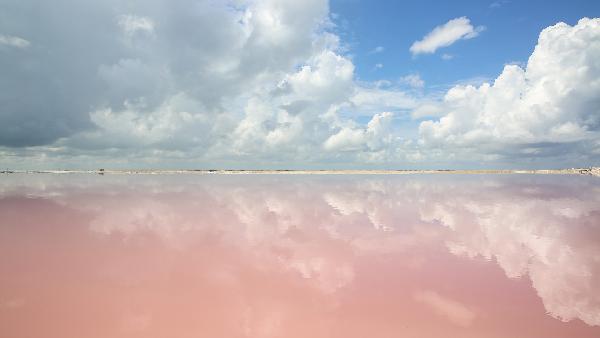
The “Pink Lakes” are primarily located near the small fishing village of Las Coloradas. The striking pink hue is a natural phenomenon caused by the high concentration of salt, red-colored algae, and plankton living in the water. As the water evaporates under the intense Yucatán sun, the salinity increases, causing these organisms to release a beta-carotene pigment, tinting the water a spectacular shade of pink. This process is part of the local salt production industry, which has been operational for decades.
Adjacent to this is the
Ría Lagartos Biosphere Reserve, a sprawling 150,000-acre protected estuary whose name ironically translates to “River of Lizards,” named by Spanish explorers who mistook the numerous crocodiles for large lizards. This reserve is one of the most important ecological zones in Mexico and serves as the primary nesting and feeding ground for a vast population of American flamingos, as well as hundreds of other bird species.
Main Attractions and Activities
The Pink Lakes (Las Coloradas)
The primary draw for most visitors is the breathtaking sight of the pink lakes. The most vivid colors are typically seen between March and October, especially on sunny days when the sun reflects most brilliantly off the water.
Viewing the Lakes: Access to the lakes themselves is restricted as they are part of an active saltworks facility. However, there are designated viewpoints and areas where tours are permitted. Walking into the water is generally prohibited to protect the delicate ecosystem and the salt production process.
Photography: This is a photographer’s paradise. The contrast between the pink water, white salt banks, blue sky, and often yellow sulfur creates a stunning color palette. The best time for photos is between 11 AM and 3 PM when the sun is high.
Ría Lagartos Biosphere Reserve Boat Tours
The quintessential experience of the region is a boat tour through the mangrove-lined canals of the reserve. These tours are typically launched from the town of Río Lagartos.
Flamingo Watching: The highlight is observing large colonies of American flamingos. The best time to see them in large numbers is from April to August, during their nesting and breeding season.
Wildlife Spotting: Beyond flamingos, the reserve is home to crocodiles, sea turtles, a vast array of birds like herons, pelicans, and ospreys, and other wildlife.
The Mayan Bath (El Ojo de Agua): Many tours include a stop at a freshwater spring where visitors can take a refreshing swim in cool, clear water—a perfect contrast to the salty estuary.
Mud Baths: A fun and therapeutic part of the tour is covering oneself in white, mineral-rich mud found on the banks of the estuary. After letting it dry in the sun, you wash it off in the water, leaving your skin feeling incredibly soft.
Nearby Attractions
El Cuyo: A tranquil, laid-back fishing village and beach destination east of Las Coloradas, perfect for those seeking solitude and pristine, windswept beaches. It’s ideal for kitesurfing and birdwatching.
San Felipe: Another charming colorful fishing town located west of Río Lagartos, offering a more rustic and authentic feel with its stilted houses and quiet waterfront.
Food Recommendations
The culinary scene here is dominated by incredibly fresh seafood, caught daily from the Gulf of Mexico.
Pescado Frito (Fried Fish): The absolute must-try. A whole fish, often grouper or snapper, is fried to crispy perfection and served with rice, beans, and tortillas.
Ceviche: Fresh raw fish or shrimp cured in citrus juices and mixed with tomatoes, onions, cilantro, and chili.
Pulpo en su Tinta (Octopus in its Ink): A rich and flavorful regional delicacy.
Cocktel de Camarón (Shrimp Cocktail): A refreshing mix of shrimp in a tomato-based sauce with lime, avocado, and onions.
Panuchos and Salbutes: Classic Yucatecan antojitos (snacks). Panuchos are fried tortillas filled with refried beans and topped with turkey or chicken, lettuce, and pickled onion. Salbutes are similar but without the bean filling.
Where to Eat: In Río Lagartos, head to the malecón (waterfront) where several family-run restaurants offer stunning views and fresh catches of the day. In Las Coloradas, options are more limited, so it’s often better to eat in Río Lagartos or bring snacks.
Transportation Information
Getting There
Nearest Airports: The two main gateways are Cancún International Airport (CUN) and Mérida International Airport (MID). Cancún is more popular and often has cheaper flights.
By Car from Cancún: The drive from Cancún to Río Lagartos/Las Coloradas takes approximately 3 hours (about 200 km/125 miles). The route is straightforward: take Highway 180D (the toll road) towards Valladolid and then continue north on Highway 176 via Tizimín. Renting a car offers maximum flexibility.
By Bus: ADO buses run from Cancún and Mérida to the city of Tizimín. From Tizimín, you will need to take a second, smaller local bus or a collective taxi (colectivo) to Río Lagartos (about a 45-minute journey). Reaching Las Coloradas from Río Lagartos requires a taxi or a pre-arranged tour.
By Tour: Many visitors opt for a day tour from Cancún, Playa del Carmen, or Valladolid. This is the most hassle-free option but offers less time for independent exploration.
Getting Around
Between Towns: The distance between Río Lagartos and Las Coloradas is about 30-40 minutes by car. Taxis are available but can be scarce; it’s best to arrange round-trip transportation with your driver.
Boat Tours: The only way to explore the biosphere reserve is by boat. Tours can be easily booked upon arrival at the docks in Río Lagartos. It’s advisable to agree on the price, route, and duration beforehand.
Accommodation Tips
This region is not known for large all-inclusive resorts. Instead, accommodation focuses on eco-lodges, small hotels, and guesthouses that emphasize connection with nature.
Staying in Río Lagartos
This is the most practical base for exploring both the flamingo reserve and the pink lakes.
Hotel Type: Small, family-run hotels and eco-lodges.
Advantages: Direct access to boat tour operators, excellent seafood restaurants on the waterfront, and a charming, authentic small-town atmosphere.
Recommendations: Look for hotels like “Hotel Río Lagartos” or “Posada Esmeralda” which offer basic but comfortable rooms and are run by local families who can help arrange tours.
Staying in Las Coloradas
Accommodation here is very limited but puts you right next to the pink lakes.
Hotel Type: There are a few very basic lodgings. It’s a remote location with few services.
Advantages: Proximity to the lakes for sunrise or sunset views when the tour groups have left.
Disadvantages: Limited dining options and distance from the boat tours in Río Lagartos.
Alternative Bases
Tizimín: A larger inland city known as the “Three Kings Capital.” It offers more accommodation options and is a transportation hub, but you’ll have a daily commute to the coast.
Valladolid or El Cuyo: For those with a rental car, staying in the beautiful colonial city of Valladolid or the beach town of El Cuyo provides a different experience while still allowing for day trips to the region.
Cultural Insights and Travel Etiquette
The Salt Industry
The pink lakes are not just a tourist attraction; they are part of a vital local industry. The salt flats have been harvested since pre-Hispanic times and today produce a significant amount of Mexico’s salt. Respecting barriers and not entering restricted areas is crucial, as it is both a working facility and a fragile environment.
A Fisherman’s Life
The communities of Río Lagartos and Las Coloradas are traditionally fishing villages. Life moves at a slow pace dictated by the tides and the seasons. Embracing this tranquility is part of the experience. Be patient and respectful of the local way of life.
Sustainable Tourism
This is an ecologically sensitive area. Visitors have a responsibility to minimize their impact.
Keep Your Distance: Always maintain a respectful distance from flamingos and other wildlife. Getting too close can cause stress and disrupt their nesting.
No Littering: Do not leave any trash behind during your boat tour or visit to the lakes.
Use Reef-Safe Sunscreen: If you swim in the Mayan bath or the sea, use biodegradable sunscreen to protect the aquatic ecosystem.
Support Local: Hire local boat guides, eat at local restaurants, and stay in locally-owned hotels. This ensures your tourism dollars benefit the community directly.
Language
Spanish is the primary language. While some people in the tourism industry may speak basic English, learning a few key phrases (like “hola,” “gracias,” “por favor,” “cuánto cuesta”) will be greatly appreciated and enrich your interactions.
Practical Tips for Your Visit
Best Time to Visit: The dry season (November to April) offers pleasant weather. For the most flamingos, visit between April and August. The pink lakes are most vibrant from March to October.
What to Pack: Lightweight clothing, a hat, high-SPF sunscreen, insect repellent (especially for boat tours), binoculars for bird watching, a camera, cash (as many places do not accept credit cards), and reusable water bottles.
Health and Safety: The sun is intense; stay hydrated and protect yourself from sunburn. The tap water is not potable; drink only bottled or purified water.
Touring Strategy: It is highly recommended to combine a visit to Las Coloradas with a boat tour of Ría Lagartos in a single day. Most boat captains in Río Lagartos can arrange a combined tour that includes both.
A journey to Mexico’s Pink Lakes and Flamingo Sanctuaries is more than just a photo opportunity; it’s an immersion into a unique ecosystem where nature’s artistry is on full display. By traveling responsibly and embracing the local culture, visitors contribute to the preservation of this extraordinary place for generations to come.