A Comprehensive Travel Guide to Iceland’s Ring Road & South Coast Adventure
This guide details a classic Icelandic itinerary, a journey through a land of elemental forces where fire and ice coexist. The route takes you from the modern capital of Reykjavík, along the famed Golden Circle, down the dramatic South Coast to the glacier lagoons, and finally to the volcanic Snæfellsnes Peninsula. It is a trip defined by majestic waterfalls, black sand beaches, glacial tongues, and the ever-changing Arctic light.
Day 1: Arrival (KEF) and Transfer to Reykjavík
Your Icelandic adventure begins at Keflavík International Airport (KEF). The stark, volcanic landscape surrounding the airport immediately sets the tone. The most common and cost-effective way to reach Reykjavík, about 50 kilometers away, is via the
Flybus or a similar shuttle service. These buses coordinate with flight arrivals and will take you to the BSÍ Bus Terminal in Reykjavík, with smaller transfer buses taking you to specific hotels and guesthouses.
Upon arriving in Reykjavík, check into your accommodation. Use the remainder of the day to acclimatize and explore the city center on foot. A walk along the old harbor reveals a blend of fishing trawlers and modern whale-watching vessels. For dinner, consider trying
Icelandic lamb soup (Kjötsúpa), a hearty and traditional dish perfect for the climate. A visit to the Hallgrímskirkja church is essential; its unique architecture is inspired by Iceland’s basalt lava flows, and the view from the top offers a panoramic perspective of the colorful city rooftops and the surrounding sea and mountains.
Transport Tip: Pre-booking your Flybus ticket online is recommended. For larger groups or those preferring direct service, pre-booking a private taxi is a convenient, though more expensive, option.
Cultural Insight: Reykjavík is surprisingly compact and walkable. The city embodies a cool, creative energy, with numerous cafes, design shops, and street art contributing to its vibrant atmosphere.
Day 2: The Golden Circle Classic
Today is dedicated to the world-renowned Golden Circle, a route encompassing three of Iceland’s most spectacular sights.
Your first stop is
Þingvellir National Park, a site of profound historical and geological significance. This is where the North American and Eurasian tectonic plates are pulling apart at a rate of about 2 cm per year, creating a vast rift valley. You can literally walk between two continents. It is also the site of the Alþingi, the world’s oldest existing parliament, established in 930 AD.
Next, journey to the
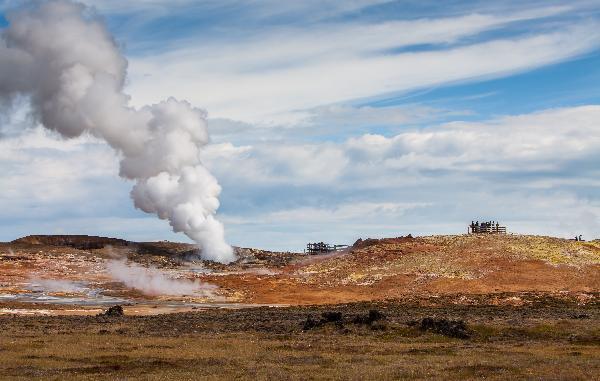
Geysir Geothermal Area. The Great Geysir itself is mostly dormant, but its neighbor, Strokkur, reliably erupts every 5-10 minutes, shooting a column of boiling water up to 40 meters into the air. The area is filled with bubbling mud pots, fumaroles, and other smaller geysers, all emitting a distinct sulfurous smell.
The final marvel of the circle is
Gullfoss, the “Golden Waterfall.” This massive, two-tiered cataract plunges 32 meters into a deep canyon. On a sunny day, the mist creates countless rainbows, giving the falls its name. The power and roar of the water are truly humbling.
Food Tip: For lunch, the cafeteria at Gullfoss offers decent meals with a view. Alternatively, the Friðheimar tomato farm offers a unique dining experience inside a greenhouse, where you can enjoy tomato-based dishes like soup and pasta.
Travel Advice: The weather in Iceland can change rapidly. Even on a sunny day in Reykjavík, it can be windy and cold at Gullfoss. Always have a waterproof and windproof jacket handy.
Day 3: The South Coast to Vík
Today you drive along Iceland’s spectacular South Coast, a region famed for its waterfalls and black sand beaches.
Your first major stop is
Seljalandsfoss waterfall. What makes this 60-meter-high fall unique is the path that allows you to walk fully behind the curtain of water—a breathtaking experience that will likely leave you slightly damp from the spray.
A short drive further east is the even more majestic
Skógafoss. This mighty waterfall is 25 meters wide and 60 meters high, and on sunny days, a permanent rainbow is often visible at its base. A steep staircase leads to a viewing platform at the top, offering a stunning view of the coastline.
Continue to
Vík í Mýrdal, Iceland’s southernmost village. The main attraction here is Reynisfjara, the world-famous black sand beach. The sight is surreal: towering basalt sea stacks (Reynisdrangar) rise from the ocean, and a cave of columnar basalt lines the cliff face. Extreme caution is required here. The waves at Reynisfjara are known as “sneaker waves”—they are unpredictable, powerful, and can easily drag people out to sea. Always keep a safe distance from the water.
Accommodation: Overnight in or near Vík. Booking accommodation well in advance is crucial, especially during the summer months.
Food & Culture: For dinner in Vík, try the local beer or a dish featuring fresh Arctic char. The village church, perched on a hill, offers a beautiful vantage point over the village and its dramatic surroundings.
Day 4: Jökulsárlón Glacier Lagoon and Blue Ice Cave Adventure
This day is dedicated to ice. Continue east from Vík, with views of the massive Mýrdalsjökull ice cap to your north. The landscape becomes even more stark and glacial as you approach
Jökulsárlón Glacier Lagoon.
Jökulsárlón is a breathtaking sight. The lagoon is filled with icebergs that have calved from the Breiðamerkurjökull glacier. The icebergs float serenely in the milky-blue, iceberg-dotted water before drifting out to sea. Just across the road lies
“Diamond Beach,” where smaller icebergs wash ashore on the black sand, glittering like jewels against the dark backdrop.
The afternoon brings one of Iceland’s most magical winter experiences: a
Blue Ice Cave tour. It is critical to understand that visiting a natural ice cave is only possible in the winter months (typically November to March) and must be done with a certified guide. You will be transported in a modified vehicle to the edge of the glacier, where your guide will lead you into a world of surreal blue light filtered through centuries-old compressed ice. The color and formations are otherworldly.
Practical Tip: Ice cave tours are highly weather-dependent and must be booked months in advance due to high demand. Wear warm, waterproof layers and sturdy hiking boots.
Safety First: Never attempt to go onto a glacier or into an ice cave without a trained guide. Glaciers are dynamic, dangerous environments with hidden crevasses.
Day 5: South Coast Scenery and Return to Reykjavík
Begin your journey back towards Reykjavík along the South Coast. This is an opportunity to revisit any favorite spots you may have missed or simply to appreciate the landscapes from a different perspective. You might stop at
Dyrhólaey, a promenade with a massive stone arch and a historic lighthouse, offering spectacular views of the black sand beaches below.
The drive back allows you to soak in the vastness of the South Coast plains, with glaciers almost always visible on the horizon. Upon reaching Reykjavík in the late afternoon or evening, you can enjoy a more relaxed exploration of the city. Consider treating yourself to a famous Icelandic hot dog at
Bæjarins Beztu Pylsur, or enjoy fresh seafood at one of the many excellent restaurants by the harbor.
Driving Tip: Check road conditions on road.is before setting off. Allow plenty of time for stops and potential weather changes.
Day 6: The Snæfellsnes Peninsula – “Iceland in Miniature”
Today you embark on a day trip to the Snæfellsnes Peninsula, located about a two-hour drive north of Reykjavík. This region is often called “Iceland in Miniature” because it features a remarkable concentration of the country’s classic landscapes: a glacier-capped volcano, dramatic coastal cliffs, volcanic craters, and charming fishing villages.
A key highlight is
Kirkjufell, often cited as Iceland’s most photographed mountain. Its distinct arrowhead shape, combined with the nearby Kirkjufellsfoss waterfalls, creates a quintessential Icelandic scene.
Explore the dramatic coastline at
Arnastapi, where you can walk along cliffs featuring intricate basalt rock formations and a stunning stone arch called Gatklettur. The area is rich in birdlife during the summer months. The crown of the peninsula is the Snæfellsjökull glacier, which sits atop a stratovolcano and is famous for being the entrance to the center of the Earth in Jules Verne’s “Journey to the Center of the Earth.”
Lunch Suggestion: Stop in the picturesque village of Stykkishólmur for lunch. This colorful town on Breiðafjörður Bay has several good restaurants offering stunning views.
Insight: The weather on Snæfellsnes can be particularly moody and changeable, adding to its mystical atmosphere. Be prepared for all conditions.
Day 7: Departure (KEF)
On your final day, enjoy a leisurely breakfast in Reykjavík. If time permits before your flight, you might visit one last museum, such as the Perlan Museum with its indoor ice cave and panoramic views, or do some last-minute souvenir shopping for Icelandic wool sweaters (lopapeysa) or salt.
Allow ample time for your return journey to Keflavík Airport. The Flybus service requires you to be at the BSÍ Bus Terminal or a designated pick-up point at a specific time before your flight departure. As you fly out, you’ll have one last aerial view of the rugged, unforgettable landscape of Iceland.
Final Tip: A visit to the Blue Lagoon on your way to the airport is a popular way to end the trip. It is located very close to KEF airport, but pre-booking is absolutely mandatory.
Souvenir Idea: Look for authentic Icelandic crafts. A real lopapeysa is knitted from unspun Icelandic wool and is both water-resistant and incredibly warm—a perfect memento of your journey.