A Comprehensive Travel Guide to Greece: Athens, Mainland Wonders, and Iconic Islands
This guide details a classic Greek itinerary that combines the historical depth of the mainland with the iconic beauty of the islands. The journey spans ancient capitals, mountainous villages, legendary archaeological sites, and breathtaking coastal scenery, offering a profound and diverse experience of Greece.
Part 1: Athens – The Cradle of Western Civilization
Athens, the historical capital of Europe, is a vibrant metropolis where ancient wonders seamlessly blend with modern urban life. It is the essential starting point for any Greek adventure.
Main Attractions
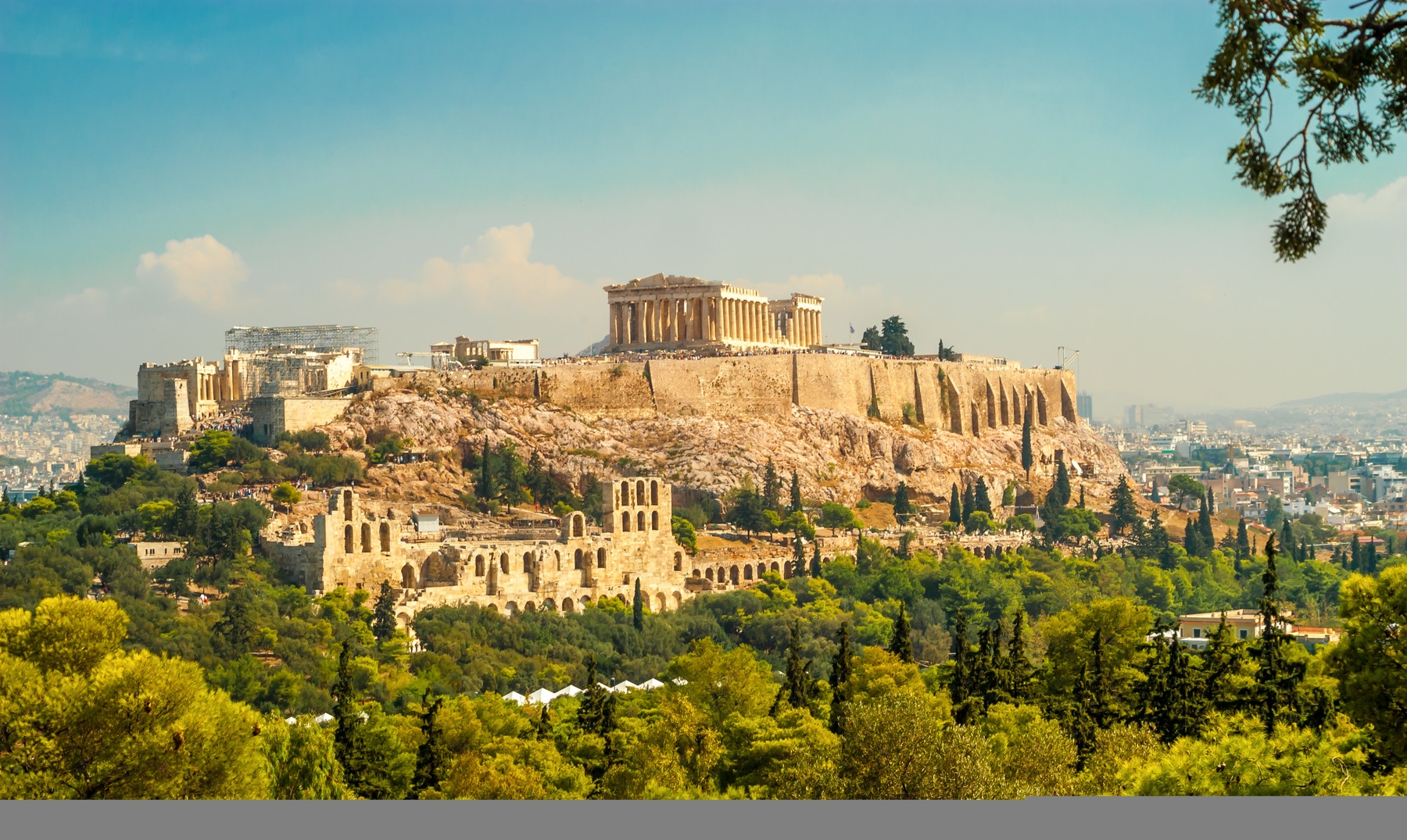
The Acropolis & Parthenon: The iconic symbol of Athens and ancient Greece. Visitors should purchase a combined ticket for access to the Acropolis and six other archaeological sites. Early morning or late afternoon visits are recommended to avoid crowds and extreme heat.
Acropolis Museum: A world-class museum housing the treasures found on the Acropolis slope. Its glass floors reveal ruins below, and the top-floor Parthenon Gallery offers a stunning view of the temple itself.
Ancient Agora: The heart of ancient Athenian public life, where Socrates philosophized and St. Paul preached. The beautifully preserved Temple of Hephaestus dominates the site.
Plaka & Anafiotika: Wandering through the labyrinthine, neoclassical streets of Plaka and the whitewashed, island-style houses of Anafiotika offers a charming escape from the city bustle.
Panathenaic Stadium: The only stadium in the world built entirely of marble, hosted the first modern Olympic Games in 1896.
Food & Drink
Athens boasts a thriving food scene. Must-try dishes include
Moussaka (eggplant or potato-based dish with minced meat), Souvlaki (grilled meat skewers, often served in pita bread), and fresh Greek Salad (Horiatiki). For an authentic experience, explore the tavernas in Psiri or the central market (Varvakios Agora) area.
Transportation & Accommodation
Athens International Airport (ATH) is well-connected globally. The city’s metro system is efficient and links the airport to the city center. The compact historical center is very walkable. For accommodation, neighborhoods like Plaka, Syntagma, and Koukaki offer convenience and charm, with options ranging from luxury hotels to boutique guesthouses.
Part 2: The Mainland Loop: A Journey to Mythical Sites
This route takes travelers through central Greece, exploring picturesque towns and some of the country’s most significant ancient sites.
Arachova: The Cosmopolitan Mountain Escape
En route to Delphi, Arachova is a stunning mountain town clinging to the slopes of Mount Parnassus. Known for its vibrant nightlife, chic boutiques, and traditional woolen blankets (
flokati), it’s a popular winter destination due to its proximity to the Parnassos ski resort.
Attractions: The clock tower, the main street with its shops, and the Church of Agios Georgios.
Food: Try hearty mountain cuisine like formaela cheese (grilled or fried) and robust local wines.
Delphi: The Navel of the World
A UNESCO World Heritage site, Delphi was considered the center of the world in ancient times. Pilgrims traveled here to consult the famous Oracle of Apollo.
Archaeological Site: Walk the Sacred Way to the Temple of Apollo, see the remarkably well-preserved theater, and the stadium high above. The site offers breathtaking views of the Pleistos Valley and the Gulf of Corinth.
Delphi Archaeological Museum: Houses incredible artifacts from the site, including the iconic Charioteer of Delphi bronze statue.
Kalambaka & Meteora: Monasteries in the Sky
The town of Kalambaka sits at the foot of the Meteora rock formations. Meteora, meaning “suspended in the air,” is a landscape of immense sandstone pillars topped by centuries-old monasteries.
Attractions: Visit several of the six active monasteries (e.g., Great Meteoron, Varlaam, Roussanou). Check individual opening days as they rotate. The view at sunset is unparalleled.
Transportation: Buses run from Kalambaka to the monasteries, but renting a car, hiring a taxi, or joining a tour offers more flexibility. Hiking between monasteries is a popular and rewarding option.
Accommodation: Stay in Kalambaka or the adjacent village of Kastraki for a range of hotels and guesthouses with stunning views.
Part 3: Zakynthos – The Island of Azure Waters
From the mainland port of Kyllini, a ferry transports travelers to Zakynthos (Zante), an Ionian island famed for its dramatic coastline and vibrant nightlife.
Main Attractions
Navagio (Shipwreck) Beach: The world-famous cove accessible only by boat, featuring a rusting shipwreck on pure white sand against turquoise waters. Viewing platforms from the cliffs above offer the classic photo opportunity.
Blue Caves: Located on Cape Skinari, these sea caves are renowned for the dazzling blue color reflected in the water.
Caretta-caretta Turtles: Laganas Bay is a major nesting ground for the loggerhead sea turtle. Boat tours are available, but it is crucial to choose operators who respect the turtles’ habitat.
Bohali Venetian Castle: Offers panoramic views over Zakynthos Town and the Ionian Sea.
Food & Accommodation
Zakynthos has a distinct cuisine; try
sofrito (veal slow-cooked in a white wine and garlic sauce) and local olive oil. Accommodation ranges from the bustling resorts of Laganas to quieter villages like Tsilivi and Alykes.
Part 4: The Peloponnese – A Peninsula Steeped in History
Crossing the engineering marvel of the Corinth Canal, travelers enter the Peloponnese, a region dense with Mycenaean palaces, Classical temples, and Byzantine fortresses.
Key Destinations
Ancient Corinth & Acrocorinth: Explore the ruins of the once-powerful city-state, including the Temple of Apollo. Towering above it is Acrocorinth, a massive fortified hill with a history spanning from antiquity to the Ottoman era.
Mycenae: The legendary city of King Agamemnon. Walk through the monumental Lion Gate, see the royal tholos tombs (including the so-called “Treasury of Atreus”), and explore the palace complex.
Epidaurus: Famous for its incredibly well-preserved ancient theater, renowned for its perfect acoustics. The adjacent Sanctuary of Asclepius was an important healing center in antiquity.
Nafplio: Often called Greece’s most beautiful city, this charming seaside town features Venetian architecture, the Palamidi Fortress, and the Bourtzi island castle. It’s an ideal base for exploring Argolis.
Olympia: The birthplace of the Olympic Games. Walk through the ancient stadium, gymnasium, and temples where athletes competed for glory every four years. The on-site museum is exceptional.
Part 5: Santorini – The Volcanic Gem
The journey culminates on Santorini (Thira), an island formed by a massive volcanic eruption. Its dramatic caldera views, whitewashed villages, and stunning sunsets are legendary.
Main Attractions
Fira & Oia: Fira, the bustling capital, clings to the caldera edge. Oia, on the northern tip, is famed for its picture-perfect sunset views and blue-domed churches.
Caldera Views & Hiking: The footpath from Fira to Oia is a spectacular 10km hike along the caldera rim, offering continuous breathtaking vistas.
Akrotiri Archaeological Site: A Minoan Bronze Age settlement buried by volcanic ash (like Pompeii), offering a fascinating glimpse into a highly advanced prehistoric civilization.
Volcanic Beaches: Visit the unique red and black sand beaches of Red Beach and Perissa/Kamari, respectively.
Winery Tours: Santorini is renowned for its distinctive Assyrtiko wine. Tour a traditional vineyard and sample wines grown in the island’s unique volcanic soil.
Food & Accommodation
Santorini’s cuisine features unique specialties like
fava (yellow split pea puree), domatokeftedes (tomato fritters), and fresh seafood. White egg-shaped cave houses are carved into the cliffs. Accommodation in Oia and Imerovigli offers premium caldera views, while Perissa and Kamari provide more affordable beachside options.
Transportation & Cultural Insight
Santorini is connected by ferry from Piraeus (Athens’ port) and by flight from Athens International Airport. Getting around requires renting an ATV, car, or using local buses. Santorini’s unique geography is a direct result of one of history’s largest volcanic eruptions, which shaped not only its landscape but also its history and culture. The island’s architecture, with its whitewashed houses and blue domes, is designed to reflect sunlight and stay cool.
A Note on Logistics
The most efficient way to complete this mainland loop is by renting a car, which provides maximum flexibility for visiting remote sites like Mycenae and Olympia. For island travel (Zakynthos and Santorini), booking ferry tickets in advance during high season (June-September) is highly recommended. This itinerary offers a profound journey through millennia of history, diverse landscapes, and unforgettable Greek hospitality.