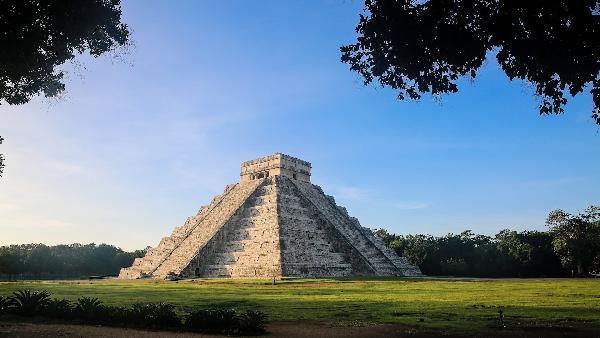
A Comprehensive Travel Guide to Chichen Itza, Ik Kil Cenote, and Suytun Cenote
Nestled in the heart of Mexico’s Yucatán Peninsula lies a corridor of unparalleled historical and natural wonder. This region offers a profound journey through time, from the soaring stone temples of an ancient civilization to the hidden, water-filled caverns that were sacred to them. A trip connecting the majestic ruins of Chichen Itza with the serene beauty of the Ik Kil and Suytun cenotes is more than a vacation; it’s an immersion into the soul of the Maya world.
Chichen Itza: The Legendary Maya Metropolis
Chichen Itza is not merely an archaeological site; it is a symbol of Mexico, a UNESCO World Heritage Site, and one of the New Seven Wonders of the World. Its name translates to “At the mouth of the well of the Itza,” a reference to the nearby Sacred Cenote that sustained the city. The architecture here reflects a fascinating blend of Maya and Toltec influences, telling a story of cultural fusion, astronomical genius, and immense power.
Key Attractions Within Chichen Itza
El Castillo (The Temple of Kukulcan): This iconic step pyramid is the centerpiece of Chichen Itza. Its design is a precise astronomical calendar. Each of its four sides has 91 steps, which, combined with the shared platform at the top, totals 365—the number of days in a solar year. During the spring and autumn equinoxes, a mesmerizing play of light and shadow creates the illusion of a serpent slithering down the northern staircase, a representation of the feathered serpent god Kukulcan.
The Great Ball Court (Juego de Pelota): This is the largest and most impressive ball court in ancient Mesoamerica. The games played here were deeply ritualistic, often associated with myths of life, death, and the cosmos. The remarkable acoustics allow a whisper from one end to be clearly heard at the other. Carvings on the walls depict players, and one famous panel shows a player being decapitated, which some interpret as a representation of ritual sacrifice.
The Temple of the Warriors (Templo de los Guerreros): A massive complex consisting of a large stepped pyramid flanked by rows of carved columns depicting warriors. At the top, you’ll find a Chac Mool statue, a reclining figure holding a bowl used for offerings. The adjacent Group of a Thousand Columns suggests this was once a vast marketplace or civic center.
The Sacred Cenote (Cenote Sagrado): A massive, natural sinkhole that was a focal point for pilgrimage and sacrifice. Archaeological dredging has recovered gold, jade, pottery, and human remains from its depths, confirming its role as a site for offerings to the rain god Chaac.
El Caracol (The Observatory): This unique round tower demonstrates the advanced astronomical knowledge of the Maya. Its windows and sightlines are aligned with the movements of Venus and other celestial bodies, allowing priests to accurately track time and plan agricultural and religious cycles.
Practical Tips for Visiting Chichen Itza
Arrive Early: The site opens at 8:00 AM. Arriving right at opening is the best way to avoid the largest crowds and the intense midday heat. Tour buses typically arrive between 10:30 AM and 2:00 PM.
Hire a Guide: While you can explore independently, a certified guide (available for hire at the entrance) brings the stones to life with stories, historical context, and insights you would otherwise miss. They can also help you navigate the sprawling site efficiently.
What to Bring: Sunscreen, a wide-brimmed hat, sunglasses, and comfortable walking shoes are non-negotiable. Carry plenty of water; while vendors sell it inside, it’s more expensive. A small towel to wipe sweat is also useful.
Beware of Vendors: The path through the ruins is lined with vendors selling souvenirs. A polite but firm “No, gracias” is usually sufficient if you are not interested. Haggling is expected if you do decide to buy.
Ik Kil Cenote: The Garden Oasis
Located just a few minutes’ drive from Chichen Itza, Ik Kil is a cenote that feels like something from a fantasy novel. Unlike the open-air Sacred Cenote, Ik Kil is a spectacular *cenote abierto* (open cenote) situated deep in the jungle. You descend a long, winding stone staircase down into a cavernous sinkhole, where vines and roots from plants above cascade down the limestone walls, reaching for the crystal-clear turquoise water below.
The Ik Kil Experience
The water is remarkably clear and refreshingly cool—a perfect respite after a morning exploring the hot ruins. Small black catfish swim placidly below. The cenote is open to the sky, allowing sunlight to filter down, creating dappled patterns on the water’s surface. There are platforms for jumping into the deeper parts of the cenote, which is a thrilling experience for many visitors. Life jackets are available for rent and are mandatory for weaker swimmers.
Facilities and Tips
- The park has excellent facilities, including changing rooms, bathrooms, lockers, and a restaurant.
- All visitors are required to take a quick shower before entering the cenote to remove oils and sunscreen, helping to preserve the delicate ecosystem.
- It can get crowded in the afternoon as tours from Chichen Itza arrive. For a more peaceful swim, try to visit before 11:00 AM or after 3:00 PM.
Suytun Cenote: The Underground Sanctuary
While Ik Kil is grand and open, Suytun offers a completely different, more mystical atmosphere. Located near Valladolid, it has gained immense popularity due to its photogenic qualities. Suytun is primarily a *cenote semiabierto* (semi-open cenote), meaning it’s mostly enclosed within a cave with only a small opening in the ceiling.
The Suytun Experience
The entrance leads you down into a dimly lit cavern. The air is cool and humid. A long, man-made stone causeway extends from the entrance directly to the center of the circular pool, ending at a small circular platform. At certain times of day (typically between 11:30 AM and 1:30 PM), a single beam of sunlight pierces through the ceiling hole, illuminating the platform like a spotlight from heaven. This creates an almost spiritual and otherworldly scene, making it a photographer’s dream.
Facilities and Tips
- Facilities are more basic than at Ik Kil but include bathrooms and changing areas.
- The same showering rule applies before entering the water.
- For the iconic photo on the platform, you will likely have to wait in line. Visit during off-peak hours (early morning or late afternoon) to avoid the biggest crowds.
- The water is deep and cool. Life jackets are available for rent and are highly recommended as there are limited places to hold onto at the edges.
Culinary Journey: Tasting the Yucatán
The Yucatán Peninsula boasts a unique cuisine distinct from the rest of Mexico, with strong Mayan influences and flavors like achiote, sour orange, and habanero chili.
Cochinita Pibil: The quintessential Yucatecan dish. Pork marinated in achiote paste and sour orange juice, wrapped in banana leaves, and slow-roasted in an underground pit (*pib*). It’s incredibly tender and flavorful, often served in tacos or tortas.
Poc Chuc: Thinly sliced pork that is grilled and typically marinated in citrus juice. It is served with pickled red onions (*cebolla en escabeche*).
Salbutes and Panuchos: Both are antojitos (street snacks). Salbutes are fried corn tortillas topped with shredded turkey or chicken, lettuce, avocado, and pickled onion. Panuchos are similar but feature a tortilla that is stuffed with refried black beans before frying.
Sopa de Lima: A comforting lime soup made with chicken or turkey broth, shredded chicken, tortilla strips, and a generous amount of Yucatecan lime, which has a distinct flavor.
Where to Eat: For an authentic experience after your Chichen Itza tour, skip the large buffet restaurants near the ruins and head to Valladolid. Restaurants like Yerbabuena del Sisal or El Mesón del Marqués offer fantastic traditional food in a beautiful setting.
Transportation and Logistics
Getting There
From Cancun/Tulum: The most common route. You can rent a car (the toll highway 180D is fast and safe), take an ADO bus (comfortable and affordable) directly to Chichen Itza, or join an organized tour.
From Merida: The drive is about 1.5-2 hours west on Highway 180.
Getting Around the Attractions
By Rental Car: Offers maximum flexibility. You can visit Chichen Itza at opening, then drive to Ik Kil (5 mins away) for a swim before the crowds arrive. Suytun is about a 30-minute drive towards Valladolid.
By Tour Bus: Many day tours from Cancun or Tulum bundle Chichen Itza with Ik Kil. This is convenient but locks you into their schedule. Suytun is less commonly included but can be found on some specialized tours.
By Collectivo/ADO Bus: For the more adventurous traveler, you can take an ADO bus to Chichen Itza. From there, you would need to negotiate with a local taxi to take you to Ik Kil and Suytun and wait for you, which can be costly. This method requires more planning.
A Deeper Cultural Understanding
To truly appreciate these sites, it’s important to understand their cultural significance beyond their physical beauty.
Cenotes in Maya Cosmology: For the ancient Maya, cenotes were not just water sources; they were portals to the underworld, known as Xibalba. They were considered sacred gateways where humans could communicate with the gods, particularly Chaac, the god of rain and lightning. Offerings, including valuable objects and sometimes human sacrifices, were made to appease these gods and ensure fertility and rainfall.
The Legacy of Chichen Itza: Chichen Itza was more than a city; it was a major political, economic, and religious center for centuries. Its decline around the 15th century remains somewhat mysterious, likely involving drought, internal strife, and shifting trade routes. Today, it stands as a powerful testament to Maya ingenuity in architecture, astronomy, and mathematics.
The Modern Maya: The Maya people are not a civilization of the past. Millions of Maya descendants live in the Yucatán today, speaking Mayan languages and preserving many aspects of their traditional culture. Be respectful when visiting their communities and purchasing handicrafts; buying directly from artisans supports their livelihood.
A Sample One-Day Itinerary
7:00 AM: Depart from Valladolid or your hotel near Chichen Itza.
8:00 AM: Arrive at Chichen Itza as it opens. Explore El Castillo, the Great Ball Court, and other main structures for 2-3 hours with a guide.
11:00 AM: Drive to Ik Kil Cenote for a refreshing swim before the main tour bus crowds descend.
12:30 PM: Have lunch at a restaurant in Valladolid (like El Mesón del Marqués) for an authentic Yucatecan meal.
2:00 PM: Drive to Suytun Cenote. The light beam may be fading by this time, but the crowds will also be thinner than at midday.
4:00 PM: Explore the beautiful colonial city of Valladolid—visit the Convent of San Bernardino de Siena or simply wander the colorful streets before heading back.
Final Travel Tips and Local Insights
Currency: Mexican Pesos (MXN) are king. While US dollars are sometimes accepted at major tourist spots like Chichen Itza gates, you will get a poor exchange rate. Always have cash for smaller vendors, cenote entries, and tips.
Language: Basic Spanish phrases go a long way. Learn greetings like “Buenos días” (Good morning), “Por favor” (Please), and “Gracias” (Thank you). In tourist areas, many vendors speak some English.
Tipping: It is customary to tip guides (10-15% of the tour cost is standard), restaurant waitstaff (10-15%), and baggers at supermarkets (a few pesos).
Souvenirs: Look for hand-embroidered textiles (*huipiles*), hammocks (Valladolid is famous for them), carved wooden jaguars, and traditional pottery. Avoid buying items made from black coral or sea turtle shells, as this supports illegal trade.
Sustainability: Be a responsible traveler. Use reef-safe/biodegradable sunscreen (mandatory for cenotes), do not touch the limestone formations in cenotes, stay on marked paths at ruins, and always dispose of your trash properly.
A journey through Chichen Itza, Ik Kil, and Suytun is a pilgrimage through layers of history and nature. It’s where you can stand in awe of human achievement under the sun and then descend into the tranquil, sacred darkness that fueled an entire civilization’s imagination. With careful planning and cultural respect, this trip will leave you with memories far more enduring than any photograph.