A Comprehensive Travel Guide to Athens, Greece: Acropolis Museum, Sounion, and Beyond
Athens, the historical capital of Europe, is a city where ancient mythology and modern life vibrantly coexist. From the iconic Acropolis standing sentinel over the city to the sparkling waters of the Saronic Gulf at Sounion, a trip to Athens is a journey through the cradle of Western civilization. This guide provides a detailed itinerary and essential information for exploring the heart of classical Greece, focusing on the Athens city experience, the world-class Acropolis Museum, and the breathtaking Temple of Poseidon at Sounion.
Part 1: Exploring the Heart of Athens
Athens is a sprawling metropolis, but its historical core is remarkably walkable. The key to enjoying Athens is to balance the exploration of ancient sites with the experience of its lively contemporary culture, from bustling markets to cozy tavernas.
Major Attractions in Athens
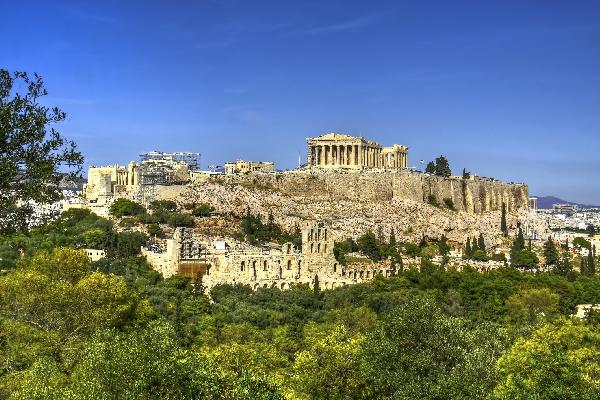
The Acropolis: The sacred rock of Athens is an unmissable symbol of classical spirit. A UNESCO World Heritage site, it is home to several monumental buildings from the 5th century BC, the Golden Age of Athens. Key structures include the Parthenon, the Erechtheion with its iconic Caryatids, the Temple of Athena Nike, and the Propylaea gateway. Visitors should allocate at least 3-4 hours to fully appreciate the site. It is highly recommended to purchase a combined ticket online in advance, which provides access to the Acropolis and six other archaeological sites over five days, saving both time and money.
Ancient Agora: Located northwest of the Acropolis, the Agora was the commercial, political, and social heart of ancient Athens. It’s where Socrates philosophized and St. Paul preached. The site includes the remarkably well-preserved Temple of Hephaestus and the reconstructed Stoa of Attalos, which now houses the Agora Museum.
Plaka & Anafiotika: Nestled on the slopes of the Acropolis, Plaka is the oldest neighborhood in Athens. Its labyrinthine streets are lined with neoclassical houses, souvenir shops, and traditional tavernas. Wandering through Plaka feels like stepping back in time. For an even more unique experience, explore Anafiotika, a tiny, hidden district within Plaka built by craftsmen from the island of Anafi in the 19th century, featuring charming, whitewashed Cycladic-style houses.
Monastiraki Square & Flea Market: A vibrant and chaotic square offering a blend of eras with a view of the Acropolis. The Monastiraki Flea Market is a bustling area where you can find everything from antiques and handmade leather goods to cheap souvenirs and clothing. It’s a fantastic place for people-watching and absorbing local energy.
National Archaeological Museum: Widely considered one of the greatest museums in the world, it houses the richest collection of artifacts from Greek antiquity worldwide. Its treasures include the Mask of Agamemnon, the Antikythera Mechanism (an ancient analog computer), and stunning sculptures and pottery.
Changing of the Guard (Evzones): In front of the Hellenic Parliament on Syntagma Square, the Evzones—the presidential guard—perform a highly stylized changing of the guard ceremony every hour on the hour. The most elaborate ceremony takes place on Sunday at 11:00 AM.
Athens Food & Drink Recommendations
Greek cuisine is a highlight of any visit. Athenian dining ranges from quick street food to Michelin-starred restaurants.
Must-Try Dishes:
Souvlaki & Gyros: The quintessential Greek street food. For a classic experience, visit a “souvlatzidiko” like “Kostas” in Plaka or “O Thanasis” in Monastiraki.
Moussaka: A rich baked casserole with layers of eggplant, minced meat, and béchamel sauce.
Horiatiki (Greek Salad): A simple, refreshing salad of tomatoes, cucumbers, onions, olives, and a large slab of feta cheese, dressed with olive oil and oregano.
Fava: A delicious yellow split pea purée, often served with onions and olive oil.
Fresh Grilled Fish & Seafood: Best enjoyed in areas like Piraeus or the coastal suburbs.
Drinks:
Ouzo: The classic anise-flavored aperitif, always served with ice and meze (small appetizers).
Greek Wine: Explore excellent indigenous varieties like Assyrtiko (white) and Agiorgitiko (red).
Greek Coffee: A strong, thick coffee brewed in a “briki” pot and served with the grounds.
Recommended Areas for Dining: Psiri for lively tavernas with live music, Koukaki for trendy cafes and bistros, and Plaka for romantic rooftop dinners with Acropolis views.
Transportation in Athens
Metro: Athens has an efficient, clean, and safe metro system. It’s the best way to cover long distances quickly. Key stations for tourists include “Acropoli” (for the Acropolis Museum), “Monastiraki” (for the Agora and Plaka), and “Syntagma” (for the city center and Parliament).
Walking: The historical center is very pedestrian-friendly. Walking is often the best way to travel between major sites like the Acropolis, Plaka, Monastiraki, and Syntagma Square.
Bus & Tram: Buses cover areas not serviced by the metro. The tram is excellent for reaching the southern coastal suburbs (Glyfada, Voula, Vouliagmeni) from Syntagma Square.
Taxi & Ride-Sharing: Taxis are plentiful and relatively inexpensive compared to other European capitals. Use the official “Beat” or “Free Now” apps for hailing and fixed-price rides.
Accommodation Tips for Athens
Choosing the right neighborhood is crucial for a convenient stay.
Plaka/Koukaki/Makrygianni: Ideal for first-time visitors. These areas are picturesque, safe, and within walking distance of the Acropolis and Acropolis Museum. They offer a wide range of hotels and Airbnb rentals.
Syntagma: The business and transport hub. Staying here provides easy access to metro lines and buses. It’s home to many luxury hotels.
Monastiraki/Psiri: Perfect for those who want to be in the middle of the nightlife and vibrant street life. Can be noisy at night.
Kolonaki: An upscale neighborhood at the foot of Lycabettus Hill, known for its high-end boutiques, art galleries, and chic cafes.
Part 2: The Acropolis Museum
A modern architectural marvel, the Acropolis Museum is an essential companion to the Acropolis itself. Designed by architect Bernard Tschumi, it stands just 300 meters southeast of the Parthenon, built over an active archaeological site visible through glass floors.
Introduction and Highlights
The museum was created to house all the artifacts found on the Acropolis and its slopes, from the Greek Bronze Age to Roman and Byzantine Greece. Its design allows for maximum natural light and offers stunning views of the Acropolis from its galleries and cafe.
The Slopes of the Acropolis Gallery (Level 1): As you enter, you walk over glass floors revealing excavations below. This level showcases finds from the sanctuaries on the slopes of the Acropolis, including artifacts from everyday life in ancient Athens.
The Archaic Gallery (Level 2): This bright, airy gallery displays the magnificent archaic statues that once adorned the Acropolis before the Persian wars. The famous Moschophoros (Calf-Bearer) and the haunting Korai (maidens) statues are highlights here.
The Parthenon Gallery (Level 3): The crown jewel of the museum. This top-floor gallery is arranged in exactly the same orientation as the Parthenon itself. It displays the remaining Parthenon Marbles (also known as the Elgin Marbles) in sequence. The metopes, pediments, and the frieze are presented with gaps left for the pieces held by the British Museum in London, making a powerful statement. The panoramic glass walls offer a direct visual connection to the temple for which these sculptures were created.
The Caryatids: The original Caryatids from the Erechtheion’s Porch of the Maidens are housed here in a specially controlled atmosphere to protect them from further pollution damage. The figures on the Acropolis itself are replicas.
Practical Visitor Information
Location: Dionysiou Areopagitou 15, Athens 11742.
Getting There: The nearest metro station is “Acropoli” on the Red Line. It is a short, pleasant walk from there.
Tickets & Hours: It is advisable to book tickets online in advance to avoid queues, especially during peak season (April-October). Check the official website for current opening hours and ticket prices.
Best Time to Visit: Early morning or late afternoon to avoid the largest crowds. Allocate at least 2-3 hours for a thorough visit.
Facilities: The museum has a excellent restaurant and cafe on the second floor with Acropolis views, a gift shop, and cloakroom facilities.
Part 3: Day Trip to Cape Sounion (Sounio)
A trip to Cape Sounion provides a dramatic and scenic escape from the city bustle. Located at the southernmost tip of the Attica peninsula, about 70 km from Athens, it is renowned for the majestic Temple of Poseidon set atop a cliff overlooking the Aegean Sea.
The Temple of Poseidon
Built in 444-440 BC during the age of Pericles, the Temple of Poseidon was constructed to honor the god of the sea. It was a crucial landmark for ancient mariners. Made of local white marble, only 15 of its original 34 Doric columns remain standing today. The site is famous not only for its architectural beauty but also for its breathtaking sunsets. The poet Lord Byron was so captivated by Sounion that he carved his name on one of the columns—a act now sadly replicated by many less-famous visitors.
Getting to Sounion
By Car: The most flexible option. The drive along the “Athens Riviera” is scenic, passing through glamorous coastal towns like Glyfada, Voula, and Vouliagmeni. The journey takes about 1.5 hours without traffic.
By Public Bus (KTEL): A cost-effective and reliable method. Buses to Sounion depart from the KTEL Attikis bus station located near Pedion Areos park in central Athens. The journey takes approximately 2 hours. It is crucial to check the return bus schedule in advance to avoid being stranded.
By Organized Tour: Many companies offer half-day sunset tours from Athens that include transportation and a guide. This is a hassle-free option that ensures you get there and back without worry.
Visitor Tips for Sounion
Timing is Everything: Plan your visit to coincide with sunset. This is when the temple is at its most magical, as the setting sun paints the marble columns in golden hues. It is also the most crowded time.
What to Bring: Wear sturdy shoes for walking on uneven ground. Bring water, sunscreen, and a hat as there is little shade at the site.
Combine with a Swim: There are several beautiful beaches near Sounion (like Legrena Beach). Consider bringing your swimsuit and taking a refreshing dip in the Aegean Sea before or after visiting the temple.
Dining: There are a few tavernas near the entrance to the archaeological site offering fresh seafood with spectacular views. Alternatively, you can stop for dinner in one of the coastal towns on your way back to Athens.
A Sample 4-Day Athens Itinerary
Day 1: Ancient Core & City Vibes
- Morning: Explore the Acropolis (arrive at opening time).
- Afternoon: Visit the Acropolis Museum.
- Evening: Wander through Plaka and Anafiotika; enjoy dinner at a traditional taverna.
Day 2: Agoras & Markets
- Morning: Discover the Ancient Agora and Roman Agora.
- Afternoon: Experience the hustle of Monastiraki Flea Market and explore Psiri.
- Evening: Watch the sunset from Lycabettus Hill (accessible by funicular or hike).
Day 3: Culture & Sunset at Sounion
- Morning: Visit the National Archaeological Museum.
- Afternoon: Travel to Cape Sounion via the scenic coastal road.
- Evening: Witness a spectacular sunset at the Temple of Poseidon; return to Athens for a late dinner.
Day 4: Modern Athens & Departure
- Morning: See the Changing of the Guard at Syntagma Square; explore the upscale Kolonaki neighborhood.
- Afternoon: Last-minute souvenir shopping or visit a lesser-known museum like the Museum of Cycladic Art.
Cultural Insights and Etiquette
Understanding local customs will enrich your travel experience.
The Siesta: Many smaller shops, especially outside the city center, close between 2:00 PM and 5:00 PM. Life resumes in the evening, with dinner often starting after 9:00 PM.
Hospitality (Philoxenia): Greeks are famously hospitable. A warm welcome is standard. It is polite to accept a small offering like a glass of water or a sweet if offered in a shop or taverna.
Temple Etiquette: When visiting archaeological sites and churches, dress modestly. Shoulders and knees should be covered. Be respectful; climbing on ancient ruins is strictly forbidden.
A journey to Athens and its surrounding treasures is more than a vacation; it’s an immersion into history, myth, and vibrant Mediterranean culture. By exploring its ancient stones, savoring its flavors, and embracing its pace of life, travelers connect with a legacy that has shaped the world for millennia.
“