A Comprehensive Travel Guide: The Grand Iberian Loop
This guide details a classic circular itinerary exploring the rich cultural tapestry, historic landmarks, and vibrant cities of Spain and Portugal. The route, beginning and ending in Lisbon, is designed to offer a deep dive into the heart of the Iberian Peninsula, covering iconic capitals, Moorish masterpieces, and Mediterranean gems.
Route Overview
The journey is a grand loop connecting two countries:
Portugal and Spain. The recommended route is: Lisbon → Toledo → Madrid → Zaragoza → Barcelona → Valencia → Granada → Málaga → Seville → Lisbon. This route is best experienced over a period of two to three weeks to fully appreciate each destination. The primary modes of transportation between cities are train and bus, with high-speed rail (AVE) being particularly efficient in Spain. Renting a car offers flexibility, especially for exploring smaller towns, but parking in major cities can be challenging and expensive.
1. Lisbon, Portugal
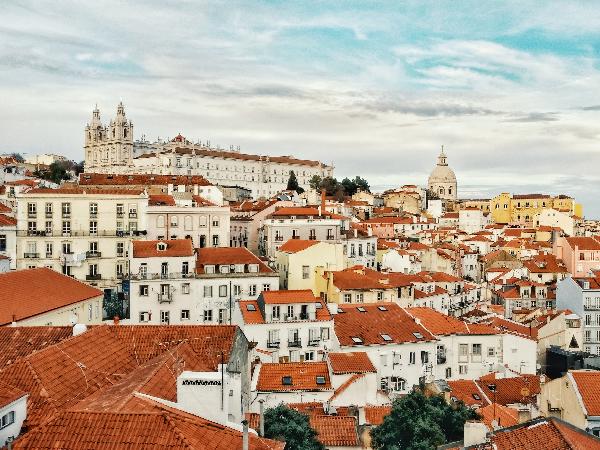
Portugal’s hilly, coastal capital city is known for its unique charm, pastel-colored buildings, historic trams, and melancholic Fado music. It’s a city of seven hills, offering breathtaking viewpoints (miradouros) at every turn.
Key Attractions
Belém Tower: A 16th-century fortified tower on the Tagus River, a symbol of Portugal’s Age of Discoveries and a UNESCO World Heritage site.
Jerónimos Monastery: Another magnificent Manueline-style masterpiece in Belém, where explorer Vasco da Gama is entombed.
Alfama District: The oldest district in Lisbon, a maze of narrow streets, small squares, and home to the São Jorge Castle. It’s the heart of Fado music.
Tram 28: Taking a ride on this historic yellow tram is a classic Lisbon experience, winding through the city’s most picturesque neighborhoods.
LX Factory: A revitalized industrial complex under the 25 de Abril Bridge, now a trendy hub for shops, restaurants, and cafes.
Food & Drink
Pastéis de Belém: The original and most famous custard tarts, best enjoyed warm with a sprinkle of cinnamon from the Antiga Confeitaria de Belém.
Bacalhau: Salted cod, prepared in hundreds of different ways (“bacalhau à brás” is a must-try).
Ginjinha: A sour cherry liqueur, often served in a small chocolate cup.
Sardines: Grilled fresh sardines are a staple, especially during the Festas de Lisboa in June.
Transportation & Accommodation
Lisbon’s Humberto Delgado Airport (LIS) is the main international gateway. The city has an efficient metro system, buses, and trams. The Lisboa Card can offer good value for unlimited public transport and free/discounted museum entry. For accommodation, neighborhoods like Baixa, Chiado, and Príncipe Real are central and well-connected. For a more local vibe, consider Alfama or Graça.
2. Toledo, Spain
A short train ride from Madrid, Toledo is a monumental city known as the “City of Three Cultures” for its historical co-existence of Christians, Muslims, and Jews. Its old town is a UNESCO World Heritage site, perched on a hill overlooking the Tagus River.
Key Attractions
Toledo Cathedral: A stunning example of High Gothic architecture with an intricate altarpiece and a collection of art by El Greco.
Alcázar of Toledo: A massive stone fortress dominating the city’s skyline, now housing the Army Museum.
Synagogue of Santa María la Blanca: A beautiful former synagogue showcasing Mudejar architecture, built by Islamic architects for Jewish use.
Museum of El Greco: Dedicated to the painter Doménikos Theotokópoulos, who spent much of his life in Toledo.
Wander the Old Town: Getting lost in the labyrinthine streets is the best way to discover hidden courtyards and medieval atmosphere.
Food & Drink
Partridge Stew (Perdiz Estofado): A traditional Toledo dish, often slow-cooked with wine and vegetables.
Mazapán: Toledo is famous for its marzipan, a sweet confection made from almonds and sugar.
Carcamusas: A hearty local stew made with pork, tomatoes, and peas.
Transportation & Accommodation
Toledo is easily accessible by high-speed train (AVE) from Madrid’s Atocha station in about 30 minutes. Buses are also available but take longer. The city is best explored on foot. Staying within the walled old town allows for an immersive medieval experience, especially after day-trippers have left.
3. Madrid, Spain
The vibrant Spanish capital is a city of elegant boulevards, expansive parks, world-class art museums, and a legendary nightlife. It pulses with energy from its grand plazas to its cozy tapas bars.
Key Attractions
Prado Museum: Home to one of the world’s finest collections of European art, with masterpieces by Velázquez, Goya, and El Greco.
Royal Palace: The official residence of the Spanish Royal Family, it is the largest functioning royal palace in Europe.
Retiro Park: A 125-hectare green oasis in the city center, perfect for boating on the lake, visiting the Crystal Palace, or simply strolling.
Puerta del Sol & Plaza Mayor: The bustling heart of Madrid, with Sol being the symbolic center of Spain (Kilometer Zero) and Mayor being a grand, enclosed square.
Reina Sofía Museum: Showcases 20th-century art, including Picasso’s monumental anti-war painting, “Guernica.”
Food & Drink
Cocido Madrileño: A hearty chickpea-based stew, perfect for a cold day.
Churros con Chocolate: Deep-fried dough strips dipped in thick, rich hot chocolate, famously from Chocolatería San Ginés.
Tapeo: Go on a tapas crawl in the neighborhoods of La Latina or Las Letras. Try “bocadillo de calamares” (fried squid sandwich) around Plaza Mayor.
Spanish Ham (Jamón Ibérico): Sample this delicacy at a specialized bar or market like Mercado de San Miguel.
Transportation & Accommodation
Madrid-Barajas Airport (MAD) is a major international hub. The city’s metro system is extensive, efficient, and easy to navigate. Key areas to stay include Sol/Gran Vía for centrality, Salamanca for upscale shopping, and Malasaña/Chueca for a trendy, vibrant atmosphere.
4. Zaragoza, Spain
Situated between Madrid and Barcelona, Zaragoza is the capital of the Aragon region. It is a city often overlooked by tourists but rich in history, centered around its magnificent Basilica and Roman past.
Key Attractions
Basilica del Pilar: A massive baroque church on the banks of the Ebro River, famous for its domed towers and the revered statue of the Virgin Mary.
Aljafería Palace: An 11th-century Islamic palace-fortress that is a superb example of Hispano-Islamic architecture and later served as a residence for Aragonese kings.
La Seo Cathedral: Located next to the Basilica, this cathedral showcases a mix of architectural styles from Romanesque to Baroque.
Roman Walls & Teatro Caesaraugusta: Remnants of the city’s origins as a Roman colony named Caesaraugusta.
Food & Drink
Ternasco de Aragón: A roast suckling lamb specific to the region.
Migas: A humble but delicious dish of fried breadcrumbs typically mixed with chorizo and grapes.
Borrajas: A local vegetable often cooked with olive oil and garlic.
Transportation & Accommodation
Zaragoza is a major stop on the high-speed train line between Madrid and Barcelona. The city center is very walkable. Staying near the Pilar Basilica puts you in the heart of the historic center.
5. Barcelona, Spain
The cosmopolitan capital of Catalonia is famed for its unique art and architecture, vibrant street life, and beautiful beaches. It is the city of Antoni Gaudí, whose fantastical buildings define its cityscape.
Key Attractions
Sagrada Família: Gaudí’s unfinished masterpiece and Barcelona’s most iconic landmark, a basilica that blends Gothic and Art Nouveau forms.
Park Güell: A whimsical public park designed by Gaudí, featuring colorful mosaics, unique structures, and panoramic city views.
Gothic Quarter (Barri Gòtic): The historic heart of the old city, with narrow medieval streets, the Barcelona Cathedral, and charming plazas.
Casa Batlló & La Pedrera: Two more of Gaudí’s revolutionary residential buildings on the Passeig de Gràcia.
Las Ramblas: The famous tree-lined pedestrian street running through the city center, always buzzing with activity (be mindful of pickpockets).
Food & Drink
Paella: While originating in Valencia, Barcelona serves excellent seafood paella. Avoid places that display it pre-made.
Tapas: Enjoy patatas bravas (spicy potatoes), pan con tomate (bread with tomato), and jamón at bars in El Born or Gràcia.
Cava: Catalonia’s famous sparkling wine.
Crema Catalana: A creamy custard dessert with a caramelized sugar top, similar to crème brûlée.
Transportation & Accommodation
Barcelona-El Prat Airport (BCN) serves the city. The metro system is comprehensive. The Hola BCN! travel card is good for unlimited public transport. Popular areas to stay include Eixample for its modernista architecture, El Born for its trendy boutiques and bars, and Gràcia for a more bohemian, village-like feel.
6. Valencia, Spain
The birthplace of paella, Valencia beautifully balances its historic old town with the stunningly modern City of Arts and Sciences. It is a vibrant city on Spain’s eastern coast.
Key Attractions
City of Arts and Sciences (Ciudad de las Artes y las Ciencias): A futuristic architectural complex designed by Santiago Calatrava and Félix Candela. It includes an opera house, science museum, IMAX cinema, and Europe’s largest aquarium.
Valencia Cathedral: A mixture of architectural styles said to house the Holy Grail. Climb the Miguelete bell tower for fantastic views.
Central Market (Mercado Central): One of Europe’s largest fresh food markets housed in a beautiful Modernist building.
La Lonja de la Seda: The Gothic-style Silk Exchange, a UNESCO World Heritage site symbolizing Valencia’s 15th-century golden age.
Turia Gardens:
A vast park created in the former riverbed of the Turia River, winding through the city and perfect for cycling or walking.