A Comprehensive Travel Guide: The Arctic Circle Route from Rovaniemi to Kirkenes
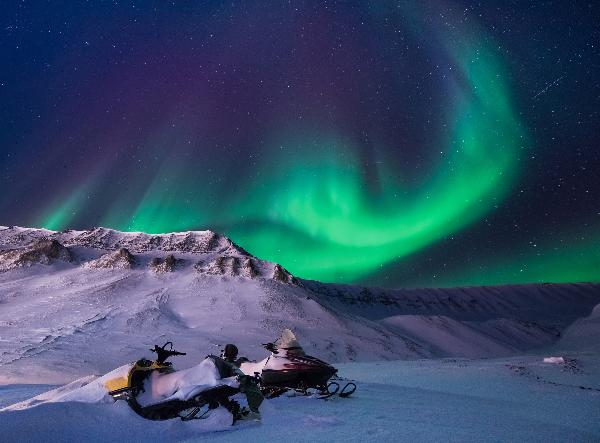
This guide details an unforgettable journey through the heart of the European Arctic, traversing from the Finnish Lapland’s capital, Rovaniemi, north through the fells of Saariselkä, to the coastal Norwegian frontier town of Kirkenes, and back. This route offers a profound immersion into Sami culture, breathtaking natural phenomena like the Northern Lights, and unique Arctic adventures across two distinct Nordic nations.
Introduction to the Region
The area spanning Finnish Lapland and Norway’s Finnmark county is one of Europe’s last great wildernesses. Characterized by vast taiga forests, rolling fells, frozen rivers, and a dramatic coastline, it is the traditional home of the Sami people. Travelers here experience the stark beauty of the Arctic, where life is dictated by the seasons—from the Midnight Sun in summer to the profound darkness and magical Aurora Borealis of winter. This specific itinerary is ideally undertaken between December and March for winter activities and optimal Northern Lights viewing.
Part 1: Rovaniemi, Finland – The Gateway to Lapland
Rovaniemi, the capital of Finnish Lapland, is famously known as the official hometown of Santa Claus. Situated just south of the Arctic Circle, it serves as a perfect starting point for any Lapland adventure, blending modern amenities with pristine nature.
Main Attractions in Rovaniemi
Santa Claus Village: Located directly on the Arctic Circle line, this festive complex is home to Santa’s Post Office, where letters from children all over the world are received. Visitors can meet Santa Claus year-round, cross the Arctic Circle line, and get a certificate to prove it.
Arktikum Science Centre and Museum: A magnificent museum and science center that delves into the history, culture, and environment of the Arctic. Its long glass tunnel offers a stunning architectural experience, especially under the Northern Lights.
Pilke Science Centre: A hands-on museum focused on sustainable forestry in Finland, offering interactive exhibits that are fun for all ages.
Ounasvaara Fell: A popular outdoor area just a short distance from the city center. It offers hiking trails in summer and excellent downhill and cross-country skiing, snowboarding, and snowshoeing trails in winter.
Northern Lights Hunting: Numerous local tour operators offer guided Aurora hunts, taking visitors away from city lights to dark, clear spots for the best chance of witnessing this celestial spectacle.
Food and Dining in Rovaniemi
Finnish Lapland’s cuisine is a testament to its pure nature.
Traditional Lappish Food: Seek out restaurants like Nili for authentic dishes such as sautéed reindeer (poronkäristys), Arctic char, and cloudberries with leipäjuusto (a squeaky cheese).
Salmon Soup (Lohikeitto): A creamy, hearty soup that is a Finnish staple, perfect for warming up after a day in the snow.
Modern Nordic Cuisine: Rovaniemi also boasts several fine-dining establishments that put a contemporary twist on local ingredients.
Transportation in and out of Rovaniemi
By Air: Rovaniemi Airport (RVN) has regular flights from Helsinki, making it easily accessible internationally.
By Train: The VR Finnish Railways offers overnight and daily train services from Helsinki to Rovaniemi, a scenic and comfortable journey.
Local Transport: The city center is walkable, but renting a car provides the most flexibility for exploring the surrounding areas. Buses also connect major attractions.
Accommodation Tips for Rovaniemi
Accommodation ranges from city-center hotels like Scandic Rovaniemi to unique Arctic experiences.
Glass Igloos: Resorts like Arctic SnowHotel & Glass Igloos offer the chance to sleep under the stars (and potentially the Northern Lights) in a thermally insulated glass roof cabin.
Wilderness Cabins: For a more rustic experience, rent a log cabin equipped with a sauna by a lake or in the forest.
Santa Claus Village: Stay in the heart of the action at the Santa’s Hotel or holiday village apartments.
Part 2: Saariselkä, Finland – The Heart of the Fells
The journey north from Rovaniemi (approximately a 3-4 hour drive) leads to Saariselkä, a renowned resort village nestled among some of Finland’s most beautiful fells. It is less commercial than Rovaniemi and offers a more rugged and authentic Lapland experience, centered around outdoor activities.
Main Attractions in Saariselkä
Urho Kekkonen National Park: One of Finland’s largest national parks, starting right from the edge of Saariselkä. It offers well-marked trails for hiking and skiing, and its vast wilderness is home to reindeer, bears, and arctic foxes.
Northern Lights Views: Due to its remote location and minimal light pollution, Saariselkä is one of the best places in Finland to see the Aurora Borealis. The top of Kaunispää Fell provides a panoramic viewing platform.
Saariselän Revontult: A dedicated Aurora Camp with a large teepee-style hut where visitors can warm up by the fire while waiting for the lights.
Dog Sledding and Reindeer Safaris: Essential Lapland experiences. Numerous local companies offer husky sledding tours through snowy forests and reindeer-pulled sleigh rides, often combined with cultural insights from Sami guides.
Snowmobile Safaris: Explore the frozen landscape on a snowmobile, with trips ranging from a few hours to multi-day expeditions across the fells.
Kakslauttanen Arctic Resort: Famous for its iconic glass igloos and unique snow igloo hotel, it’s a major attraction in the area, even for those not staying overnight.
Food and Dining in Saariselkä
The food scene is dominated by hearty, traditional fare designed to fuel outdoor adventures.
Hotel Restaurants: Most hotels, like Holiday Club Saariselkä or Lapland Hotels Saariselkä, have excellent restaurants serving high-quality Lappish buffets and à la carte menus.
Wilderness Cuisine: Many tour operators include a Lappish snack or meal in their safaris, such as grilling sausages over an open fire or enjoying blueberry tea and pulla (sweet cardamom bread) in a kota (Sami hut).
Transportation to and from Saariselkä
By Car/Bus: The main route is Highway 4 (E75) north from Rovaniemi. Regular long-distance buses also connect Rovaniemi to Saariselkä.
By Air: Ivalo Airport (IVL), located about 30 minutes from Saariselkä, receives flights from Helsinki and is a convenient entry point for the region.
Local Transport: Having a car is advantageous for exploring freely. Otherwise, most activities include pick-up and drop-off from local hotels.
Accommodation Tips for Saariselkä
Fellside Hotels and Apartments: Options like Lapland Hotels Saariselkä offer modern comfort with stunning views of the fells.
The Glass Igloo Experience: Kakslauttanen Arctic Resort is the most famous, but other options like Northern Lights Village also offer similar glass-roofed accommodation.
Wilderness Cabins: For self-catering, renting a log cabin from a local provider offers privacy and an authentic feel.
The Journey North: Saariselkä to Kirkenes, Norway
The drive from Saariselkä to Kirkenes is an adventure in itself, covering approximately 300 kilometers (186 miles) and taking around 4-5 hours. The landscape transitions from forested Finnish fells to the more barren, dramatic coastline of Norway’s far north. The border crossing at Näätämö/Neiden is straightforward for EU/Schengen citizens.
Part 3: Kirkenes, Norway – The Arctic Frontier
Kirkenes is a small but resilient town located further east than Istanbul and just a few miles from the Russian border. It has a rich history tied to mining and World War II and is now a hub for Arctic fishing and tourism, famously known as the terminus of the Hurtigruten coastal ferry.
Main Attractions in Kirkenes
The Snowhotel (Kirkenes Snowhotel): Rebuilt every winter entirely from snow and ice, this hotel features spectacular ice sculptures, an ice bar, and even an ice chapel. Visitors can take a tour or brave a night’s stay in thermal sleeping bags.
King Crab Safari: The flagship experience of Kirkenes. Join a boat or snowmobile safari onto the frozen fjord to help pull up traps filled with giant King Crabs. The adventure culminates in a feast where the freshly caught crab is boiled and served.
Grenseland Museum: This museum provides fascinating insights into the history of Kirkenes, including its rapid reconstruction after being heavily bombed in WWII and its unique position as a border town with Russia.
Andersgrotta Bomb Shelter: A massive civilian air-raid shelter from WWII that offers guided tours, revealing stories of survival during the war.
Hurtigruten Coastal Ferry: Many travelers choose to either start or end their journey here with the iconic Hurtigruten voyage along Norway’s stunning coastline.
Food and Dining in Kirkenes
The Barents Sea provides Kirkenes with its culinary identity.
King Crab (Kongeskrabbe): The undisputed king of local cuisine. It is typically served simply boiled with bread, mayonnaise, and a lemon wedge to let the sweet, delicate flavor shine.
Other Seafood: Look for cod, halibut, and salmon, all freshly caught from the cold, clean Arctic waters.
Sami Influences: Some restaurants incorporate reindeer and other traditional Sami ingredients into their menus.
Transportation in and out of Kirkenes
By Air: Kirkenes Airport, Høybuktmoen (KKN), has direct flights to Oslo and other Norwegian cities.
By Car: The E6 highway connects Kirkenes to the rest of Norway, though it is a very long drive from the south.
By Hurtigruten: The coastal ferry calls at Kirkenes daily, making it a key transport link.
Local Transport: The town center is compact and walkable. Taxis and rental cars are available for trips further afield.
Accommodation Tips for Kirkenes
The Snowhotel: For a unique one-night experience. Warm accommodation in traditional gamme huts or rooms is also available on-site for before or after your snow room stay.
Thon Hotel Kirkenes: A reliable and comfortable waterfront hotel that often serves as a hub for activity pick-ups.
Sollia Gjestegård: A charming, family-run mountain lodge about a 20-minute drive from town, offering peace and fantastic views.
The Return Journey: Kirkenes to Rovaniemi via Saariselkä
The return trip follows the same route south, but the perspective is different. This is an opportunity to revisit a favorite spot or try an activity you missed. Perhaps take a different snowmobile trail in Saariselkä or spend more time exploring Urho Kekkonen National Park. The drive allows for reflection on the contrasting landscapes and cultures experienced on this remarkable Arctic circuit.
Sami Cultural Insights
The Sami are the indigenous people of Sápmi, which encompasses northern parts of Norway, Sweden, Finland, and Russia. Respecting their culture is paramount.
Sami Siida (Village) Visits: Look for ethical tour operators who collaborate with Sami communities. These visits can include reindeer feeding, learning about traditional livelihoods, listening to joik (traditional song), and understanding their deep spiritual connection to nature.
Sami National Day: Celebrated on February 6th, it’s a vibrant time to witness traditional clothing (gákti) and celebrations.
Souvenirs: Purchase authentic Sami handicrafts (duodji) such as knives (leukku), silver jewelry, or woven baskets from certified Sami shops rather than mass-produced imports.
Respectful Behavior: Always ask for permission before photographing people or their reindeer. Understand that reindeer herding is not a tourist attraction but a way of life and a core part of Sami culture.
Practical Travel Tips for the Arctic
Packing: Dress in thermal layers. A merino wool or synthetic base layer, an insulating mid-layer (fleece/wool), and a windproof and waterproof outer shell are essential. Insulated boots, warm socks, gloves, a hat, and a scarf are non-negotiable.
The Cold & Darkness: In deep winter, daylight is limited to a few hours of “blue light.” Embrace it. Use the time for activities and rest when it’s dark. Protect skin with moisturizer and lip balm.
Aurora Hunting: Be patient. Use Aurora forecast apps for KP index and cloud cover. Tours increase your chances as guides know the best locations.
Safari Etiquette: Listen carefully to safety briefings for activities like dog sledding and snowmobiling. The animals are working; treat them with respect by not approaching them wildly unless instructed by the guide.
Cuisine Courage: Be adventurous with food. Reindeer is lean, sustainable, and delicious. Cloudberries are a rare Arctic treasure.