A Comprehensive Travel Guide: Sydney to Canberra’s National Treasures
This guide details a journey from the vibrant metropolis of Sydney to the purpose-built capital city of Canberra, exploring its unique political and cultural landscape. The itinerary focuses on the iconic landmarks around the Central Basin of Lake Burley Griffin, including the National Capital Exhibition, the Royal Australian Mint, the Embassy precinct, Parliament House, and the Australian War Memorial, before returning to Sydney. This route offers a profound insight into Australia’s history, governance, and national identity.
Part 1: Sydney – The Harbour City Gateway
Sydney, the capital of New South Wales, is Australia’s most famous city, known for its stunning harbour, iconic architecture, and vibrant culture. While the final destination is Canberra, Sydney often serves as the starting point for many travelers’ Australian adventures.
Key Attractions in Sydney
Sydney Opera House: More than just a performing arts venue, it is a global icon of architectural brilliance. Guided tours are available to appreciate its history and design.
Sydney Harbour Bridge: Affectionately known as “The Coathanger,” visitors can walk or cycle across it, or for the adventurous, embark on the BridgeClimb for unparalleled views.
The Rocks: This historic area, the birthplace of modern Sydney, offers cobblestone lanes, weekend markets, heritage pubs, and museums.
Bondi Beach: A world-famous beach perfect for swimming, surfing, or walking the scenic coastal path to Coogee Beach.
Royal Botanic Garden: Located beside the Opera House, these gardens provide a tranquil escape with beautiful views of the harbour.
Sydney Food Recommendations
Sydney’s food scene is a reflection of its multicultural fabric. Must-try experiences include:
Fresh Seafood: Enjoy fish and chips at Doyle’s on Watson’s Bay or a premium seafood platter at a Circular Quay restaurant.
Asian Cuisine: Explore the diverse offerings in Chinatown or sample modern Asian-Australian fusion in neighborhoods like Surry Hills.
Brunch Culture: Sydney is renowned for its cafe culture. Indulge in avocado smash and a flat white at a trendy cafe in Newtown or Paddington.
Fine Dining: For a special occasion, book a table at Quay or Aria for exquisite food with Opera House views.
Sydney Transportation
Sydney has an extensive public transport network using the Opal card system. The train from Sydney Airport (SYD) to the city centre (Central Station) is the quickest way to get downtown. Ferries are a scenic and practical way to travel between harbour-side suburbs. Ride-sharing, taxis, and a robust bus network cover the entire metropolitan area.
Sydney Accommodation Tips
Accommodation ranges from luxury hotels in Circular Quay and The Rocks to boutique hotels in Surry Hills and Darlinghurst, and budget-friendly hostels in areas like Kings Cross. For a beachside stay, consider Manly or Bondi.
The Journey from Sydney to Canberra
The distance from Sydney to Canberra is approximately 290 kilometers (180 miles). The drive by car takes around 3 to 3.5 hours via the Hume and Federal Highways. Regular coach services (e.g., Greyhound, Murrays) operate between the two cities, with a similar travel time. Alternatively, daily flights connect Sydney Airport (SYD) with Canberra Airport (CBR), with a flight time of about one hour.
Part 2: Exploring Canberra’s National Triangle
Canberra, Australia’s capital city, is a meticulously planned metropolis centered around the artificial Lake Burley Griffin. Designed by American architect Walter Burley Griffin, its layout is symbolic, with key institutions forming a “Parliamentary Triangle.”
Lake Burley Griffin
This man-made centerpiece is the heart of Canberra, created in 1963 after the damming of the Molonglo River. It’s not just a beautiful body of water but a recreational hub that separates the city’s commercial north from the parliamentary south.
Activities: Visitors can enjoy cycling or walking the paths that encircle the lake, renting a paddle boat, or taking a scenic cruise.
Key Vistas: The lake is framed by stunning views of Parliament House, the Australian War Memorial, and Black Mountain.
Captain Cook Memorial Jet: A powerful water jet located on the central basin that shoots water 147 meters into the air, best viewed from the foreshore.
National Capital Exhibition
Located on the northern shore of Lake Burley Griffin in Commonwealth Park, this free exhibition is the perfect starting point for understanding Canberra.
Introduction: It tells the story of the international competition to design the capital and the vision of Walter Burley Griffin and his wife Marion Mahony Griffin.
What to See: The exhibition features original drawings, models, photographs, and interactive displays that detail the city’s creation and development.
Visitor Information: It provides essential context that enriches the experience of seeing the city’s layout and landmarks firsthand.
Royal Australian Mint
As the place where all of Australia’s circulating coins are produced, the Royal Australian Mint in Deakin offers a unique glimpse into currency production.
Introduction: It is the first mint in Australia not to be a branch of the Royal Mint in London. It opened in 1965 in preparation for decimal currency in 1966.
The Experience: Visitors can view the production floor from a gallery, see robotic trolleys moving coins, and watch numismatists hand-craft collector coins. A highlight is striking your own $1 coin as a souvenir.
Exhibits: The mint houses an extensive collection of historical and commemorative coins, detailing Australia’s numismatic history.
Embassy Area (Yarralumla)
The suburb of Yarralumla is home to a significant number of foreign embassies and high commissions. A drive or walk through these streets is like a mini architectural world tour.
Introduction: Many countries have built embassies that reflect their national architectural styles, making this precinct visually fascinating.
Notable Embassies: Look for the traditional Chinese architecture of the Chinese Embassy, the pagoda-style roof of the Thai Embassy, the modernist USA Embassy, and the grand brickwork of the British High Commission.
Cultural Insight: This area symbolizes Australia’s diplomatic relationships and its place in the global community. It is important to remember that these are working diplomatic missions; respect private property and do not trespass.
Australian Parliament House
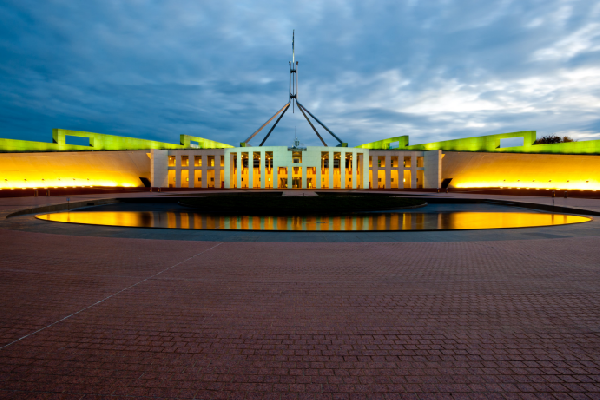
The seat of Australia’s federal government, this iconic building is an architectural marvel built into Capital Hill.
Introduction: Opened in 1988 by Queen Elizabeth II, it replaced the provisional Parliament House. Its design is meant to be open and accessible to the people.
Key Features:
- The massive 81-meter flagpole is a dominant feature, visible from all over the city.
- The Great Veranda offers spectacular views across the lake to the War Memorial.
- The Forecourt features a magnificent mosaic design by Aboriginal artist Michael Tjakamarra Nelson.
- Inside, visitors can view the public galleries of the House of Representatives and the Senate (when parliament is not sitting), and see the Grand Hall with its famous tapestry based on a Arthur Boyd painting.
Tours: Free guided tours are available, or visitors can explore at their own pace with a map.
Australian War Memorial
This is not just a memorial but one of Australia’s most important museums and shrines. It is a deeply moving and essential visit.
Introduction: Commemorating the sacrifice of Australians who have died in war, it integrates a shrine, a world-class museum, and an extensive archive.
The Commemorative Area: Includes the Hall of Memory, under which lies the Tomb of the Unknown Australian Soldier, and the Pool of Reflection. The Roll of Honour lists the names of over 103,000 Australian servicemen and women who have died in conflict.
Museum Galleries: The memorial houses an incredible collection of aircraft, vehicles, artifacts, and personal stories from all major conflicts involving Australians, from colonial times to present-day peacekeeping missions.
The Last Post Ceremony: Held daily at 4:55 pm, this poignant ceremony dedicates itself to one individual on the Roll of Honour, telling their story before the Last Post is played. It is a powerful and respectful experience.
Canberra Food Recommendations
Canberra’s dining scene has matured into a sophisticated foodie destination, with a strong focus on local produce from the surrounding region.
Local Produce: Seek out restaurants showcasing cool-climate wines from the Canberra District, cheeses from nearby dairies, and truffles from Robertson.
Civic & Braddon: The city centre (Civic) and the trendy adjacent suburb of Braddon are packed with cafes, breweries (like BentSpoke Brewing Co), and innovative eateries offering everything from modern Australian to Asian street food.
Manuka & Kingston: These older, more established suburbs offer a range of fine dining restaurants, cosmopolitan cafes, and bustling eateries perfect for a post-sightseeing meal.
National Institutions: Many of the major attractions have excellent on-site cafes or restaurants. The café at the War Memorial and Queen’s Terrace Café at Parliament House are both reliable options.
Canberra Transportation
The best way to explore the Parliamentary Triangle is by car, bicycle, or using Canberra’s public bus network, Transport Canberra. A MyWay card is required for bus travel. Ride-sharing services are also widely available. Many of the attractions are spread out, so planning your route is essential. A scenic way to travel between some points is via the Lake Burley Griffin ferry service.
Canberra Accommodation Tips
Canberra offers a wide range of accommodation. For proximity to national institutions, look for hotels in the inner-south suburbs like Barton or Forrest. The city centre (Civic) is ideal for those wanting access to shopping, dining, and nightlife. Serviced apartments are also a popular choice for families and longer stays.
The Return to Sydney
The journey back to Sydney follows the same routes. Travelers should plan for traffic when approaching Sydney, especially during peak hours. The trip offers a final chance to reflect on the contrast between Australia’s bustling, historic harbour city and its serene, symbolic capital.
Cultural Insights and Travel Tips
Sun Protection: The Australian sun is intense. A hat, sunglasses, sunscreen (SPF 50+), and drinking plenty of water are essential year-round.
Dress Code: Dress is generally casual, but smart-casual attire is appropriate for fine dining restaurants. When visiting places like the War Memorial or Parliament House, respectful clothing is recommended.
Tipping: Tipping is not obligatory in Australia as it is in some countries. It is appreciated for good service in restaurants (around 10%), but not expected for taxis or cafes.
Indigenous Culture: Acknowledge the Traditional Custodians of the land. Canberra is built on Ngunnawal Country. Seek out opportunities to learn about Aboriginal and Torres Strait Islander culture at institutions like the National Museum of Australia.
Book Ahead: For popular tours (like Parliament House or the Mint) and sought-after restaurants, making a booking in advance is highly recommended.
Respectful Conduct: At memorials and during ceremonies like the Last Post, maintain a quiet and respectful demeanor.