A Comprehensive Travel Guide: Salzburg and Berchtesgaden Salt Mine
This guide details a captivating journey through a unique cross-border region where Austrian Baroque elegance meets pristine Bavarian Alpine wilderness. The itinerary focuses on the city of Salzburg, Austria, and the historic Berchtesgaden Salt Mine in Germany, two destinations deeply intertwined by history, culture, and geography. Travelers can experience world-famous musical heritage, breathtaking mountain scenery, and a fascinating subterranean world, all within a short distance.
Introduction to the Region
The area surrounding Salzburg is a cultural and natural nexus. The city itself, the birthplace of Wolfgang Amadeus Mozart, is a UNESCO World Heritage site brimming with architectural splendor. Just across the German border, less than an hour away, lies the Berchtesgaden National Park, a protected area of stunning beauty, which is home to the historic Berchtesgaden Salt Mine (Salzbergwerk Berchtesgaden). This combination offers a rich tapestry of urban and natural attractions, making it an ideal destination for a multi-day trip.
Chapter 1: Salzburg, The City of Mozart
Salzburg, meaning “Salt Fortress,” owes its historical wealth and significance to the lucrative salt trade. Its well-preserved Altstadt (Old City), nestled between the Salzach River and the Mönchsberg mountain, is a masterpiece of Baroque architecture.
Key Attractions in Salzburg
Hohensalzburg Fortress (Festung Hohensalzburg): Dominating the city skyline, this is one of the largest and best-preserved medieval castles in Europe. Visitors can reach it via a funicular and explore its princely chambers, fortress museum, and the Marionette Museum, all while enjoying panoramic views of the city and the Alps.
Mirabell Palace and Gardens (Schloss Mirabell): A beautiful palace built by Prince-Archbishop Wolf Dietrich for his beloved Salome Alt. The geometrically arranged gardens, with their dwarfs’ garden, hedge theater, and the famous Pegasus Fountain, are a delight to explore. It is also a key filming location for “The Sound of Music.”
Salzburg Cathedral (Salzburger Dom): The city’s magnificent Baroque cathedral, with its imposing facade and grand dome. Its interior is richly decorated, and it houses the baptismal font where Mozart was baptized.
Getreidegasse: This famous, narrow shopping street is known for its ornate wrought-iron guild signs. It is home to Mozart’s Birthplace (Mozarts Geburtshaus) at No. 9, which is now a museum dedicated to the composer’s early life.
Hellbrunn Palace (Schloss Hellbrunn): Located just south of the city, this early Baroque villa is famous for its trick fountains (Wasserspiele), a series of playful and surprising water features designed to amuse guests. The grounds also include the “Sound of Music” pavilion and a large zoo.
Food and Drink in Salzburg
Salzburg’s cuisine is a hearty blend of Austrian and Bavarian influences.
Classic Dishes: Sample Wiener Schnitzel (a breaded and fried veal cutlet), Salzburger Nockerl (a sweet soufflé dessert representing the city’s three surrounding mountains), and Kasnocken (cheesy pasta dumplings).
Café Culture: Salzburg has a rich coffee house tradition. Visit historic cafes like Café Tomaselli or Café Bazar to enjoy a melange (coffee with milk) and a slice of cake like the famous Sacher-Torte.
Beer Gardens: Enjoy a locally brewed Stiegl beer in a traditional beer garden like Augustiner Bräu Kloster Mülln or the Stiegl-Keller, which offers fantastic views of the fortress.
Markets: The Grünmarkt on Universitätsplatz is perfect for trying local cheeses, sausages, and the iconic Bosna sausage sandwich.
Cultural Insights in Salzburg
Salzburg’s identity is deeply rooted in music and history. The Salzburg Festival, founded in 1920, is one of the world’s most prestigious music and drama festivals. The influence of the Prince-Archbishops, who ruled the city as an independent state for centuries, is evident in its grandiose ecclesiastical architecture. Respectful and quiet behavior is appreciated, especially in churches and during musical performances.
Chapter 2: Berchtesgaden Salt Mine (Salzbergwerk Berchtesgaden)
Venturing into the Berchtesgaden Salt Mine is a journey into the “white gold” that built this region. Operating since 1517, it is one of the oldest active salt mines in the world and offers a fun, educational, and unique experience for all ages.
The Salt Mine Experience
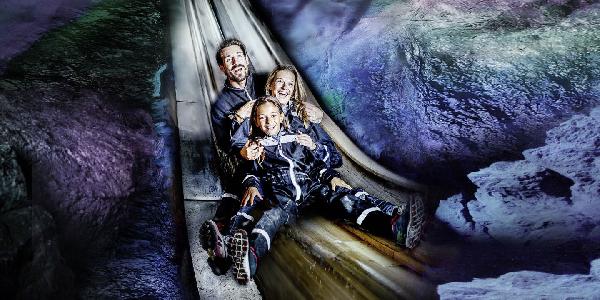
The tour is a well-organized adventure that lasts approximately one hour. Visitors are provided with protective miner’s overalls.
The Miner’s Slide: The tour begins with a thrilling descent down two long wooden slides, just as the miners did centuries ago to reach the deeper levels of the mine.
Underground Lake: A highlight of the tour is a boat ride across a mesmerizing mirror-smooth subterranean salt lake, illuminated by a light show that creates a magical atmosphere.
Train Ride: A small train takes visitors through narrow tunnels deeper into the mountain, offering a sense of the mine’s vast scale.
Multimedia Presentations: The tour uses modern media to explain the history of salt mining, from medieval techniques to modern-day brine extraction.
Practical Information for the Salt Mine
Location: Bergwerkstraße 83, 83471 Berchtesgaden, Germany.
Tickets: It is highly recommended to book tickets online in advance, especially during peak season (summer and holidays), to secure a preferred time slot.
What to Wear: The mine maintains a constant cool temperature of around 12°C (54°F). Warm clothing and sturdy, closed-toe shoes are essential. The protective overalls are provided over your clothes.
Accessibility: The tour involves slides, stairs, and a boat ride. It may not be suitable for visitors with severe mobility issues or claustrophobia. Check the mine’s website for detailed accessibility information.
Other Attractions in Berchtesgaden
While the salt mine is the primary draw, the Berchtesgaden area is part of a stunning national park worth exploring further.
Königssee: Often considered Germany’s most beautiful lake, Königssee is a fjord-like lake with emerald-green water surrounded by steep mountain walls. An electric boat trip to the St. Bartholomew’s pilgrimage church is a must-do.
Eagle’s Nest (Kehlsteinhaus): This mountain-top lodge was built as a 50th birthday present for Adolf Hitler. Today, it is a restaurant with breathtaking panoramic views of the Alps. Access is via a special bus and a brass elevator carved through the mountain.
Berchtesgaden Old Town: A charming Bavarian town with painted houses, a royal castle (Schloss Berchtesgaden), and a market square.
Chapter 3: Transportation and Logistics
Navigating between Salzburg and Berchtesgaden is straightforward.
From Salzburg to Berchtesgaden Salt Mine
By Car: The most flexible option. The drive takes about 40-50 minutes. Take the A10/E55 south towards Villach, then cross into Germany on the B305 towards Berchtesgaden. Ample paid parking is available at the salt mine.
By Public Bus: An efficient and scenic option. Take Bus 840 from Salzburg Hauptbahnhof (main train station) directly to Berchtesgaden. The journey takes about 50 minutes. From Berchtesgaden bus station, take Bus 837 or 838 to the “Salzbergwerk” stop. Check schedules for Bayern-Ticket or Salzburg-Verbund tickets for cost-effective regional travel.
By Organized Tour: Many tour companies in Salzburg offer day trips that include transportation, a guided tour of the salt mine, and sometimes other stops like Königssee.
Border Crossing
Both Austria and Germany are part of the Schengen Area, meaning there are no routine passport controls when crossing the border by car or bus. However, it is always advisable to carry your passport or a valid EU national ID card with you.
Getting Around Salzburg
Salzburg’s city center is very walkable. For longer distances, an efficient network of buses is available. The “Salzburg Card” offers excellent value, providing free entry to most major attractions and unlimited use of public transportation for 24, 48, or 72 hours.
Chapter 4: Accommodation Tips
Choosing where to stay depends on your travel preferences.
Staying in Salzburg
Pros: Lively atmosphere, wide range of restaurants and cultural events, excellent public transport. Ideal for those who want to immerse themselves in city life and music.
Areas: The Altstadt (Old Town) is the most picturesque but also the most expensive. Neustadt (New Town), across the river, offers more moderate prices while still being within easy walking distance of the main attractions.
Types: Options range from luxury hotels like Hotel Goldener Hirsch to charming guesthouses (Pensionen) and modern hostels.
Staying in Berchtesgaden
Pros: Peaceful, Alpine setting, direct access to hiking trails and natural attractions like Königssee. Perfect for nature lovers and those seeking tranquility.
Areas: The town of Berchtesgaden itself is central. For a more secluded experience, look for accommodation in surrounding villages like Schönau am Königssee.
Types: Predominantly family-run hotels, guesthouses (Gasthöfe), and holiday apartments that offer a traditional Bavarian experience.
Chapter 5: Sample Itineraries
The Classic 3-Day Itinerary
Day 1: Explore Salzburg. Morning: Hohensalzburg Fortress. Afternoon: Mozart’s Birthplace and a stroll through Getreidegasse. Evening: Dinner in a traditional restaurant and perhaps a classical concert.
Day 2: Berchtesgaden Salt Mine & Königssee. Morning: Travel to Berchtesgaden and take the salt mine tour. Afternoon: Take a boat trip on Lake Königssee to St. Bartholomew’s. Return to Salzburg in the evening.
Day 3: Salzburg’s Palaces and Departure. Morning: Visit Mirabell Palace and Gardens. Afternoon: Take a short bus ride to Hellbrunn Palace for the trick fountains before departing.
The In-Depth 5-Day Itinerary
Day 1 & 2: As above, exploring Salzburg in more depth, including the Cathedral, Residenz, and a Sound of Music tour.
Day 3: Full day in Berchtesgaden: Salt Mine in the morning, explore Berchtesgaden town and its castle in the afternoon. Overnight in Berchtesgaden.
Day 4: Deep exploration of Berchtesgaden National Park: A longer hike or a visit to the Eagle’s Nest (requires advance booking for the bus).
Day 5: Leisurely morning, perhaps one final Alpine walk or visit to the Dokumentation Obersalzberg museum for historical context, before departure.
Chapter 6: Practical Tips and Cultural Etiquette
Money Matters
Austria uses the Euro (€). Germany also uses the Euro. Credit cards are widely accepted in hotels and restaurants in Salzburg but it’s always wise to carry some cash, especially for smaller shops, markets, and buses. In more rural parts of Berchtesgaden, cash is often preferred.
Language
The official language in Salzburg is German. In Berchtesgaden, German (with a Bavarian dialect) is also spoken. English is commonly spoken in tourist areas, hotels, and restaurants in both locations. Learning a few basic German phrases like “Guten Tag” (Good day), “Danke” (Thank you), and “Bitte” (Please/You’re welcome) is always appreciated.
Tipping
In both Austria and Germany, service is usually included in the bill. However, it is customary to round up the bill or leave a tip of 5-10% for good service in restaurants and cafes. You should hand the tip directly to the server when paying.
Shopping and Souvenirs
Popular souvenirs from Salzburg include Mozartkugeln (Mozart balls—marzipan and nougat chocolates), traditional Dirndls and Lederhosen (though authentic ones are expensive), and Christmas ornaments (as Salzburg has famous Christmas markets). From Berchtesgaden, consider salt-based products from the mine or locally carved wooden crafts.
Conclusion
The journey from Salzburg to the Berchtesgaden Salt Mine encapsulates the very best of this central European border region: unparalleled musical history, awe-inspiring Baroque architecture, and dramatic natural landscapes shaped by centuries of human industry. This itinerary offers a perfect blend of cultural enrichment and adventurous exploration, providing memories that will last a lifetime. Whether you are sliding into a historic salt mine, listening to Mozart in his birthplace, or cruising on a crystal-clear Alpine lake, this corner of Austria and Germany promises an unforgettable travel experience.