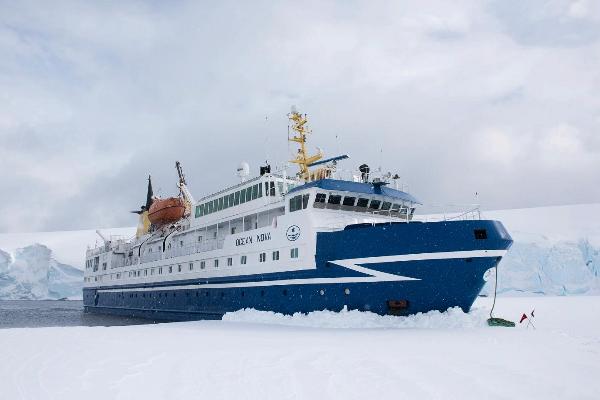
A Comprehensive Travel Guide: Punta Arenas, the South Shetland Islands & the Antarctic Peninsula
This guide details one of the most iconic and accessible routes for experiencing the majesty of the White Continent. The journey typically begins and ends in Punta Arenas, Chile, and voyages through the legendary Drake Passage to the South Shetland Islands and the spectacular western coast of the Antarctic Peninsula. It is an expedition into the planet’s last great wilderness, a place of profound silence, staggering beauty, and resilient wildlife.
Introduction to the Journey
The “Antarctic Peninsula” itinerary is the most popular Antarctic voyage for first-time visitors. Starting from the southernmost city of mainland Chile, travelers embark on a modern expedition vessel to cross the infamous Drake Passage. The reward for this journey is the exploration of the volcanic South Shetland Islands and the intricate waterways, towering glaciers, and wildlife-rich shores of the Antarctic Peninsula’s western coast. This is not a typical cruise; it is an expedition focused on discovery, education, and awe-inspiring encounters with nature in its purest form.
Part 1: Punta Arenas, Chile – The Gateway to Antarctica
Punta Arenas, perched on the Strait of Magellan, is more than just a departure point; it is a historic city with a rich Patagonian culture and a frontier spirit. Most Antarctic expeditions operating from Chile use Punta Arenas as their logistical hub, often for flights to and from King George Island, or as the port for embarking on ships.
Key Attractions in Punta Arenas
Cementerio Municipal Sara Braun: A national monument, this cemetery is an astonishing open-air museum of elaborate mausoleums and cypress trees, reflecting the wealth of the region’s early sheep-farming barons.
Museo Nao de la Victoria: A fascinating museum featuring full-scale replicas of historic ships, including the Nao Victoria (Magellan’s ship) and the James Caird used by Shackleton. It offers a tangible connection to the great age of exploration.
Mirador Cerro de la Cruz: A hilltop lookout offering a panoramic view of the city, the Strait of Magellan, and the distant island of Tierra del Fuego. It’s especially beautiful at sunset.
Palacio Sara Braun and Museo Regional Braun-Menéndez: These beautifully preserved mansions offer a glimpse into the opulent lifestyle of the powerful families who controlled the Patagonian wool trade in the late 19th and early 20th centuries.
Food and Drink
Punta Arenas is a great place to sample authentic Patagonian cuisine.
Cordero al Palo (Spit-Roasted Lamb): The iconic dish of the region. The lamb is slow-roasted over an open fire, resulting in incredibly tender and flavorful meat.
Centolla (King Crab): Fresh from the cold waters of the Strait, centolla is typically served cold with mayonnaise or in a rich soup.
Chorillana: A hearty dish of french fries topped with sliced beef, sausages, and fried eggs, perfect for sharing after a long day of exploring.
Calafate Sour: A local twist on the Pisco Sour, made with the berry of the Calafate bush. Local legend says whoever eats the berry is destined to return to Patagonia.
Accommodation Tips
Given its role as a gateway, it’s essential to book accommodation well in advance, especially during the peak Antarctic season (November to March). Options range from international chain hotels to charming boutique establishments. Many travelers choose to stay near the city center for easy access to restaurants, museums, and the waterfront.
Cultural Insights
Punta Arenas has a resilient character shaped by its isolation and harsh climate. The city’s history is deeply intertwined with European immigration, particularly from Croatia, which has influenced local culture. The legacy of the wool boom is evident in the grand architecture, while a strong maritime identity persists. It’s a city that looks both to the sea and to the vast, empty landscapes of Patagonia.
Part 2: The Drake Passage – The Legendary Crossing
The Drake Passage is the body of water between Cape Horn in South America and the South Shetland Islands of Antarctica. It is where the Atlantic, Pacific, and Southern Oceans converge, creating some of the most unpredictable seas on Earth.
The “Drake Lake” or “Drake Shake”: The crossing is famously variable. Travelers may experience a surprisingly calm “Drake Lake” or a turbulent “Drake Shake.” Expedition ships are built to handle these conditions, and medical staff are available to help with seasickness.
Onboard Life: The 2-day crossing (each way) is not downtime. Expedition teams fill the schedule with mandatory safety briefings, IAATO guidelines, and educational lectures on Antarctic history, geology, and wildlife. This is also a prime time for birdwatching, with Wandering Albatrosses, Giant Petrels, and Cape Petrels often following the ship.
Part 3: The South Shetland Islands – Antarctica’s Welcome Mat
This chain of islands is the first landfall after crossing the Drake Passage. They are characterized by volcanic landscapes, ice-covered mountains, and a surprisingly rich concentration of wildlife.
Key Attractions in the South Shetland Islands
Deception Island: A flooded volcanic caldera that ships can sail into through a narrow passage called Neptune’s Bellows. Inside, visitors can see the rusting remains of whaling stations and sometimes take a “polar plunge” in the thermally heated waters of Pendulum Cove.
Half Moon Island: A scenic and compact island home to a large colony of Chinstrap Penguins, as well as nesting Antarctic Terns and skuas. The backdrop of glacial mountains and icebergs is spectacular.
Hannah Point (Livingston Island): A wildlife hotspot where visitors can often see Macaroni and Chinstrap Penguins, Giant Petrels, and occasionally Elephant Seals and Fur Seals lounging on the beach.
Yankee Harbour (Greenwich Island): A historic site used by sealers in the 1820s, now home to a large Gentoo Penguin colony.
Research Stations: Several islands host international research stations, such as Chile’s Presidente Eduardo Frei Montalva base on King George Island, offering a glimpse into modern Antarctic scientific life.
Part 4: Antarctic Peninsula West Coast – The Main Event
The western coast of the Antarctic Peninsula is a labyrinth of stunning waterways, including the Gerlache Strait and the Lemaire Channel. It is here that travelers experience the quintessential Antarctic landscape: immense glaciers, jagged peaks, and vast ice shelves teeming with life.
Key Attractions on the Peninsula
The Lemaire Channel: Often called “Kodak Gap,” this narrow passage is flanked by sheer cliffs and glaciers. Navigating through it amidst towering icebergs is a highlight of any trip.
Paradise Bay: True to its name, this bay offers some of the most breathtaking scenery on the continent. Activities often include Zodiac cruises amongst icebergs of surreal blue hues and potential continental landings.
Neko Harbour & Danco Island: These sites offer opportunities to set foot on the Antarctic mainland itself. They are home to bustling Gentoo Penguin colonies and provide stunning vantage points for photography.
Port Lockroy: A historic British base from WWII that now operates as a museum and post office. It is one of the most visited sites in Antarctica and a chance to send postcards from the bottom of the world.
Cuverville Island: Home to one of the largest Gentoo Penguin colonies in Antarctica, this small, rocky island is a hive of activity, especially during the chick-rearing season (December-January).
Wilhelmina Bay: Known as “Whale-mina Bay” for its high concentration of Humpback whales during the summer feeding season. Zodiac cruises here are often accompanied by these magnificent creatures.
Wildlife Encounters
The Antarctic Peninsula is a sanctuary for wildlife. Travelers can expect to see:
Penguins: Gentoo, Chinstrap, and Adélie penguins are common, often seen in vast colonies called “rookeries.”
Seals: Weddell, Crabeater, Leopard, and Antarctic Fur Seals can be spotted hauled out on ice floes or beaches.
Whales: Humpback, Minke, and Orca (Killer) whales are frequently seen, especially in later summer (February-March) when feeding is most intense.
Seabirds: From majestic albatrosses in the Drake Passage to skuas, petrels, and cormorants around the islands.
Practical Travel Information
Best Time to Visit
The Antarctic travel season is short, running from November to March.
November-December: Late spring/early summer. Pristine snowscapes, courting penguins, and large icebergs.
January-February: Peak summer. Warmer temperatures, penguin chicks are hatching and growing, and whale activity increases.
March: Late summer. Fewer ships, excellent whale watching, and adult penguins are molting.
Transportation: How to Get There
The primary mode of transport is aboard an expedition cruise ship.
Fly-Cruise Options: Many operators offer flights from Punta Arenas to King George Island in the South Shetlands, bypassing the Drake Passage by air. This saves time (about 2 hours vs. 2 days) and avoids potential seasickness, but it is more expensive and subject to Antarctic weather delays.
Cruise-Only Options: The traditional method involves sailing both ways across the Drake Passage from Ushuaia (Argentina) or Punta Arenas. This is generally more affordable and offers the full “rite of passage” experience.
Ship Types: Vessels range from small yachts (under 50 passengers) offering intimate landings to larger ice-strengthened ships (up to 200 passengers) with more amenities. IAATO regulations allow only 100 people to land at a site at any one time, so smaller ships often have more flexible landing schedules.
Accommodation Onboard
Ships offer a range of cabins from basic twins to luxurious suites. All meals, prepared by international chefs, are included. Despite being in a remote location, the food onboard is typically excellent and plentiful, designed to fuel passengers for their daily adventures.
What to Pack
Base Layers: Merino wool or synthetic thermal underwear.
Mid Layers: Fleece or down jacket for insulation.
Outer Layer:A high-quality waterproof and windproof jacket and pants. Most expedition companies provide a parka for you to keep.
Footwear: Waterproof insulated boots for landings are almost always provided by the ship.
Accessories: Sunglasses, high-SPF sunscreen, gloves, a warm hat (beanie), a neck gaiter (buff), and swimwear for the polar plunge.
Equipment: Binoculars, cameras with extra batteries and memory cards (cold drains batteries quickly), and a dry bag for your camera gear during Zodiac transfers.
Cultural & Environmental Etiquette
Visiting Antarctica is a privilege governed by strict guidelines under the Antarctic Treaty System and enforced by IAATO (International Association of Antarctica Tour Operators).
Respect Wildlife: Always maintain a safe distance (typically 5 meters from penguins and seals, 15-25 meters from whales). Do not block their paths or make loud noises.
Leave No Trace: Nothing may be left behind. This includes food wrappers and even biodegradable items like apple cores.
Do Not Disturb: Do not touch or feed animals. Do not pick up rocks, bones, or any other natural objects.
Follow Your Guides:The expedition team are experts in safety and environmental protocols. Their instructions are mandatory.
The Expedition Mindset:Schedules are fluid and dictated by weather and ice conditions. Flexibility and a spirit of adventure are essential.
The Return: Punta Arenas and Beyond
The journey concludes with the return crossing of the Drake Passage and disembarkation in Punta Arenas. After such an intense experience, many travelers choose to spend a day or two decompressing in Chile. This is an excellent opportunity to reflect on the journey, share stories with fellow passengers, and explore more of Patagonia before flying home. The memories of icebergs calving with a thunderous roar, the cacophony of a penguin colony, and the profound silence of a pristine wilderness will last a lifetime.