A Comprehensive Travel Guide: Nairobi to Maasai Mara via the Laikipia Plateau
This guide details a classic Kenyan safari circuit, moving from the urban energy of the capital into the heart of the country’s most stunning wilderness areas. The journey from Nairobi to the Ol Pejeta Conservancy, down to the Lake Elmenteita region and the Soysambu Conservancy, culminating in the world-renowned Maasai Mara, offers a profound and diverse experience of East Africa’s landscapes, wildlife, and cultures.
Part 1: Nairobi – The Green City in the Sun
Nairobi, Kenya’s bustling capital, is more than just a transit point. It’s a vibrant, dynamic city that serves as a perfect introduction to the country.
Attractions & Experiences
Nairobi National Park: A unique phenomenon where a full-fledged national park with lions, rhinos, and giraffes exists against a backdrop of city skyscrapers. A morning game drive here is an incredible start to any safari.
David Sheldrick Wildlife Trust: A world-renowned elephant orphanage. Visiting during the public feeding hour (11am-12pm) is a heartwarming experience where you can learn about their conservation efforts and see baby elephants up close.
Giraffe Centre: Get eye-to-eye with the endangered Rothschild’s giraffe. You can feed them from a raised platform, an unforgettable encounter perfect for all ages.
Karen Blixen Museum: Located in the former home of the author of “Out of Africa,” this museum offers a glimpse into Kenya’s colonial past and the life that inspired the classic book and film.
Kazuri Beads & Utamaduni Craft Centre: For authentic Kenyan souvenirs, these are excellent stops. Kazuri employs single mothers to create beautiful, hand-painted ceramic beads, while Utamaduni is a collective of numerous craft shops.
Food & Dining
Nairobi’s culinary scene is diverse. In the leafy suburbs of Karen and Langata, you’ll find excellent restaurants like
The Talisman (fusion cuisine in a beautiful garden setting) and Carnivore, famous for its “Beast of a Feast” where various types of meat are carved at your table. For a more local experience, try nyama choma (grilled meat) at a bustling local joint.
Transportation
Jomo Kenyatta International Airport (NBO) is the main entry point. Within the city, Uber and Bolt are widely used, reliable, and affordable. For longer journeys and safaris, you will need a pre-booked vehicle with a driver-guide, typically a rugged 4×4 Land Cruiser or Safari Van.
Practical Tips
- Nairobi is at a high altitude (~1,795m / 5,889 ft), so the climate is milder than you might expect. Evenings can be cool.
- Traffic in Nairobi is notoriously heavy, so always factor in extra travel time for any appointments or flights.
- While many areas are safe, it’s advisable to be cautious with valuables and avoid walking alone at night in unfamiliar areas.
Part 2: Ol Pejeta Conservancy – A Conservation Beacon
Drive north from Nairobi (approximately 3-4 hours) into the Laikipia Plateau. Ol Pejeta is not a national park but a private, non-profit conservancy that has become a model for wildlife conservation in East Africa.
Attractions & Experiences
The Last Two Northern White Rhinos: Visit Najin and Fatu, the last two remaining northern white rhinos on Earth. Their story is a poignant reminder of the poaching crisis, and the conservancy’s advanced scientific efforts to save the subspecies are groundbreaking.
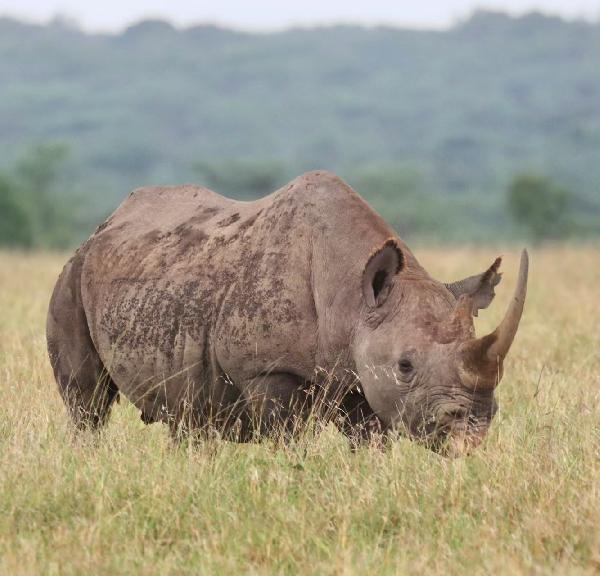
Baraka the Black Rhino: Meet Baraka, a blind black rhino who is a permanent resident of a specially protected enclosure. You can get remarkably close to him (under supervision) and learn about rhino behavior and conservation.
Chimpanzee Sanctuary: A surprise in the Kenyan bush, this sanctuary provides a home for chimps rescued from the black market and abusive situations across Africa. It’s a sobering but important visit.
Game Drives: Ol Pejeta has exceptionally high wildlife densities. It’s one of the best places in Kenya to see both black and white rhinos. You are also likely to see elephants, lions, reticulated giraffes, zebras, and various antelope.
Night Game Drives & Bush Walks: As a private conservancy, Ol Pejeta allows for activities not permitted in most national parks, offering a chance to see nocturnal animals and experience the bush on foot with an armed ranger.
Food & Accommodation
Accommodation ranges from luxury lodges like
Serena Sweetwaters Tented Camp to more rustic options. Meals are typically provided by your lodge. Many offer “sundowner” drinks in the bush, a magical experience of watching the sunset over the savannah with a drink in hand.
Cultural Aspect
Ol Pejeta works closely with surrounding communities. You can often arrange visits to local schools or villages to understand the human dimension of conservation and how community benefits are crucial for protecting wildlife.
Practical Tips
- The conservancy can be dusty, so pack a bandana or scarf.
- The focus here is on conservation; come with a mindset to learn and be inspired by the work being done.
Part 3: Lake Elmenteita & Soysambu Conservancy – The Rift Valley’s Hidden Gem
Leaving Ol Pejeta, you drive south (approximately 3 hours) descending into the Great Rift Valley. Lake Elmenteita, a UNESCO World Heritage Site as part of the Kenya Lake System, is a shallow, alkaline lake fringed by the Soysambu Conservancy.
Attractions & Experiences
Birdlife Spectacle: Lake Elmenteita is a birdwatcher’s paradise. It’s one of the most important breeding sites for Great White Pelicans in the world and hosts vast flocks of flamingos (lesser and greater). You’ll also see thousands of other waterbirds.
Soysambu Conservancy Game Drives: Soysambu is a working ranch and conservancy. Game drives here feel more exclusive and private. It’s an excellent place to see Rothschild’s giraffe, buffalo, eland, and zebra against the stunning backdrop of the lake and “Sleeping Warrior” hill.
Pelican Cycle: Witness the incredible sight of pelicans flying to Lake Nakuru to feed during the day and returning to Elmenteita in the evening.
Hiking and Walking: The conservancy offers fantastic opportunities for guided walks, allowing you to appreciate the smaller details of the ecosystem—tracks, plants, and insects.
Food & Accommodation
The lakeshore is dotted with charming lodges like
Lake Elmenteita Serena Camp and Sleeping Warrior Camp. Dining often features fresh produce and al fresco settings with breathtaking views of the lake.
Cultural Aspect
The area around Elmenteita is rich in history, with ancient sites like the “Njoro River Cave,” an archaeological site that revealed some of East Africa’s earliest evidence of human cremation. The local Kikuyu communities are integral to the region.
Practical Tips
- The lake levels fluctuate. In very dry seasons, the flamingo numbers may be lower as they move to other lakes in the system.
- This is a perfect spot for a relaxing break between more intense safari destinations. It’s ideal for photography and tranquility.
Part 4: Maasai Mara National Reserve – The Great Wilderness
The journey from Elmenteita to the Maasai Mara is significant (approximately 5-6 hours), but the destination is worth every minute. The Mara is arguably Africa’s greatest wildlife reserve, an extension of Tanzania’s Serengeti plains.
Attractions & Experiences
The Great Migration (Seasonal): From approximately July to October, the Mara is the stage for the Great Migration, where over a million wildebeest and hundreds of thousands of zebra cross from the Serengeti. Witnessing a river crossing—a chaotic, dramatic struggle for survival against crocodiles—is one of nature’s most awe-inspiring spectacles.
Year-Round Game Viewing: Even outside the migration, the Mara has an unparalleled density of predators. Lions are commonly seen, often in large prides. Leopards, cheetahs, hyenas, and jackals are also regularly spotted.
Hot Air Balloon Safari: An unforgettable way to experience the Mara. Drifting silently over the plains at dawn, watching wildlife below as the sun rises, is a truly magical experience, often followed by a champagne breakfast in the bush.
The Maasai People: The reserve is named after the iconic Maasai people. A visit to a genuine Maasai manyatta (village) is a cultural highlight. You can learn about their traditional nomadic lifestyle, intricate beadwork, and remarkable jumping dances.
Food & Accommodation
The Mara offers everything from basic campsites to ultra-luxury tented camps. “Tented camps” in Kenya are often far from basic; they provide comfortable beds, en-suite bathrooms, and gourmet dining. Meals are communal affairs, allowing you to share stories with other travelers. Bush breakfasts and lunches are common during full-day game drives.
Transportation Within the Mara
Game drives are conducted in your 4×4 vehicle. Many camps are located in private conservancies bordering the main reserve (e.g., Mara North, Olare Motorogi). These conservancies offer more exclusive game viewing with fewer vehicles and allow for off-road driving and night drives.
Practical Tips
- The Mara is vast. Don’t try to “cover” it all. Instead, find a good spot—a river bend or a valley—and sit patiently; the wildlife will often come to you.
- The roads within the reserve are rough tracks. It can be very dusty and bumpy; this is part of the adventure.
- Respect the animals. Always listen to your guide; they are highly trained professionals who ensure your safety and the well-being of the wildlife.
- Tipping your driver-guide and camp staff is customary and appreciated. Ask your tour operator for current guidelines.
The Return Journey: Maasai Mara to Nairobi
The drive back to Nairobi from the Mara takes approximately 5-6 hours by road. Alternatively, you can take a scheduled flight from one of the Mara’s several airstrips (e.g., Keekorok, Ol Kiombo) back to Wilson Airport (WIL) in Nairobi, which takes about 45 minutes. This flight option saves time and offers spectacular aerial views of the landscape you’ve just explored.
Final Travel Insights
Best Time to Visit: For general wildlife viewing, the dry seasons from late June to October and January to February are ideal as animals gather around water sources. The wildebeest migration is typically in the Mara from July to October.
Health & Safety: Malaria is present; consult your doctor for prophylaxis. Ensure your routine vaccinations are up-to-date. Drink only bottled or purified water.
Packing Essentials: Pack neutral-colored clothing (khaki, green, beige), a wide-brimmed hat, strong sunscreen, binoculars (absolutely essential), a good camera with a zoom lens, and a power bank for charging electronics during long game drives.
The Kenyan Spirit: Kenyans are generally warm and friendly people. A little Swahili goes a long way—learn greetings like “Jambo” (Hello) and “Asante Sana” (Thank you very much). This journey is more than a vacation; it’s an immersion into one of the planet’s last great wild places, leaving you with memories that will last a lifetime.