A Comprehensive Travel Guide: Munich, the Eagle’s Nest, and Berchtesgaden
This guide details a classic Bavarian itinerary, taking you from the vibrant capital of Munich to the breathtaking natural beauty and profound history of the Bavarian Alps, specifically focusing on the Obersalzberg area, the Eagle’s Nest, and the charming town of Berchtesgaden. This journey contrasts cosmopolitan energy with serene landscapes and somber historical reflection.
Part 1: Munich (München) – The Cosmopolitan Heart of Bavaria
Munich, the capital of the Free State of Bavaria, is a city that effortlessly blends traditional German culture with a modern, international vibe. It’s a city of world-class museums, sprawling beer gardens, lavish palaces, and a rich, sometimes dark, history.
Key Attractions in Munich
Marienplatz and the New Town Hall (Neues Rathaus): The central square and the heart of the city since 1158. The main attraction is the Glockenspiel in the tower of the New Town Hall, which chimes and reenacts two stories from the 16th century daily at 11 am, 12 pm, and (from March to October) 5 pm. The view from the tower is spectacular.
Frauenkirche (Cathedral of Our Blessed Lady): The iconic twin-domed church is a symbol of Munich. Its simple, Gothic interior is a stark contrast to its imposing exterior. Look for the “Devil’s Footprint” near the entrance.
Hofbräuhaus: The world’s most famous beer hall. Even if you’re not a beer drinker, the experience is essential. The bustling atmosphere, traditional Bavarian music, and massive steins of beer create an unforgettable scene.
English Garden (Englischer Garten): One of the world’s largest urban parks, larger than Central Park in New York. You can stroll, bike, relax by the Chinese Tower beer garden, or even watch surfers ride the standing wave in the Eisbach river.
Nymphenburg Palace: The magnificent summer residence of the Bavarian monarchs. The palace itself is stunning, but the vast park, with its hidden pavilions like the Amalienburg hunting lodge, is equally impressive.
Deutsches Museum: One of the world’s oldest and largest science and technology museums. It’s incredibly comprehensive, covering everything from astronomy to mining to musical instruments. Allocate at least half a day.
Viktualienmarkt: A daily food market near Marienplatz offering fresh produce, cheeses, meats, spices, and flowers. It’s a great place to grab a quick, authentic lunch.
Food and Drink in Munich
Bavarian cuisine is hearty and flavorful. Must-try dishes include:
Weißwurst: A traditional white veal sausage, typically eaten before noon. The proper way is to “zuzeln” (suck it out of the skin) or remove the skin with a knife and fork. Served with sweet mustard, a pretzel, and a wheat beer.
Schweinshaxe: A massive, roasted pork knuckle with crispy crackling, usually served with potato dumplings and sauerkraut.
Obatzda: A delicious, spiced cheese-butter spread made with camembert, butter, paprika, and onions, served with a pretzel.
Pretzels (Brezn): A staple accompaniment to any beer. They are large, soft, and sprinkled with coarse salt.
Beer: Munich is the beer capital of the world. Try a Helles (light lager), a Dunkles (dark lager), or the famous Hefeweizen (unfiltered wheat beer).
Transportation in Munich
Munich has an excellent public transportation system (MVV), consisting of U-Bahn (subway), S-Bahn (suburban train), trams, and buses. The system is integrated and efficient. Purchasing a day pass (“Tageskarte”) for the inner zone is often the most cost-effective option if you plan on taking more than two trips.
Practical Tips for Munich
- The Munich City Tour Card offers discounts on attractions and includes public transport. Calculate if it’s worth it for your itinerary.
- Store etiquette: Cash is still king in many traditional restaurants and smaller shops.
- For a more local beer garden experience, venture beyond the Hofbräuhaus to places like Augustiner-Keller or Hirschgarten.
Part 2: The Journey to Berchtesgaden and the Eagle’s Nest
The journey from Munich to Berchtesgaden is a scenic transition from urban landscape to alpine wonder. The most convenient way to make this day trip is by train or car.
Transportation Options
By Train: Take the regional train (Meridian) from Munich Hauptbahnhof (main station) directly to Berchtesgaden Hauptbahnhof. The journey takes about 2.5 to 3 hours and is incredibly picturesque, especially the final stretch along the Königssee Ache river. From Berchtesgaden station, you take bus 838 to the Dokumentation Obersalzberg and Eagle’s Nest bus departure point.
By Car: Driving from Munich to Berchtesgaden takes approximately 2 hours via the A8 motorway. It offers flexibility but note that parking in Berchtesgaden and at the Obersalzberg can be challenging and expensive during peak season.
By Organized Tour: Numerous companies offer day trips from Munich. This is the most hassle-free option as they handle all transportation and tickets for the Eagle’s Nest bus.
The Obersalzberg and its History
Before ascending to the Eagle’s Nest, it is crucial to understand the context of the Obersalzberg area. This was the Second Reich’s southern headquarters, a vast complex where Hitler, other high-ranking Nazis, and their staff lived and worked. The
Dokumentation Obersalzberg museum is an essential stop. This expertly curated exhibition documents the history of the Obersalzberg, the terror of the Nazi regime, and provides critical context for the Eagle’s Nest itself. It is built on top of parts of the original bunker system.
Ascending to the Eagle’s Nest (Kehlsteinhaus)
The Eagle’s Nest was a 50th birthday present for Adolf Hitler from the Nazi Party. Perched on the Kehlstein summit at 1,834 meters (6,017 ft), it was intended for state receptions. Importantly, Hitler rarely visited due to a fear of heights.
The Special Buses: Private vehicles are prohibited on the road to the Eagle’s Nest. You must take specially designed buses from the departure point near the Dokumentation Obersalzberg. The bus ride is an adventure in itself, navigating a steep, narrow, and winding road with dramatic drops.
The Brass Elevator: At the end of the bus route, a long, marble-lined tunnel leads into the mountain. Here, you board a lavish, polished brass elevator that ascends 124 meters (407 ft) through solid rock to reach the Eagle’s Nest itself.
The Summit Experience: The main draw is the stunning 360-degree panoramic view of the Bavarian and Austrian Alps, including the Hoher Göll and Watzmann mountains. On a clear day, the vista is unparalleled. The building itself now houses a restaurant. While it serves simple food and beer, dining here is more about the unique location than gourmet cuisine.
Practical Tips for Visiting the Eagle’s Nest
Check Opening Dates: The Eagle’s Nest is only accessible from mid-May to October, depending on snow conditions. Always check the official website before planning your trip.
Book Bus Tickets in Advance: During peak season, bus tickets can sell out. Booking online in advance is highly recommended to secure a spot.
Weather is Unpredictable: The mountain weather can change rapidly. Even on a sunny day in Berchtesgaden, it can be cold, windy, or foggy at the summit. Dress in layers and wear sturdy shoes.
Altitude: Be mindful of the altitude if you are sensitive to changes in air pressure.
Part 3: Berchtesgaden – Alpine Serenity
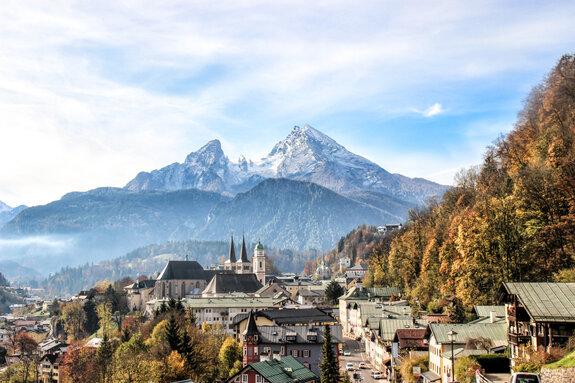
The town of Berchtesgaden is a picturesque alpine resort nestled in a valley and well worth exploring beyond its connection to Nazi history. It offers a more tranquil base than Munich and boasts its own stunning natural attractions.
Key Attractions in Berchtesgaden
Königssee (King’s Lake): Often considered Germany’s most beautiful lake, the Königssee is a fjord-like lake surrounded by steep mountain walls. The water is emerald green and exceptionally clean. Electric passenger boats (the only motors allowed) take visitors to various points:
St. Bartholomä: A picturesque pilgrimage chapel with onion domes on a peninsula. It’s the most popular stop.
Salet: From here, a short walk leads to the smaller Obersee lake, another gem of pristine beauty with the Röthbach waterfall cascading down at its far end.
The boat trip includes a demonstration of the famous echo, where a crewmember plays a flugelhorn against the rock faces.
Salt Mine (Salzbergwerk Berchtesgaden): Salt mining has been the region’s economic backbone for centuries. A visit to this active mine is a fun and educational experience. You don miners’ overalls, ride a small train deep into the mountain, slide down wooden miner’s slides, and cross an underground salt lake on a raft.
Watzmann Mountain: The second highest mountain in Germany, its dramatic face dominates the skyline around Berchtesgaden. It’s a major destination for experienced hikers and climbers.
Old Town (Altstadt): Stroll through the charming streets with painted houses, visit the Stiftskirche (collegiate church), and admire the Schloss Berchtesgaden, a former Augustinian monastery.
Food and Drink in Berchtesgaden
The cuisine here is similar to Munich’s but often features more freshwater fish from the local lakes and rivers.
Forelle (Trout): Often served grilled or “blau” (blue, poached in vinegar water).
Kaiserschmarrn: A shredded pancake with raisins, often served with apple or plum compote. A classic alpine dessert or main course.
Almbutterbrot: A simple but delicious open-faced sandwich with fresh alpine butter and radishes.
Practical Tips for Berchtesgaden
- The Berchtesgaden Guest Card (often provided by your accommodation) offers free use of local buses and discounts on major attractions like the Königssee boat trips and salt mine.
- If you have time, consider staying overnight in Berchtesgaden to fully experience Königssee and the surrounding hiking trails without feeling rushed.
- The town is an excellent base for hiking in the warmer months and skiing in the winter.
The Return Journey to Munich
The return trip to Munich follows the same route in reverse. After a day filled with mountain air and profound history, the train ride back provides a quiet moment to reflect on the stark contrasts experienced: from Munich’s lively beer halls to the solemnity of Obersalzberg and finally to the timeless, majestic beauty of the Alps at Königssee and the Eagle’s Nest.
Culminating Cultural Insights
This itinerary offers more than just sightseeing; it provides a deep dive into Bavarian culture and 20th-century European history.
“Gemütlichkeit”: This untranslatable German word embodies a state of warmth, friendliness, and good cheer. You’ll feel it in Munich’s beer gardens and Berchtesgaden’s cozy guesthouses.
A Confrontation with History: Visiting the Dokumentation Obersalzberg and the Eagle’s Nest is not a celebration but a sobering educational experience. It forces a confrontation with how such immense evil could originate in a place of such breathtaking beauty.
The Power of Nature: The Bavarian Alps are a reminder of nature’s enduring power and beauty, standing in silent contrast to the transient and destructive ideologies of mankind.
A Sample 3-Day Itinerary
Day 1: Explore Munich
- Morning: Marienplatz Glockenspiel, Frauenkirche, Viktualienmarkt.
- Afternoon: Deutsches Museum OR Nymphenburg Palace (choose based on interest).
- Evening: Dinner and beers at Hofbräuhaus or a traditional restaurant.
Day 2: Eagle’s Nest and Berchtesgaden Day Trip
- Morning: Take an early train from Munich to Berchtesgaden. From there, bus 838 to Dokumentation Obersalzberg. Spend 1.5-2 hours at the museum.
- Late Morning: Take the special bus up to the Eagle’s Nest. Explore the summit and have lunch.
- Afternoon: Return to Berchtesgaden town. Explore the Old Town or visit part of Königssee (e.g., just to St. Bartholomä if time is short).
- Evening: Return train to Munich.
Day 3: Deeper Dive or Munich Highlights
Option A (Nature): Take another day trip to Berchtesgaden to fully experience Königssee and Obersee or visit the Salt Mine.
Option B (City): Spend the day in Munich visiting English Garden, Residenz museum, or any sights missed on Day 1.
This journey from Munich to Berchtesgaden encapsulates the very soul of southeastern Bavaria—its vibrant culture, its complex history, and its awe-inspiring natural landscapes—offering an unforgettable travel experience that resonates long after you’ve returned home.