A Comprehensive Travel Guide: London, Seven Sisters, and Canterbury
This guide details a classic English journey, looping from the dynamic capital of London to the dramatic coastal scenery of the Seven Sisters cliffs and the profound historical heart of Canterbury. This itinerary offers a perfect blend of urban energy, breathtaking natural beauty, and centuries of history, all easily accessible within a few days.
Part 1: London – The Thriving Metropolis
London is a sprawling, world-class city steeped in history yet constantly evolving. A visit here is a sensory overload in the best possible way, with royal pageantry, world-renowned museums, cutting-edge theatre, and diverse culinary scenes waiting to be explored.
Key Attractions in London
The South Bank: A vibrant walk along the River Thames offers views of the Houses of Parliament and Big Ben. Key stops include the London Eye for panoramic city views, the Tate Modern art gallery housed in a former power station, and Shakespeare’s Globe Theatre.
Westminster & Royal London: Witness the Changing of the Guard at Buckingham Palace, explore the magnificent Westminster Abbey, and see the historic Houses of Parliament. A stroll through St. James’s Park provides a tranquil green escape.
The City of London: The historic financial district is where ancient and modern collide. See the ruins of a Roman Temple, walk across the iconic Tower Bridge, and delve into the formidable Tower of London, home to the Crown Jewels and Beefeaters.
Museum Quarter (South Kensington): Home to three of the world’s great museums—the Victoria & Albert Museum (art and design), the Natural History Museum, and the Science Museum—all offering free admission to their permanent collections.
Covent Garden & Soho: For shopping, dining, and entertainment, these adjacent districts are unmissable. Covent Garden features street performers and boutique shops, while Soho is the hub for nightlife, diverse restaurants, and theatre.
Food & Drink in London
London’s food scene is incredibly diverse. Beyond traditional pubs, it boasts everything from Michelin-starred restaurants to vibrant street food markets.
Traditional Pub Grub: Experience a classic British pub. Look for dishes like Fish & Chips (with mushy peas), a hearty Pie and Mash, or a Sunday Roast with Yorkshire pudding.
Afternoon Tea: An iconic British ritual. Options range from luxurious services at hotels like The Ritz or Fortnum & Mason to more casual offerings in department stores or quaint tea rooms.
International Cuisine: Explore the flavours of Brick Lane for Bangladeshi curries, Chinatown for dim sum, or Brixton Village for Caribbean and African food.
Food Markets: Borough Market is a foodie paradise with artisanal producers and ready-to-eat gourmet treats. Other excellent markets include Camden Market and Broadway Market.
Transportation in London
London’s public transport network, managed by Transport for London (TfL), is extensive and efficient.
The Tube (London Underground): The fastest way to cover long distances. It’s essential to get an Oyster card or use a contactless bank card for the cheapest fares. Mind the gap!
Buses: A fantastic way to see the city above ground. A single fare is cheaper than the Tube, and night buses operate when the Tube closes.
Walking: Many central attractions are within walking distance of each other. Exploring on foot often reveals hidden gems.
Black Cabs & Uber: Taxis are readily available but can be expensive. Ride-hailing apps like Uber are also widely used.
Accommodation Tips for London
London offers accommodation for every budget, but it is generally expensive. Location is key to saving time on transport.
Luxury: The Savoy, The Ritz, Claridge’s (Mayfair, West End).
Mid-Range: Boutique hotels in Covent Garden, South Kensington, or Paddington offer a good balance of location and comfort.
Budget: Look for well-reviewed hostels in areas like Earl’s Court, King’s Cross, or Paddington. Budget hotel chains like Premier Inn and Travelodge also have numerous central locations.
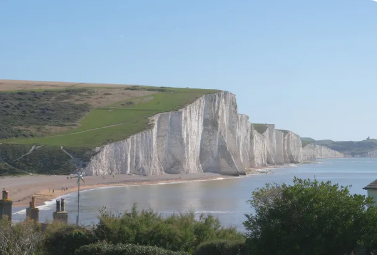
Part 2: Seven Sisters White Cliffs – Nature’s Grandeur
A short journey from London lies one of England’s most stunning natural landmarks: the Seven Sisters chalk cliffs. This series of rolling white cliffs along the Sussex coast offers dramatic sea views, fresh air, and a powerful sense of escape from the city bustle.
Key Attractions at Seven Sisters
The Cliff Walk from Seaford to Eastbourne: The most famous hike traverses the peaks of all seven sisters. The full walk is about 13 miles (21 km) and takes 5-7 hours. For a shorter walk, start from the Birling Gap car park.
Birling Gap: A popular access point to the beach nestled between the cliffs. It has a National Trust cafe, toilets, and a staircase leading down to the shingle beach. The area is eroding rapidly, showcasing the dynamic nature of the coast.
Belle Tout Lighthouse: A beautiful historic lighthouse perched atop the cliffs, now operating as a unique Bed and Breakfast. It offers a fantastic photo opportunity.
Beachy Head: At the end of the Seven Sisters walk (if starting from Seaford), Beachy Head is the highest chalk sea cliff in Britain, offering breathtaking but vertigo-inducing views.
Cuckmere Haven: A picturesque river estuary that meanders towards the sea, flanked by the cliffs. The iconic view of the meanders with the Sisters in the background is a photographer’s dream.
Food & Drink near Seven Sisters
Dining options are limited directly on the cliffs, so planning is advised.
Birling Gap Cafe (National Trust): Offers hot and cold drinks, sandwiches, cakes, and light meals with fantastic cliff-top views. A reliable spot for refreshment.
The Tiger Inn (East Dean): A charming traditional pub located in the beautiful village of East Dean, a short walk from Birling Gap. It serves excellent classic pub food and local ales.
Picnicking: The most rewarding option. Pack a picnic from a deli in Lewes or Brighton and enjoy it with unparalleled views from the top of the cliffs (taking all litter away).
Transportation to Seven Sisters
The cliffs are best accessed by train and bus from London.
By Train & Bus from London Victoria: Take a train to Brighton or Lewes. From Brighton station, catch the 12/12A/12X bus towards Eastbourne, alighting at “Seven Sisters Park” for the visitor centre or “Birling Gap” for direct access.
By Train & Bus from London Bridge: Take a train to Eastbourne. From Eastbourne station, take the 12/12A/13X bus towards Brighton, alighting at “Birling Gap” or “Seven Sisters Park”.
By Car: Driving offers flexibility. There are car parks at the Seven Sisters Country Park Visitor Centre and at Birling Gap. Note that these can fill up quickly on weekends and sunny days.
Accommodation Tips near Seven Sisters
Staying overnight allows for a more relaxed experience, especially for sunrise or sunset walks.
Eastbourne: The nearest sizable town, offering a wide range of hotels, B&Bs, and guesthouses. It’s a convenient base with good transport links.
Brighton: A vibrant seaside city with a famous bohemian character. It has abundant accommodation and nightlife, about a 30-minute drive or bus ride from the cliffs.
Unique Stays: For a special experience, consider booking the Belle Tout Lighthouse or a charming B&B in one of the nearby South Downs villages like Alfriston or East Dean.
Part 3: Canterbury – A Journey Through History
Canterbury in Kent is one of England’s most historic cities. As the seat of the Church of England, it has been a major pilgrimage site for centuries, a legacy immortalised in Geoffrey Chaucer’s “The Canterbury Tales.” Its medieval streets are filled with ancient buildings and a profound sense of history.
Key Attractions in Canterbury
Canterbury Cathedral: A UNESCO World Heritage Site and the mother church of the worldwide Anglican Communion. The stunning Gothic architecture, the site of Archbishop Thomas Becket’s murder in 1170, and the serene cloisters make this an unmissable visit. Allow several hours to fully appreciate it.
The Canterbury Tales: A lively and engaging attraction that recreates the stories of Chaucer’s pilgrims using audio guides, life-sized models, and smells. It’s a fun and accessible way to connect with medieval England.
St. Augustine’s Abbey: Another UNESCO site, these ruins mark the spot where St. Augustine re-established Christianity in England in 597 AD. It’s a peaceful and historically significant spot.
The Roman Museum: Built around the remains of an original Roman townhouse with a stunning mosaic floor, this museum offers an intriguing look into Canterbury’s Roman past (Roman ‘Durovernum Cantiacorum’).
Canterbury Historic River Tours: A gentle punt tour along the River Stour offers a unique perspective of the city’s gardens, bridges, and ancient buildings, including the back of the Cathedral precincts.
Food & Drink in Canterbury
Canterbury has a thriving food scene that blends traditional English fare with modern European influences.
The Goods Shed: A permanent farmers’ market and restaurant next to Canterbury West station. It’s a foodie destination where you can eat exceptionally fresh, locally-sourced produce in a bustling setting.
Historic Pubs: Canterbury is full of characterful old pubs. The Old Weaver’s House, dating back to the 14th century and built over the river, is a particular favourite.
International Cuisine: The city centre has a wide array of restaurants serving everything from Italian and French to Thai and Japanese cuisine.
Transportation to Canterbury
Canterbury is very well-connected by train from London.
By Train from London: Two main stations serve Canterbury.
Canterbury West (from London St Pancras International via High Speed service): Journey time approx. 55 minutes.
Canterbury East (from London Victoria): Journey time approx. 1 hour 30 minutes.
Both stations are a short 10-15 minute walk from the city centre and Cathedral.
By Bus from Seven Sisters/Eastbourne: While possible, it involves multiple changes and is time-consuming. The train is highly recommended for this leg of the journey via Ashford International or changing in London.
By Car: Canterbury is easily reached via the M2/A2 motorway from London. However, parking in the city centre can be difficult and expensive; it is often better to use one of the Park & Ride services on the outskirts.
Accommodation Tips for Canterbury
As a major tourist destination, Canterbury offers a variety of places to stay, from historic inns to modern chain hotels.
Historic Inns: For an authentic experience, stay in a hotel with centuries of history located within the old city walls, such as The Falstaff Hotel or ABode Canterbury.
Boutique B&Bs: There are many charming guesthouses offering personal service and often located in beautiful old buildings just a short walk from the centre.
Chain Hotels: For reliable comfort and value, Premier Inn, Travelodge, and Holiday Inn have properties near the city centre or just outside.
The Complete Itinerary: Practical Planning
Suggested 3-Day Itinerary
Day 1: London Exploration. Arrive in London. Focus on one area, such as Westminster & Buckingham Palace in the morning and the South Bank (London Eye, Tate Modern) in the afternoon. Enjoy a West End show in the evening.
Day 2: Seven Sisters Day Trip. Take an early train from London Victoria to Brighton or Eastbourne. Catch the bus to Birling Gap and hike along the cliffs towards Cuckmere Haven and back. Enjoy a pub lunch at The Tiger Inn before returning to London by evening.
Day 3: Canterbury Day Trip & Return. Take a high-speed train from London St Pancras to Canterbury West. Spend the day exploring the Cathedral, The Canterbury Tales, and the medieval streets. Have dinner at The Goods Shed before taking an evening train back to London.
Sustainable Travel Tips
Public Transport: This entire itinerary is perfectly suited for public transport. Using trains and buses significantly reduces your carbon footprint compared to driving.
Respect Nature: At the Seven Sisters, stay on marked paths as the cliff edges can be unstable and prone to sudden collapse. Take all your litter with you and respect the protected landscape.
Support Local: Eat at local pubs, shop at independent stores in Canterbury, and use local guides to ensure your spending benefits the community.
Cultural Insights & Etiquette
Tipping: In restaurants, a service charge of 12.5% is often added to the bill. If not, tipping 10-15% is customary for good service. In pubs, you do not tip when ordering at the bar. Tip taxi drivers around 10%.
The Weather:The British weather is famously changeable, especially on the coast. Pack layers and a waterproof jacket regardless of the forecast.
The National Trust & English Heritage: Consider membership if you plan to visit multiple historic properties (like Birling Gap) or gardens during your travels in the UK, as it offers excellent value.
Sundays: In smaller towns and villages like East Dean or parts of Canterbury, some shops may have shorter opening hours or be closed on Sundays.
A journey from London to the Seven Sisters White Cliffs and on to Canterbury encapsulates the very essence of Southern England: its boundless energy, its raw natural beauty, and its layered, living history. With careful planning using this guide, travellers can seamlessly experience all three distinct worlds in one unforgettable trip.