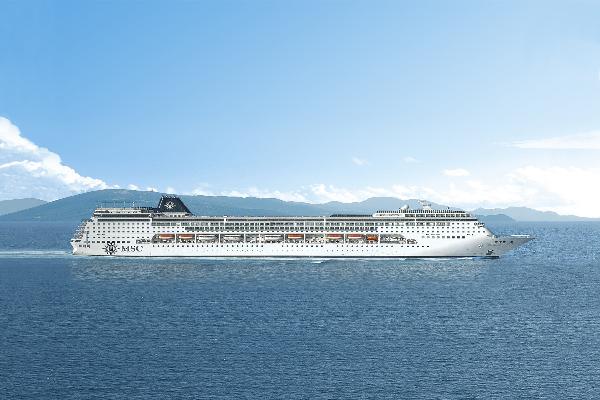
A Comprehensive Travel Guide: Italy, Greece & Croatia Cruise from Venice
This guide details a classic Adriatic and Aegean Sea cruise itinerary, embarking from Venice, Italy, and visiting the stunning coasts of Croatia and the ancient wonders of Greece. This journey offers a rich tapestry of history, culture, breathtaking landscapes, and culinary delights, seamlessly blending the convenience of a cruise with immersive land experiences.
Itinerary Overview
The core journey follows this path:
Venice (Marghera Port) – Brindisi (Italy) – Sea Day – Mykonos (Greece) – Piraeus/Athens (Greece) – Sea Day – Split (Croatia) – Return to Venice (Marghera Port). This route is typically covered over 7 to 10 days, offering a balanced mix of iconic cities, idyllic islands, and relaxing days at sea.
Port of Embarkation: Venice (Marghera Port), Italy
Venice is more than just a starting point; it’s a dreamlike city built on water. The commercial cruise port is often located in Marghera on the mainland, from which travelers are typically shuttled to the historic center.
Key Attractions
St. Mark’s Square (Piazza San Marco): The heart of Venice, home to St. Mark’s Basilica with its magnificent Byzantine mosaics and the Campanile bell tower offering panoramic city views.
Doge’s Palace (Palazzo Ducale): A masterpiece of Gothic architecture, this was the seat of Venetian government. The Bridge of Sighs, connecting the palace to the prisons, is a must-see.
Grand Canal: The main waterway of Venice. A vaporetto (water bus) ride along the canal provides a stunning perspective of the palazzos and bridges.
Rialto Bridge: The oldest and most famous bridge spanning the Grand Canal, surrounded by a vibrant market area.
Food & Drink
Cicchetti: Small snacks or side dishes, similar to Spanish tapas, often enjoyed with a glass of wine (ombra) in a bacaro (traditional wine bar).
Risotto al Nero di Seppia: Black risotto colored with cuttlefish ink, a Venetian specialty.
Spritz: The quintessential Venetian aperitif, made with Prosecco, Aperol or Campari, and soda water.
Transportation & Accommodation
From Marco Polo Airport (VCE), take the Alilaguna water bus or a land taxi to the cruise port. It is highly recommended to arrive at least one or two days early to explore Venice. Accommodation ranges from luxurious hotels on the Grand Canal to charming B&Bs in quieter neighborhoods like Cannaregio or Dorsoduro.
Cultural Insights
Venice is a city of artisans. Look for authentic Murano glass, Carnival masks, and lace. Be prepared for “acqua alta” (high water) during certain seasons. The city is best explored on foot, getting lost in its labyrinth of alleyways and canals.
Port of Call: Brindisi, Italy
Brindisi, a historic port city in the Puglia region, has been a gateway to the East for centuries. While often a transitional port, it offers a taste of authentic Southern Italian life.
Key Attractions
Brindisi Historic Center: Explore the Roman columns marking the end of the Appian Way, the Swabian Castle, and the Brindisi Cathedral.
Day Trip to Lecce: Highly recommended. Known as the “Florence of the South,” Lecce is famed for its exuberant Baroque architecture, including the Piazza del Duomo and the Basilica di Santa Croce.
Day Trip to Alberobello: A UNESCO World Heritage site famous for its unique trulli, whitewashed stone huts with conical roofs.
Food & Drink
Orecchiette con Cime di Rapa: “Little ear” pasta with turnip tops, a classic Pugliese dish.
Taralli: Ring-shaped savory crackers, often flavored with fennel seeds or pepper.
Primitivo Wine: A robust red wine produced in the surrounding Salento region.
Transportation
The cruise port is close to the city center. Trains from Brindisi station connect to Lecce (approx. 30 minutes). For Alberobello, regional trains or organized tours are the best options.
Sea Day
A day at sea is a cherished part of any cruise. It’s an opportunity to relax by the pool, enjoy the ship’s amenities (spas, gyms, shows), participate in onboard activities, and socialize with fellow travelers while watching the vast expanse of the Mediterranean Sea.
Port of Call: Mykonos, Greece
Mykonos is the glamorous queen of the Cyclades, known for its iconic windmills, whitewashed cubic buildings, vibrant nightlife, and stunning beaches.
Key Attractions
Mykonos Town (Chora): A picturesque maze of narrow, winding streets designed to confuse pirates. Get lost among the whitewashed lanes, boutique shops, and blue-domed churches.
The Windmills: The quintessential image of Mykonos, located on a hill overlooking the town. They are particularly beautiful at sunset.
Little Venice: A row of 18th-century fishermen’s houses with colorful balconies built right on the sea’s edge. Perfect for a romantic dinner or cocktail.
Paradise Beach & Super Paradise Beach: World-famous for their golden sand, crystal-clear water, and vibrant beach parties.
Delos Island Day Trip: A short boat ride away, Delos is a UNESCO site and one of the most important mythological, historical, and archaeological sites in Greece—the legendary birthplace of Apollo and Artemis.
Food & Drink
Fresh Seafood: Grilled octopus, calamari, and fish are staples. Enjoy them at a seaside taverna.
Kopanisti: A spicy, creamy cheese spread unique to Mykonos.
Louza: A cured pork loin delicacy, similar to filetto.
Ouzo: The classic anise-flavored aperitif of Greece.
Transportation
Tenders often ferry passengers from the ship to the old port. The town is easily walkable. To explore the island’s beaches, use the local bus service, rent an ATV, or take a taxi.
Cultural Insights
While known for its party atmosphere, Mykonos also has a deep traditional side. Visit the Archaeological Museum of Mykonos or the Folklore Museum to learn more. The island’s mascot is Petros the Pelican; you might be lucky enough to spot him wandering the streets.
Port of Call: Piraeus Port / Athens, Greece
Piraeus is the main port of Athens and one of the largest passenger ports in Europe. From here, travelers have direct access to the ancient wonders of the Greek capital.
Key Attractions in Athens
The Acropolis: The iconic citadel perched high above the city. Must-sees include the Parthenon, the Erechtheion, and the Temple of Athena Nike. Purchase tickets online in advance to avoid long queues.
Acropolis Museum: A state-of-the-art museum housing thousands of artifacts found on the Acropolis slopes, with a glass floor overlooking archaeological ruins.
Plaka & Anafiotika: The old historical neighborhoods of Athens, nestled at the foot of the Acropolis. Characterized by neoclassical architecture, quaint shops, and traditional tavernas.
Ancient Agora: The heart of ancient Athenian public life, where Socrates philosophized. The Temple of Hephaestus is one of the best-preserved ancient Greek temples.
Changing of the Guard: Watch the Evzones (presidential guard) perform their highly stylized ceremony in front of the Hellenic Parliament on Syntagma Square.
Food & Drink
Souvlaki & Gyros: Grilled meat (pork or chicken) served in a pita wrap with tomato, onion, tzatziki, and fries.
Moussaka: An iconic baked dish with layers of eggplant, minced meat, and béchamel sauce.
Horiatiki (Greek Salad): A classic salad of tomatoes, cucumber, onion, feta cheese, and olives, dressed with olive oil and oregano.
Ouzo & Retsina: Sample these traditional Greek drinks.
Transportation
The Piraeus cruise terminal is well-connected to Athens via the Metro (Green Line). The journey to the city center (Syntagma or Monastiraki stations) takes about 20-25 minutes. Taxis and hop-on-hop-off buses are also available.
Sea Day
A second sea day provides another chance for relaxation and reflection after the intense sightseeing in Athens. It’s a perfect time to review photos, enjoy a spa treatment, or simply soak up the sun as the ship sails towards the Dalmatian Coast.
Port of Call: Split, Croatia
Split is Croatia’s second-largest city, a vibrant metropolis where life revolves around the extraordinary Diocletian’s Palace—a living monument where people have lived and worked for over 1,700 years.
Key Attractions
Diocletian’s Palace: A UNESCO World Heritage site that forms the core of Split’s old town. Explore its labyrinthine basements, Peristyle square (the heart of the palace), and Cathedral of Saint Domnius (originally Diocletian’s mausoleum).
The Riva: The bustling waterfront promenade lined with cafes and palm trees. It’s the social hub of the city.
Marjan Hill: A forested peninsula known as the “lungs of Split.” A climb to the top rewards visitors with spectacular views of the city, islands, and mountains.
Day Trip to Trogir: Another UNESCO site, this charming medieval town is located on a small island just 30 minutes from Split. Its Romanesque and Renaissance architecture is breathtaking.
Food & Drink
Dalmatian Pršut & Paški Sir: Dalmatian dry-cured ham and famous Pag island cheese—a perfect starter.
Crni Rižot (Black Risotto): A risotto made with cuttlefish or squid ink, giving it a distinct color and flavor.
Fresh Grilled Fish: Simply prepared with olive oil, garlic, and herbs. Sea bass and bream are local favorites.
Plavac Mali Wine: A robust red wine from the Dalmatian coast, related to Zinfandel.
Transportation
The cruise port is within easy walking distance (10-15 minutes) of Diocletian’s Palace. Local ferries connect Split to nearby islands like Hvar and Brač. Buses are available for trips to Trogir or Krka National Park.
Cultural Insights
The palace is not a museum you “visit”; it’s a living part of the city where shops, restaurants, and homes are integrated into the ancient walls. Experience “fjera,” a traditional festival sometimes held in the Peristyle with people in historic costumes.
Cruise & Travel Practical Tips
Choosing Your Cruise
Research different cruise lines as they cater to different demographics (families, couples, luxury seekers). Carefully check the itinerary for port times—longer stays allow for more in-depth exploration. Consider smaller ships that may dock closer to city centers compared to larger vessels.
Packing Essentials
Clothing: Lightweight, breathable clothing for summer; layers for cooler evenings; a light jacket or wrap for air-conditioned ships and windy decks. Modest clothing (covering shoulders and knees) is required for visiting churches and monasteries.
Footwear: Comfortable walking shoes are non-negotiable for exploring ancient ruins and cobblestone streets. Sandals and formal wear for onboard dinners are also recommended.
Other Essentials: Sunscreen, hat, sunglasses, swimwear, a reusable water bottle, European power adapters (Type C/F), and a small daypack for shore excursions.
Money Matters
The ship will use a single currency (often USD or EUR). For shore excursions:
Italy & Greece: Euro (EUR).
Croatia: Euro (EUR). Credit cards are widely accepted in cities, but it’s wise to have some cash for small purchases and local markets.
Cultural Etiquette & Tips
“Slow Down”: Southern European culture operates at a more relaxed pace. Enjoy long meals and don’t rush.
Tipping: Onboard tipping is often automated. On land, a small tip (5-10%) is appreciated for good service in restaurants if a service charge isn’t included.
Greetings:A simple “Buongiorno” (Italy), “Kalimera” (Greece), or “Dobar dan” (Croatia) goes a long way.
This journey through Italy,
Greece,
and Croatia offers an unparalleled glimpse into the cradle of Western civilization,
the beauty of Mediterranean islands,
and the charm of Dalmatian coastal cities.
It is a voyage that promises lasting memories,
from walking in the footsteps of Roman emperors and Greek philosophers to dancing under the stars on a Greek island.
By planning ahead and immersing oneself in the local culture,
travelers can ensure a rich and rewarding experience.