A Comprehensive Travel Guide: Glasgow, Loch Lomond, The Trossachs & Stirling Castle
This circular route from Glasgow into the heart of Scotland’s first National Park and its stirring historical landscape offers a perfect microcosm of the Scottish experience. Travelers journey from the vibrant energy of a world-class city, through the breathtaking “Bonnie Banks” of Loch Lomond, into the wild romance of the Trossachs, and finally to the iconic fortress that witnessed the birth of a nation, before returning to their starting point. This guide provides detailed, practical information to plan an unforgettable adventure.
Day 1: Exploring Glasgow – The Dear Green Place
Glasgow, Scotland’s largest city, is a dynamic metropolis renowned for its Victorian architecture, world-class art collections, vibrant music scene, and friendly locals. It serves as the perfect urban gateway to the wild landscapes that follow.
Key Attractions in Glasgow
Kelvingrove Art Gallery and Museum: A stunning Spanish Baroque-style building housing an astonishingly diverse collection, from Salvador Dalí’s Christ of St John of the Cross to a Spitfire airplane hanging from the ceiling. Free entry makes it a must-visit.
Glasgow Cathedral and the Necropolis: A magnificent example of Scottish Gothic architecture, this is one of the few medieval Scottish cathedrals to have survived the Reformation intact. Behind it lies the Necropolis, a Victorian garden cemetery offering panoramic city views.
Riverside Museum: Designed by the renowned architect Zaha Hadid, this award-winning transport museum showcases everything from vintage cars and trams to tall ships moored outside on the River Clyde.
George Square and the City Centre: The civic heart of Glasgow, surrounded by impressive municipal buildings and a statue of Sir Walter Scott. From here, explore the style miles of Buchanan Street for shopping.
The University of Glasgow: The main Gilbert Scott Building is a masterpiece of Gothic Revival architecture, often compared to Hogwarts. The free Hunterian Museum on campus is Scotland’s oldest public museum.
Glasgow Food & Drink Recommendations
Glasgow’s culinary scene is eclectic and thriving. Don’t miss:
Traditional Pub Grub: Sample hearty fare like steak pie or fish and chips in a classic pub like The Horseshoe Bar or The Pot Still (which boasts an enormous selection of whiskies).
International Cuisine: The city is famous for its excellent Indian and Pakistani restaurants, particularly in the “Curry Mile” on and around Ashton Lane.
Modern Scottish: For a finer dining experience, seek out restaurants using seasonal Scottish produce, such as scallops, venison, and Aberdeen Angus beef.
Must-Try: A “fish tea” – a Glaswegian tradition involving fish, chips, bread and butter, and a pot of tea.
Transportation in Glasgow
The city centre is very walkable. For longer distances, the subway system (affectionately known as the “Clockwork Orange”) is simple and efficient, forming a loop around the city centre and West End. An all-day ticket offers good value. Buses are extensive and cover areas not served by the subway.
Accommodation Tips for Glasgow
Stay in the City Centre for proximity to shops and major attractions, the trendy West End (around Byres Road and Ashton Lane) for a bohemian vibe with great cafes and bars, or the Merchant City for stylish apartments and nightlife.
Day 2: Glasgow to Loch Lomond & The Trossachs National Park
The journey north from Glasgow is swift, with the urban landscape quickly giving way to rolling hills and, soon after, the shimmering expanse of Loch Lomond. This is the United Kingdom’s largest freshwater lake by surface area, famed in song and story.
Transportation: Getting to Loch Lomond
By Car: The most flexible option. Take the A82 north from Glasgow, which runs along the western shore of the loch. The drive takes approximately 40-60 minutes.
By Train: ScotRail services from Glasgow Queen Street run to Balloch at the southern tip of the loch, as well as to stations like Arrochar & Tarbet on the west coast line, offering access to different parts of the loch. Journey time is around 45 minutes to Balloch.
By Bus: Citylink buses run regularly from Glasgow Buchanan Bus Station to key loch-side towns like Luss, Tarbet, and Ardlui.
Key Attractions around Loch Lomond
The Village of Luss: A picture-perfect conservation village with charming cottages, a beautiful sandy beach, and stunning views across the loch to Ben Lomond. It’s a popular stop for coach tours, so arriving early is advisable.
Cruise on Loch Lomond: Sailing from Balloch or Luss, a cruise is the best way to appreciate the scale and beauty of the loch. Options range from short one-hour trips to journeys that take you to remote northern reaches.
Hiking Ben Lomond: For the active traveler, this is one of the most popular Munros (Scottish mountains over 3,000 ft) to climb. The well-maintained “Tourist Path” offers a challenging but rewarding day hike with unparalleled views from the summit.
Inchcailloch Island: Take a small ferry from Luss to this forested island for peaceful walks, spotting roe deer and exploring a historic graveyard.
Food & Drink around Loch Lomond
Expect hearty, comforting food perfect after a day outdoors.
Loch-Side Dining: Many hotels and pubs along the A82 offer stunning views. Look for menus featuring local produce like Loch Lomond salmon, Scottish beef, and game.
The Clansman Bar & Restaurant: Located near Luss, this is a popular spot for traditional Scottish meals in a loch-side setting.
Picnics: Stock up on local cheeses, bread, and meats from a deli in Balloch or a farm shop for a memorable picnic by the water.
Day 3: Through The Trossachs to Stirling
Continuing north from Tarbet on the A82, you will soon turn east onto the A85, entering The Trossachs. This area of rolling hills, serene lochs (including Loch Katrine and Loch Achray), and dense forests is often called “The Highlands in Miniature” and was immortalized by Sir Walter Scott’s poem
The Lady of the Lake.
Key Attractions in The Trossachs
The Duke’s Pass (A821): This scenic driving route between Aberfoyle and Loch Katrine is an attraction in itself, winding through stunning forested landscapes with several designated viewpoints.
Loch Katrine: The source of Glasgow’s drinking water, this loch is pristine and breathtakingly beautiful. Take a cruise on the historic steamship SS Sir Walter Scott or cycle along the traffic-free road on its northern shore.
The Trossachs Woollen Mill at Kilmahog: A great stop for authentic Scottish souvenirs like tartans, tweeds, and cashmere. You can also feed the friendly Highland cattle (or “Heilan Coos”) in the adjacent field.
Go Ape Aberfoyle: For adventure seekers, this treetop adventure course offers zip lines and rope bridges high above the forest floor.
The Journey to Stirling
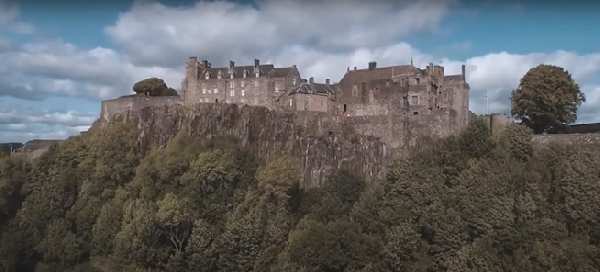
The drive from Callander to Stirling takes you out of the National Park and into the fertile lowlands, with the imposing silhouette of Stirling Castle becoming visible from miles away.
Accommodation Tips for The Trossachs & Stirling
In The Trossachs, consider charming B&Bs or country house hotels in Callander or Aberfoyle for an immersive rural experience. In Stirling, there is a range of options from central hotels to guesthouses on the outskirts. Booking ahead is essential during peak season.
Day 4: Stirling Castle and Return to Glasgow
Stirling is a city where history feels palpable. Its strategic position at the lowest crossing point on the River Forth made it the key to controlling Scotland for centuries.
The Crown Jewel: Stirling Castle
Perched atop a volcanic crag, Stirling Castle is one of Scotland’s most historically significant and impressive castles.
The Royal Palace: Marvel at the recently restored Renaissance splendour of the palace built for King James V. The vibrant external statues and the lavish Stirling Heads (carved oak medallions in the ceiling of the King’s Inner Hall) are highlights.
The Great Hall: Completed by James IV in 1503, this was the largest banqueting hall ever built in Scotland. Its magnificent hammerbeam roof has been fully restored.
The Chapel Royal: Commissioned by James VI for the baptism of his son, Prince Henry.
The Castle Esplanade: Offers breathtaking views across the Forth Valley to the Wallace Monument and the site of the Battle of Stirling Bridge.
Practical Info: Book tickets online in advance to secure a time slot and avoid queues. Allow at least 2-3 hours for your visit.
Other Attractions in Stirling
The National Wallace Monument: Across from the castle, this towering Victorian monument commemorates Sir William Wallace, the Scottish hero. Climb the 246 steps to the crown for another phenomenal viewpoint and see what is purported to be Wallace’s sword.
The Old Town Jail: An engaging and sometimes humorous interactive tour led by costumed actors detailing Victorian prison life.
The Church of the Holy Rude: This medieval church where the infant James VI was crowned is next to the castle and well worth a visit.
Food & Drink in Stirling
The city offers a good mix of casual cafes and fine dining restaurants. Look for establishments on Baker Street and in the streets surrounding the castle for a pleasant meal.
The Return Journey to Glasgow
The return to Glasgow is straightforward. By car or bus, it’s a simple 30-45 minute journey south on the M80/A80 motorway. Frequent trains also run from Stirling station to Glasgow Queen Street, taking approximately 30-40 minutes.
Cultural Insights & Practical Tips
Understanding Scottish Heritage
The landscapes on this route are steeped in history. Stirling Castle and the Wallace Monument are central to the story of Scotland’s Wars of Independence against England. The Trossachs are linked to Romanticism and the 19th-century rediscovery of Scotland’s natural beauty. Understanding this context enriches the travel experience immensely.
The Scottish Weather
The weather can change rapidly, especially in the National Park. The key is to be prepared for “four seasons in one day.” Always carry a waterproof jacket and layers, even if it looks sunny when you set out.
Trip Planning & Itinerary Variations
Duration: This itinerary can be comfortably covered in 4 days and 3 nights. To explore more deeply—for example, spending a full day hiking or cycling—consider adding an extra day or two.
Driving: If driving, note that roads in The Trossachs are often narrow and winding. Use designated passing places to let faster traffic overtake.
Sustainable Travel: Consider using public transport where possible. The train and bus network connecting these destinations is excellent and reduces your environmental impact.
Midges: From late May to September, small biting insects called midges can be a nuisance in still, damp conditions around lochs and in forests, especially in the morning and evening. Pack insect repellent.
This journey from Glasgow through Loch Lomond, The Trossachs, and Stirling encapsulates the very soul of Scotland—its resilient spirit, its dramatic history, and its wild, enduring beauty. It is a trip that promises to leave a lasting impression on any traveler.