A Comprehensive Travel Guide: Cairo, Alexandria, Aswan, Edfu, Luxor, and Hurghada
This guide outlines a classic and enriching circuit through Egypt, connecting its most iconic Pharaonic sites with the beauty of the Red Sea and the vibrancy of its modern cities. The journey typically starts and ends in Cairo, the sprawling capital, and weaves through historical treasures and coastal relaxation.
Introduction to the Egyptian Circuit
This itinerary covers a diverse range of experiences. Travelers begin in Cairo, exploring the ancient Pyramids and bustling Islamic quarters, before heading north to the Mediterranean city of Alexandria. Returning to Cairo, the journey then follows the Nile south to Aswan, with its Nubian culture and High Dam. A traditional Nile cruise (or alternative transport) then takes travelers downriver, stopping at the temples of Edfu and Kom Ombo, before arriving at the grand open-air museum of Luxor. Finally, the route moves east to the resort town of Hurghada on the Red Sea for diving and relaxation, before the final return to Cairo for departure.
Part 1: Cairo (The First Visit)
Cairo, Egypt’s sprawling capital, is a vibrant, chaotic, and mesmerizing metropolis that serves as the gateway to the ancient world. The first visit typically focuses on the Giza Plateau and the Egyptian Museum.
Main Attractions
The Giza Plateau: Home to the last surviving wonder of the ancient world. The complex features the Great Pyramid of Khufu, the Pyramid of Khafre, the Pyramid of Menkaure, and the Great Sphinx. A sound and light show in the evening is a popular attraction.
The Egyptian Museum in Tahrir Square: This historic museum houses an unparalleled collection of Pharaonic antiquities, including the golden treasures of Tutankhamun. Note that many key artifacts are gradually being moved to the new Grand Egyptian Museum (GEM); it is essential to check the status of both museums before visiting.
Khan el-Khalili Bazaar: A sprawling market in Islamic Cairo where visitors can get lost in alleyways filled with spices, perfumes, jewelry, lanterns, and souvenirs. It’s an experience for all the senses.
Islamic Cairo: Explore the area’s historic mosques and architecture, including the Citadel of Saladin, which offers panoramic views of the city, and the magnificent Alabaster Mosque of Muhammad Ali within its grounds.
Food & Drink
Koshari: Egypt’s national dish—a hearty mix of rice, lentils, chickpeas, pasta, and crispy fried onions, topped with a spicy tomato sauce. Try it at Abou Tarek, a famous restaurant dedicated to the dish.
Ful Medames & Ta’meya (Falafel): The classic Egyptian breakfast. Ful is slow-cooked fava beans, and ta’meya is made from crushed fava beans (different from Middle Eastern chickpea falafel).
Grilled Meats: Enjoy kofta (spiced minced meat skewers) and kebab in local restaurants.
Qahwa (Egyptian Coffee): Strong, thick, and often flavored with cardamom.
Transportation & Accommodation
Getting Around: Cairo’s traffic is legendary and often gridlocked. The metro is efficient for reaching certain key areas but doesn’t serve the pyramids. Ride-hailing apps like Uber and Careem are highly recommended for convenient and hassle-free travel. White taxis are also available but require negotiation.
Where to Stay: The neighborhoods of Zamalek (an island in the Nile, quieter and greener) and Downtown (lively and central) are popular with tourists. The Giza area also offers many hotels with direct views of the pyramids.
Cultural Insights
Haggling is expected in markets like Khan el-Khalili. Start at about half the asking price and negotiate with a smile. Dress modestly, especially when visiting mosques (shoulders and knees covered; women may need to cover their hair). Always carry small change for “baksheesh” (small tips), which is a common practice for small services.
Part 2: Alexandria
A day trip or overnight stay in Alexandria offers a different flavor—a city steeped in Hellenistic history and blessed with a Mediterranean breeze.
Main Attractions
Bibliotheca Alexandrina: The modern reincarnation of the ancient Library of Alexandria. It is an architectural marvel and a major cultural center.
Citadel of Qaitbay: A 15th-century defensive fortress built on the site of the ancient Lighthouse of Alexandria, one of the Seven Wonders.
Kom el Shoqafa Catacombs: A Roman burial site and a historical necropolis that blends Egyptian, Greek, and Roman architectural styles.
Pompey’s Pillar: A massive granite column erected in honor of the Emperor Diocletian.
Corniche: The city’s long waterfront promenade, perfect for a stroll and enjoying fresh seafood.
Food & Drink
Alexandria is famous for its seafood. Restaurants along the coast often allow you to choose your fish from a display, which is then grilled to order. “Feteer” (Egyptian layered pastry, both savory and sweet) is also a local specialty.
Transportation
The most comfortable way to reach Alexandria from Cairo is by train from Cairo’s Ramses Station, which takes about 2.5-3 hours. Air-conditioned coaches are also available. Within Alexandria, taxis and ride-hailing apps are the most convenient way to get around.
Part 3: Cairo to Aswan (The Journey South)
The most scenic way to travel from Cairo to Aswan is by overnight sleeper train, operated by Watania Sleeping Trains. It’s a time-efficient option that saves a night’s accommodation. Alternatively, a one-hour domestic flight is the quickest option.
Part 4: Aswan
Aswan has a more relaxed, Nubian-influenced atmosphere compared to Cairo. Its location on the Nile is stunning, with granite rocks and islands dotting the river.
Main Attractions
Abu Simbel: The colossal rock-cut temples of Ramses II and his wife Nefertari, relocated to save them from the rising waters of Lake Nasser. It is typically visited via an early morning convoy or flight from Aswan.
Philae Temple: A beautiful temple dedicated to the goddess Isis, which was also moved piece by piece to Agilkia Island to save it from flooding. Reached by a short boat ride.
Aswan High Dam: A modern engineering marvel that created Lake Nasser and controls the Nile’s floods.
Unfinished Obelisk: Provides incredible insight into ancient stone-working techniques.
Nubian Village: Take a boat to a colorful Nubian village on the west bank to experience local culture, enjoy tea in a traditional home, and see crocodiles (often kept as pets).
Felucca Ride: A must-do experience is a sail on a traditional wooden felucca around Aswan’s islands, such as Elephantine Island.
Food & Drink
Enjoy Nubian-style food, which often includes grilled meats and fish with distinct spices. The fresh dates in Aswan are renowned throughout Egypt.
Accommodation
Aswan offers a range of options, from historic gems like the Old Cataract Hotel (featured in Agatha Christie’s “Death on the Nile”) to modern Nile-side resorts.
Part 5: Nile Cruise from Aswan to Luxor (via Edfu & Kom Ombo)
A multi-day Nile cruise is the classic way to travel between Aswan and Luxor, offering a relaxing journey with stops at key temples along the way.
Main Attractions En Route
Kom Ombo Temple: An unusual double temple dedicated to two gods: the crocodile god Sobek and the falcon god Horus the Elder.
Edfu Temple: One of the best-preserved cult temples in Egypt, dedicated to the falcon god Horus. Visitors typically take a horse-drawn carriage from the cruise dock to the temple entrance.
Cruise Experience
Cruises range from budget to luxury. They include full-board accommodation, guided tours at each stop, and onboard entertainment. The views of rural Egyptian life from the sundeck are unforgettable. Alternatively, for those not taking a cruise, these temples can be visited by road or train from Luxor or Aswan.
Part 6: Luxor
Often called the world’s greatest open-air museum, Luxor is built on the site of the ancient city of Thebes. The city is divided by the Nile: the East Bank (City of the Living) and the West Bank (City of the Dead).
Main Attractions – East Bank
Karnak Temple Complex: A vast city of temples built over 2,000 years. The Hypostyle Hall, with its 134 massive columns, is awe-inspiring.
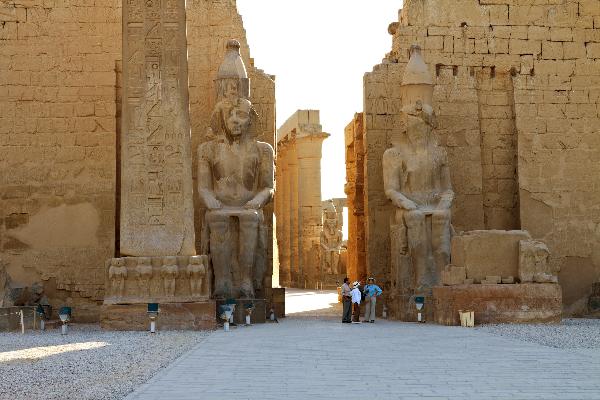
Luxor Temple: Beautifully located in the heart of the city, it is particularly stunning when illuminated at night.
Main Attractions – West Bank
Valley of the Kings: The burial place of pharaohs like Tutankhamun and Ramses the Great. Entrance usually includes access to three tombs (Tutankhamun requires a separate ticket).
Temple of Hatshepsut: A striking mortuary temple with a unique modern design, built for Egypt’s powerful female pharaoh.
Valley of the Queens: Contains tombs of queens and royal children, including the beautifully decorated tomb of Nefertari (requires a special, expensive ticket).
Colossi of Memnon: Two massive stone statues of Pharaoh Amenhotep III that have stood guard for 3,400 years.
Food & Drink
Luxor has a wide range of restaurants catering to tourists. For a more local experience, explore the streets away from the tourist corniche. Try “Shakshoka” (a dish of eggs poached in a tomato and pepper sauce) for breakfast.
Transportation
The best way to explore the West Bank is by hiring a private car and driver for the day. On the East Bank, walking between Luxor Temple and the tourist bazaar is easy, while taxis or calèches (horse-drawn carriages) can take you to Karnak.
Part 7: Hurghada
A drive east from Luxor (approx. 4-5 hours) brings travelers to Hurghada on the Red Sea coast. This resort town is famous for its beaches, water sports, and vibrant nightlife.
Main Attractions & Activities
Scuba Diving & Snorkeling: The Red Sea is world-renowned for its crystal-clear waters and spectacular coral reefs teeming with marine life. Giftun Island is a popular spot for day trips.
Water Sports: Windsurfing, kitesurfing, parasailing, and glass-bottom boat tours are widely available.
Desert Safaris: Take a quad biking or jeep tour into the Eastern Desert for a glimpse of Bedouin life and dramatic landscapes.
Relaxation: Many visitors simply enjoy the all-inclusive resort life, soaking up the sun on sandy beaches.
Accommodation
Hurghada is dominated by all-inclusive resorts of varying standards, many with private beaches and extensive facilities. There are also smaller hotels and apartments available.
Part 8: Return to Cairo & Departure
The final leg involves returning to Cairo from Hurghada. This can be done via a short domestic flight (quickest), a long-distance bus (most economical), or a private transfer. This final stop in Cairo can be used to explore anything missed on the first visit, such as Coptic Cairo (home to the Hanging Church and Ben Ezra Synagogue) or to do some last-minute souvenir shopping at Khan el-Khalili before heading to the airport for departure.
General Travel Tips for Egypt
Best Time to Visit: October to April offers the most pleasant weather. The summer months (May-September) are extremely hot.
Visa: Most nationalities require a visa, which can often be obtained online as an e-Visa or upon arrival at major airports.
Currency: The Egyptian Pound (EGP). While credit cards are accepted in larger establishments, it is essential to carry cash for markets, small shops, and tips.
Dress Code: Conservative dress is recommended. Lightweight, loose-fitting clothing that covers shoulders and knees will be more comfortable and respectful.
Shopping & Haggling: Haggling is standard in souks. Be polite but firm. It’s part of the cultural experience.
Health: Drink only bottled water. Be cautious with street food; ensure it is freshly cooked and hot.
Guides: Hiring a knowledgeable Egyptologist guide for the historical sites in Cairo, Luxor, and Aswan will immensely enrich your understanding and experience.