A Comprehensive Travel Guide: Barcelona and Beyond
This guide details a rich itinerary exploring the vibrant city of Barcelona and venturing into the diverse landscapes of Catalonia. From sacred mountains and medieval towns to sun-drenched coastal cities and surreal art, this journey offers a deep dive into the region’s culture, history, and cuisine. The route encompasses Barcelona, the mystical Montserrat, the wine country of Oller del Mas, the historic gems of Girona and Figueres, and the Roman and coastal charms of Tarragona and Sitges.
Barcelona: The Vibrant Capital
Barcelona, the cosmopolitan capital of Spain’s Catalonia region, is a city of boundless energy, renowned for its unique architecture, bustling street life, and Mediterranean allure. It serves as the perfect starting point for this Catalan adventure.
Key Attractions in Barcelona
La Sagrada Família: The iconic, yet still unfinished, basilica designed by Antoni Gaudí. Its breathtaking facades and soaring, tree-like interior columns are a testament to modernist architecture. Booking tickets online well in advance is essential.
Park Güell: A whimsical public park also designed by Gaudí, featuring colorful mosaics, organic shapes, and offering panoramic views of the city. The Monumental Zone requires a timed ticket.
Gothic Quarter (Barri Gòtic): The heart of the old city, a maze of narrow medieval streets filled with historic buildings, charming plazas like Plaça Reial, and the Barcelona Cathedral.
La Rambla: A famous, tree-lined pedestrian street buzzing with activity, street performers, and kiosks. Travelers are advised to be vigilant against pickpockets in this crowded area.
Casa Batlló & La Pedrera: Two more of Gaudí’s masterpieces on the Passeig de Gràcia. These buildings showcase his innovative approach to form and function and are stunning both day and night.
Food & Drink in Barcelona
Barcelona’s culinary scene is a highlight. Visitors should not miss trying
paella (best enjoyed for lunch), fresh seafood at La Barceloneta beach, and tasting a variety of tapas like patatas bravas (spicy potatoes) and jamón ibérico (cured ham). For a unique experience, visit La Boqueria Market off La Rambla. For a sweet treat, crema catalana is a local custard dessert similar to crème brûlée.
Transportation & Accommodation in Barcelona
Barcelona has an excellent and efficient metro system that connects most major attractions. The Hola BCN! travel card offers unlimited travel for 2 to 5 days. For accommodation, neighborhoods like Eixample offer central, modern hotels, the Gothic Quarter provides historic charm, and Gràcia boasts a more bohemian, local vibe.
Day Trip 1: The Spiritual Montserrat Mountain
Located about 50 km northwest of Barcelona, Montserrat is a multi-peaked mountain range of unique rock formations and home to a revered Benedictine abbey, the Santa Maria de Montserrat. It is a site of both natural beauty and profound spiritual significance.
Attractions at Montserrat
Santa Maria de Montserrat Abbey: This monastery houses the revered statue of the Black Madonna (La Moreneta), the patron saint of Catalonia. Pilgrims and visitors line up to see the statue in the Basilica.
Boys’ Choir (L’Escolania): One of the oldest boys’ choirs in Europe, they sing daily in the Basilica. Checking the schedule in advance is crucial as their performances are a major draw.
Funicular Rides: Two funiculars offer access to higher points. The Sant Joan Funicular goes to the top for breathtaking hiking trails and views, while the Santa Cova Funicular descends to a path leading to a holy cave.
Food & Transportation
At the monastery complex, there are several cafeteria-style restaurants and a more upscale dining option. For a simple, local lunch, many visitors bring a picnic to enjoy with the spectacular views. To get to Montserrat from Barcelona, one can take a train from Plaça d’Espanya station to the base of the mountain, then connect to the Cremallera rack railway or the Aeri cable car for the final ascent.
Oller del Mas: A Medieval Winery Experience
Nestled in the shadow of Montserrat in the Pla de Bages wine region, Oller del Mas is a 10th-century castle that has been transformed into a modern, organic winery. It offers an authentic taste of Catalan viticulture and history away from the crowds.
Experiences at Oller del Mas
The primary activity here is a winery tour and tasting. Visitors can explore the medieval castle cellars, learn about their organic and biodynamic farming practices, and sample a selection of their wines, which often include indigenous varieties like Picapoll. Some tours include a pairing with local cheeses and cured meats. It is highly recommended to book visits in advance through their website.
Transportation & Cultural Insight
Oller del Mas is best accessed by car from either Barcelona or Montserrat, offering flexibility to explore the rural countryside. This visit provides insight into the deep-rooted winemaking traditions of Catalonia beyond the more famous Cava region, highlighting how modern techniques are being integrated with ancient heritage.
Day Trip 2: The Medieval Charm of Girona and Surrealism in Figueres
This day trip heads north from Barcelona to explore two distinct cities: the impeccably preserved medieval gem of Girona and the birthplace of Salvador Dalí in Figueres.
Girona Attractions
The Cathedral: Dominating the city skyline, this cathedral boasts the widest Gothic nave in the world. Its 90-step staircase is a famous filming location for Game of Thrones.
The Jewish Quarter (El Call): A labyrinth of narrow, cobbled streets and stone arches that is one of the best-preserved Jewish quarters in Europe.
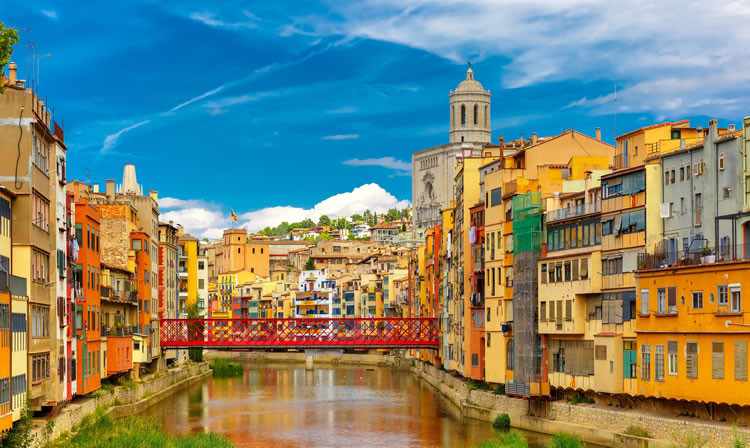
The Onyar River Houses: The iconic, brightly painted houses lining the Onyar River provide one of Girona’s most photographed scenes.
The Eiffel Bridge: A pedestrian bridge built by Gustave Eiffel’s company before the construction of the Eiffel Tower in Paris.
Figueres Attractions
The main draw in Figueres is the
Teatre-Museu Dalí (Dalí Theatre-Museum). Designed by Salvador Dalí himself, the museum is a surrealist work of art from the outside in. It houses the largest collection of his works and is an immersive, bizarre, and unforgettable experience. Booking tickets online is strongly advised to avoid long queues.
Food & Transportation
In Girona, which is a renowned culinary hotspot, visitors can try
xuixo, a cylindrical fried pastry filled with crema catalana. For a more substantial meal, many restaurants offer modern Catalan cuisine. Figueres has numerous cafes around the museum plaza perfect for a casual lunch. The high-speed AVE train from Barcelona Sants station connects to both Girona and Figueres efficiently, making it possible to visit both in one day with careful planning.
Day Trip 3: Roman History in Tarragona and Coastal Bliss in Sitges
Heading south from Barcelona along the Costa Daurada (Golden Coast), this trip explores the ancient Roman capital of Hispania and concludes in a charming coastal town.
Tarragona Attractions
Tarragona is a UNESCO World Heritage site due to its impressive Roman ruins.
The Roman Amphitheatre: Situated right on the Mediterranean shore, this amphitheatre once hosted gladiatorial contests.
The Pont del Diable (Devil’s Bridge): A magnificent Roman aqueduct located just outside the city center, set in a peaceful park.
The Praetorium and Roman Circus: Complexes that offer insight into the political and entertainment life of ancient Tarraco.
The Balcony of the Mediterranean (Balcó del Mediterrani): A scenic viewpoint overlooking the sea and the amphitheatre.
Sitges Attractions
Sitges is a stylish and welcoming coastal town known for its beautiful beaches, vibrant festival culture (especially its famous Carnival), and its historic old town.
The Old Town (Casc Antic): A delightful area of whitewashed houses and narrow streets leading down to the sea.
Cau Ferrat Museum: The former home-workshop of artist Santiago Rusiñol, a key figure of Modernisme.
The Church of Sant Bartomeu & Santa Tecla: Perched on a promontory, this church is the iconic symbol of Sitges.
The Passeig Marítim: A lovely seafront promenade lined with restaurants and bars.
Food & Transportation
In Tarragona, being a coastal city, seafood is excellent. Look for restaurants serving
romesco de peix, a fish stew with a characteristic nut and pepper sauce. In Sitges, enjoy fresh seafood at a beachfront xiringuito (beach bar). Both Tarragona and Sitges are easily accessible by frequent Rodalies commuter trains from Barcelona’s Passeig de Gràcia or Sants stations. The journey offers scenic views of the coast.
Practical Travel Tips for Catalonia
Best Time to Visit
The ideal times for this itinerary are during the spring (April-June) and autumn (September-October) when the weather is pleasantly warm, and the crowds are thinner. July and August can be very hot and crowded.
Cultural Insights
Language: While Spanish (Castellano) is widely spoken, the primary language is Catalan. Learning a few basic phrases like “Bon dia” (Good day) and “Merci” (Thank you) is appreciated.
Meal Times: Lunch is typically from 2:00 PM to 4:00 PM, and dinner is rarely before 9:00 PM. Adjusting your schedule is key to enjoying authentic dining experiences.
Siesta: Many smaller shops outside major tourist centers may close for a few hours in the afternoon.
Nationalism: Catalonia has a strong regional identity. Be respectful and observant of local sentiments regarding politics and independence.
Accommodation Strategy
For this multi-destination trip, it is most practical to use Barcelona as a base hub. The city’s excellent rail network makes all these day trips feasible without changing hotels. This saves time and hassle from packing and unpacking. Choose accommodation near a major metro or train station for maximum convenience.
Getting Around
Within Cities: Barcelona’s metro is comprehensive. Girona, Tarragona, and Sitges are very walkable.
Between Cities: The Rodalies commuter trains are perfect for Tarragona and Sitges. The high-speed AVE or regional trains (Rodalies R11 line) are best for Girona/Figueres.
To Montserrat: A combination of FGC train from Plaça d’Espanya and either cable car or rack railway.
By Car: Renting a car provides ultimate flexibility for visiting Oller del Mas or exploring remote coastal areas and villages, but it is not necessary for the core itinerary and can be a burden in city centers.
This itinerary offers a profound journey through the heart of Catalonia, blending world-famous art and architecture with sacred history, ancient ruins, exquisite wines, and stunning Mediterranean landscapes.