A Comprehensive Travel Guide: Athens, Delphi, and Arachova
This guide details a classic Greek itinerary, taking travelers from the ancient heart of Athens to the mystical slopes of Mount Parnassus, home to the legendary Oracle of Delphi, with a stop in the charming mountain town of Arachova. This journey offers a profound connection to ancient history, mythology, and stunning natural landscapes.
Part 1: Athens – The Cradle of Western Civilization
Athens, a city where history resonates from every corner, is a sprawling metropolis that seamlessly blends its glorious ancient past with a vibrant, modern energy. As the birthplace of democracy, philosophy, and drama, it serves as the perfect starting point for this historical journey.
Major Attractions in Athens
The Acropolis and Parthenon: The iconic symbol of Athens and ancient Greece, the Acropolis is a UNESCO World Heritage site that dominates the city skyline. The Parthenon, a temple dedicated to the goddess Athena, is a masterpiece of Doric architecture. Visitors should also explore the other monuments on the hill, including the Erechtheion with its famous Caryatids, the Temple of Athena Nike, and the Propylaea gateway. It is highly recommended to purchase a combined ticket online in advance to skip the long queues. This ticket also provides access to other key archaeological sites.
Acropolis Museum: Located at the foot of the Acropolis, this modern architectural marvel houses the treasures found on the sacred rock. Its glass floors reveal excavations below, and the top-floor Parthenon Gallery offers a breathtaking view of the temple itself, with the marble friezes arranged as they were in ancient times.
Ancient Agora: This was the commercial, political, and social heart of ancient Athens. Here, Socrates philosophized, and St. Paul preached. Key structures include the remarkably well-preserved Temple of Hephaestus and the reconstructed Stoa of Attalos, which now serves as a museum.
Plaka and Anafiotika: Nestled on the northern slopes of the Acropolis, Plaka is the oldest neighborhood in Athens. Its labyrinthine, cobblestone streets are lined with neoclassical houses, tavernas, and shops. Within Plaka lies Anafiotika, a tiny, whitewashed village-like area built by craftsmen from the island of Anafi, offering a peaceful escape with a distinct Cycladic feel.
National Archaeological Museum: Housing the world’s richest collection of artifacts from Greek antiquity, this museum is a must-visit for history enthusiasts. Highlights include the Mask of Agamemnon, the Antikythera Mechanism (an ancient analog computer), and stunning sculptures like the Artemision Bronze.
Mount Lycabettus: For the best panoramic view of Athens and the Acropolis, take the funicular or hike to the summit of this hill. Sunset is a particularly magical time to visit.
Changing of the Guard (Evzones): In front of the Hellenic Parliament building on Syntagma Square, the Evzones, an elite presidential guard, perform a highly stylized changing of the guard ceremony every hour. The most elaborate ceremony takes place on Sunday at 11 AM.
Athens Food & Drink Recommendations
Athenian cuisine is a celebration of fresh, local ingredients. Venture beyond the tourist-trap restaurants in Plaka to discover authentic flavors.
Souvlaki & Gyros: A quintessential Greek fast food. Try it from a reputable street vendor or a specialized shop like “Kostas” in Plaka or “O Thanasis” in Monastiraki.
Meze: Small shared plates similar to Spanish tapas. Order a variety like tzatziki, dolmades (stuffed vine leaves), fava (yellow split pea purée), and grilled octopus.
Fresh Seafood: Enjoy grilled fish and seafood in the Mikrolimano or Piraeus port areas.
Coffee Culture: Greeks take their coffee seriously. Try a traditional Greek coffee (strong and unfiltered), a frappé (iced instant coffee), or a Freddo Cappuccino.
Must-Try Dishes: Moussaka (eggplant and meat casserole), Pastitsio (baked pasta dish), and Horiatiki (authentic Greek salad without lettuce).
Transportation in Athens
Metro: The Athens Metro is efficient, clean, and connects the airport to the city center (Blue Line). It’s the best way to reach most major sights. The same tickets are valid for buses and trams.
Walking: The historical center is very walkable, with many key attractions located within a compact area.
Taxis & Ride-Sharing: Taxis are relatively inexpensive. Use an app like Beat or Free Now for convenience and fixed fares.
Accommodation Tips for Athens
Staying in or near the neighborhoods of Plaka, Monastiraki, Koukaki, or Syntagma Square provides easy walking access to major sites. Koukaki, in particular, has emerged as a trendy and quieter alternative with excellent dining options. For a more upscale stay, consider Kolonaki.
Part 2: Delphi – The Navel of the World
A journey of approximately 2.5 hours by car or bus from Athens brings travelers to Delphi, one of the most important archaeological and spiritual sites of the ancient world. Perched on the slopes of Mount Parnassus overlooking the Gulf of Corinth, Delphi was considered by the Greeks to be the center (or navel) of the world. It was here that the Oracle of Apollo delivered her cryptic prophecies that shaped the course of history.
Major Attractions in Delphi
The Archaeological Site: Allow at least 3-4 hours to explore this vast site. Follow the Sacred Way uphill, passing by the ruins of treasuries built by various city-states to house their offerings. The path leads to the Temple of Apollo, where the Pythia delivered her prophecies. Further up lies the well-preserved 4th-century BC Ancient Theatre with stunning views, and even higher, the Stadium where the Pythian Games were held.
The Archaeological Museum of Delphi: Located next to the site, this world-class museum is included in the site ticket. It houses an incredible collection of artifacts discovered at Delphi, including the famous Charioteer of Delphi bronze statue, the Sphinx of Naxos, and the omphalos (the sacred stone symbolizing the navel of the world).
The Tholos at Athena Pronaia: A short walk from the main site is the sanctuary of Athena Pronaia. Its most photogenic structure is the Tholos, a circular building from the 4th century BC whose three reconstructed columns are an iconic image of Delphi.
The Castalian Spring: At the entrance to the site, this was where pilgrims would stop to wash themselves and purify themselves before consulting the Oracle.
Delphi Food & Drink Recommendations
The modern town of Delphi (just above the ancient site) has numerous tavernas with terraces offering spectacular valley views.
Local Specialties: Try Formaella, a hard cheese unique to the region, often served sizzling. Also, look for Parnassos wild mushrooms and locally farmed trout.
Tavernas: Enjoy traditional Greek dishes with a view at family-run tavernas in Delphi town or in the nearby village of Chrisso.
Transportation to and in Delphi
By Car: Renting a car offers flexibility for this itinerary. The drive from Athens is straightforward via a national road.
By Bus: KTEL buses run regularly from Athens’ Liossion Bus Station to Delphi. The journey takes about 3 hours. It’s essential to check the return schedule in advance.
Organized Tour: Many day tours are available from Athens, which include transportation and a guide.
Accommodation Tips for Delphi
Staying overnight in Delphi is highly recommended to experience the site early in the morning or late in the afternoon without the crowds from day trips. The town of Delphi offers a range of hotels, many with breathtaking views. For a more authentic village experience, consider staying in Arachova.
Part 3: Arachova – The Cosmopolitan Mountain Escape
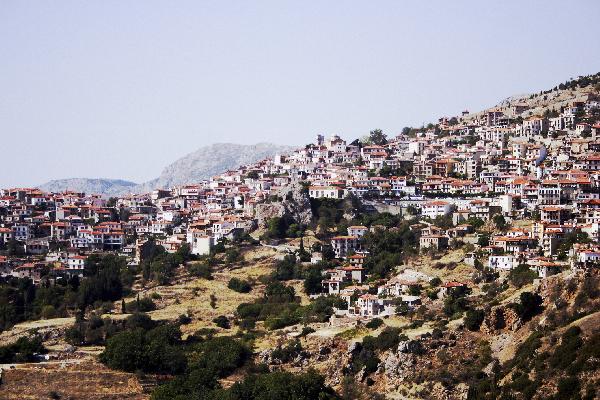
Just 12 km from Delphi, perched on the slopes of Mount Parnassus at an altitude of 950 meters, lies Arachova. This stylish mountain town is a popular winter destination due to its proximity to the Parnassos Ski Center, but it’s a charming stop year-round. Known for its vibrant nightlife, high-end boutiques, and traditional handicrafts, Arachova provides a stark and delightful contrast to the ancient solemnity of Delphi.
Major Attractions in Arachova
The Clock Tower: The iconic symbol of Arachova, located in the main square. Climbing the steep steps to the tower rewards visitors with magnificent views of the town and valley below.
The Main Street: Stroll along the cobblestone main street lined with shops selling local products like hand-woven flokati rugs, blankets, and wood carvings.
The Church of Agios Georgios: A beautiful church situated at the highest point of the town, requiring 100+ steps to reach. The interior features impressive frescoes.
Parnassos Ski Center: From December to April, this is Greece’s premier ski destination. Even in summer, the area offers excellent hiking trails.
Local Life: Simply enjoying a coffee or meal while watching the world go by is one of the great pleasures of visiting Arachova.
Arachova Food & Drink Recommendations
Arachova is famous for its hearty mountain cuisine.
Formaella Cheese: A must-try PDO cheese, often fried or grilled.
Souvlaki Arachovas: A local version of souvlaki made with pork and unique spices.
Tsipouro: A strong grape-based pomace brandy, often served as an aperitif or digestif.
Wild Greens (Horta) and Legumes: The mountain terrain produces excellent wild greens and pulses.
The Itinerary: Practical Planning
Suggested 4-Day Itinerary
Day 1: Arrival in Athens. Settle into your accommodation, explore Plaka and Monastiraki, and visit the Ancient Agora. Enjoy dinner at a traditional taverna and see the Acropolis illuminated at night.
Day 2: Deep Dive into Ancient Athens. Visit the Acropolis early in the morning, followed by the Acropolis Museum. In the afternoon, explore the National Archaeological Museum or climb Mount Lycabettus for sunset.
Day 3: Journey to Delphi and Arachova. Rent a car or take a morning bus to Delphi. Spend 4-5 hours exploring the archaeological site and museum. In the late afternoon, drive/taxi to Arachova (15-20 mins). Check in, stroll through the town, shop for local crafts, and enjoy a hearty dinner.
Day 4: Arachova Morning & Return to Athens. Enjoy a leisurely morning in Arachova, perhaps visiting the clock tower and church. After lunch, return to Athens for your flight or extended stay.
Transportation Between Destinations
The most flexible option is to rent a car for the duration of your trip or just for the days you plan to leave Athens. Alternatively, KTEL buses are reliable and cost-effective for travel between Athens and Delphi. From Delphi to Arachova, you can take a local taxi or bus.
Crucial Cultural Insights & Travel Tips
Respect the Sites: Do not climb on or touch ancient ruins. It is both disrespectful and damaging.
Siesta Time: Many smaller shops and businesses close in the afternoon (roughly 2-5 PM), especially outside major city centers.
Tipping: Service charge is usually included in restaurant bills. However, it is customary to leave a small tip (5-10%) or round up the bill as a gesture of appreciation.
Dress Code for Churches & Monasteries: Shoulders and knees should be covered when entering Orthodox churches. This is strictly enforced.
“Greek Time”: Be prepared for a more relaxed approach to punctuality in some situations.
Sunscreen & Water:The sun can be intense, especially at archaeological sites with little shade. Stay hydrated and wear protection.
The Language: Learning a few basic Greek phrases like “Yasas” (Hello), “Efharisto” (Thank you), and “Parakalo” (Please/You’re welcome) is greatly appreciated.
A journey from Athens to Delphi and Arachova is more than just a trip; it’s a pilgrimage through layers of history, mythology, and breathtaking natural beauty. It connects travelers with the philosophical heart of ancient Greece while offering a taste of its vibrant contemporary culture in its bustling capital and charming mountain towns.