A Comprehensive Travel Guide: Athens, Arachova, Delphi, Kalambaka, Meteora, Zakynthos, and the Peloponnese
This itinerary explores the very heart of Greece, blending ancient mythology with breathtaking natural beauty, Byzantine spirituality, and vibrant modern culture. It is a journey from the cradle of Western civilization to the soaring monasteries in the sky, and from iconic shipwrecks on turquoise shores to the rugged landscapes of the Peloponnese. This guide provides practical information to help travelers navigate this unforgettable Greek adventure.
Part 1: Athens – The Historical Capital
Athens, a city where history resonates around every corner, serves as the perfect starting point. It’s a bustling metropolis where ancient ruins stand in the shadow of modern buildings, offering a unique blend of the old and the new.
Main Attractions
The Acropolis and Parthenon: The iconic symbol of Athens and Ancient Greece. Visitors should purchase a combined ticket for access to the Acropolis and six other archaeological sites. Early morning or late afternoon visits are recommended to avoid the crowds and heat.
Acropolis Museum: A state-of-the-art museum housing the treasures found on the Acropolis slope. Its glass floors reveal ruins below, and the Parthenon Gallery offers a stunning view of the temple itself.
Ancient Agora: The heart of ancient Athenian public life, where Socrates philosophized and St. Paul preached. The beautifully preserved Temple of Hephaestus dominates the site.
Plaka and Anafiotika: Wandering through the labyrinthine streets of Plaka, with its neoclassical houses and souvenir shops, feels like stepping back in time. The tiny, whitewashed Anafiotika neighborhood, nestled on the Acropolis slopes, offers a Cycladic island vibe in the city center.
Mount Lycabettus: For the best panoramic view of Athens, especially at sunset, take the funicular or hike to the top of this hill. The small chapel of Agios Georgios sits at the summit.
Food & Drink
Traditional Tavernas in Psiri: This lively district is filled with tavernas serving classic dishes like moussaka, souvlaki, and grilled meats.
Central Market (Varvakios Agora): A sensory overload of fresh fish, meat, spices, and vegetables. It’s a great place to experience local life and grab a quick, authentic lunch at one of the market’s small eateries.
Must-Try Dishes: Horiatiki (Greek salad), Fava (yellow split pea purée), Saganaki (fried cheese), and Loukoumades (honey doughnuts).
Transportation & Accommodation
Athens International Airport (ATH) is well-connected globally. The city’s metro system is efficient and links the airport to the city center. The best areas to stay are Plaka (for charm), Syntagma (for convenience), and Koukaki (a quieter, trendy neighborhood near the Acropolis).
Part 2: Arachova & Delphi – The Navel of the World
A scenic drive northwest from Athens leads into the mountainous region of Central Greece, first to the chic town of Arachova and then to the legendary site of Delphi.
Main Attractions
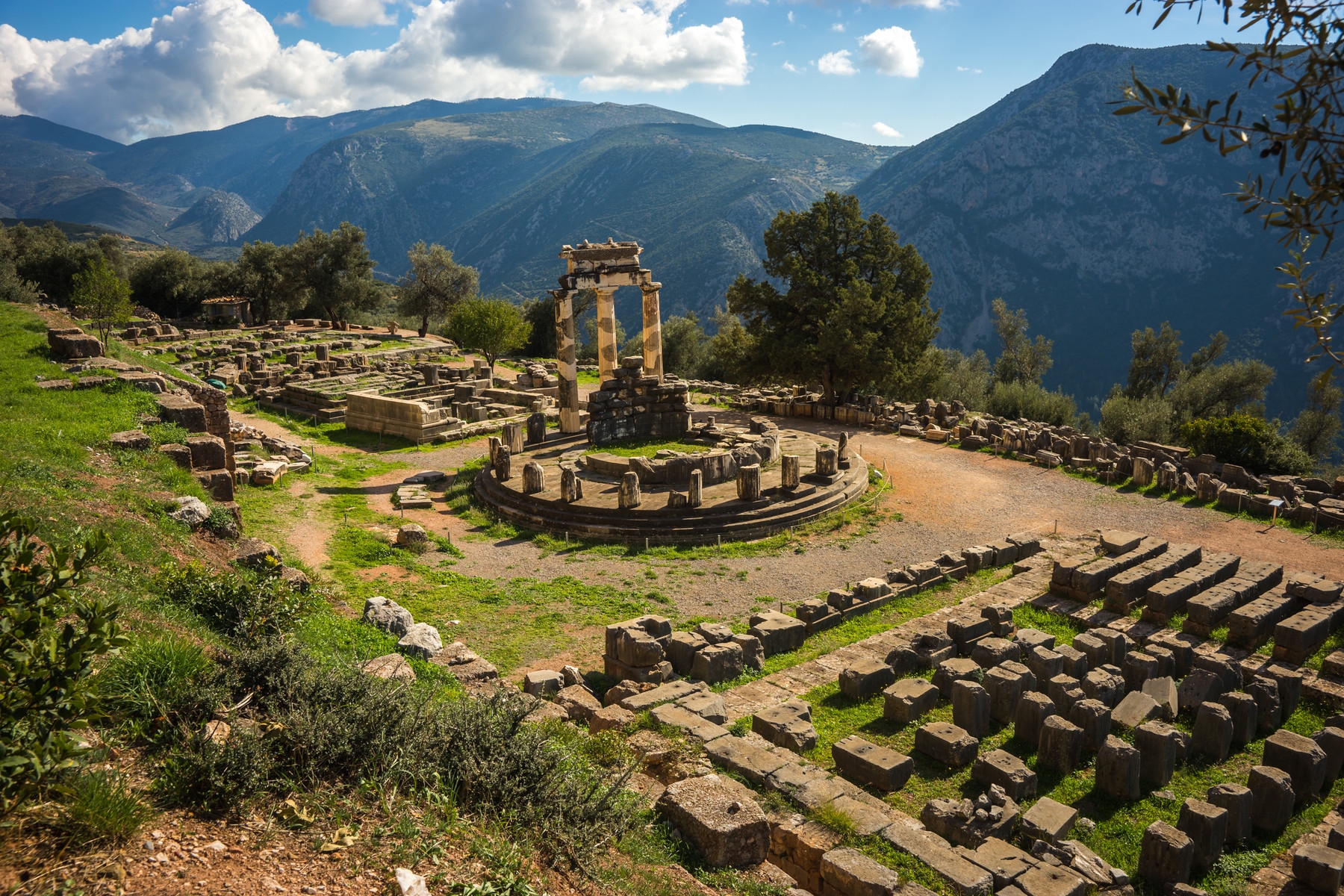
Delphi Archaeological Site: Considered by the ancients to be the center of the world. Key highlights include the Temple of Apollo, where the Oracle delivered her prophecies, the ancient theater with stunning mountain views, and the stadium.
Delphi Archaeological Museum: Houses incredible finds from the site, most notably the iconic Charioteer of Delphi, a masterpiece of ancient bronze sculpture.
Arachova Town: A picturesque mountain village famous for its ski resort, vibrant nightlife, and local products like Formaella cheese and fluffy textiles. The clock tower on the hill offers a fantastic view.
Food & Drink
In Arachova, try hearty mountain cuisine. Recommended dishes include grilled trout, lamb cooked in various ways, and locally produced cheeses. The town is also known for its robust red wines.
Transportation & Accommodation
The most flexible way to reach Delphi and Arachova is by rental car from Athens (approx. 2.5-3 hours). Alternatively, KTEL buses run regularly from Athens to both destinations. For accommodation, Arachova offers a wide range of cozy guesthouses and luxury hotels, while Delphi has hotels with spectacular views over the Pleistos Valley and the Gulf of Corinth.
Part 3: Kalambaka & Meteora – Monasteries in the Sky
Continuing westward from Delphi and crossing the stunning bridge at Rio-Antirrio, the journey leads to Kalambaka, the gateway to one of Greece’s most awe-inspiring sights: the Meteora monasteries.
Main Attractions
The Meteora Monasteries: A UNESCO World Heritage site, these 14th-century monasteries are perched atop immense, vertical rock pillars. Of the original 24, six are open to the public.
Great Meteoron: The largest and oldest monastery.
Varlaam: Houses a magnificent museum of religious artifacts.
Agios Stefanos: The most accessible, via a small bridge, and home to a community of nuns.
Roussanou: Known for its beautiful frescoes and dramatic setting.
Kalambaka and Kastraki: The town of Kalambaka lies at the foot of the rocks, while the village of Kastraki is nestled amongst them, offering a more intimate base for exploration.
Food & Drink
The region is known for its hearty dishes, often featuring game and wild mushrooms. Try stifado (a rich beef or rabbit stew), local sausages, and pies. The nearby region of Thessaly produces excellent wines.
Transportation & Accommodation
Driving from Delphi to Kalambaka takes approximately 3 hours. Trains also connect Athens to Kalambaka, offering a scenic route. Staying in Kastraki village provides a more immersive experience, with many hotels offering direct views of the rock formations. For an unforgettable experience, consider a sunrise or sunset hiking tour or a guided rock-climbing excursion.
Part 4: Zakynthos – The Island of Shipwrecks and Sea Turtles
From Meteora, travelers can drive south to the port of Kyllini on the Peloponnese coast to catch a ferry to Zakynthos (Zante), an Ionian island famed for its stunning beaches and vibrant blue waters.
Main Attractions
Navagio (Shipwreck) Beach: The world-famous cove accessible only by boat, featuring a rusted shipwreck on pure white sand surrounded by towering cliffs. Boat tours depart from various points on the island.
Blue Caves: Located on the northern tip of the island, these geological formations are best visited in the morning when the sunlight creates an incredible azure reflection on the cave walls.
Laganas Bay & Marathonisi Island: A protected National Marine Park and a major nesting ground for the loggerhead sea turtle (Caretta caretta). Boat trips are regulated to protect the turtles.
Bohali Village: A charming village just above Zakynthos Town with a Venetian castle and spectacular views over the bay.
Food & Drink
Zakynthian cuisine has strong Venetian influences. Must-try specialties include Sartsa (a meat dish with pasta), Bourdeto (a spicy fish stew), and Ladotyri (a cheese preserved in oil). The local Verdea wine is also unique to the island.
Transportation & Accommodation
The island has its own international airport (ZTH). The ferry from Kyllini takes about 1 hour. Renting a car or ATV is highly recommended to explore the island’s diverse coastline and mountainous interior. Accommodation ranges from lively resorts in Laganas to quieter villas and hotels in Vassilikos and Tsilivi.
Part 5: The Peloponnese Peninsula – A Realm of Myths and History
Returning by ferry to Kyllini, travelers enter the Peloponnese, a large peninsula steeped in history and myth. It was the land of powerful city-states like Sparta, Corinth, and Mycenae.
Main Attractions
Ancient Olympia: The birthplace of the Olympic Games. Walk through the ancient stadium, gymnasium, and temples dedicated to Zeus and Hera. The on-site museum is exceptional.
Mycenae: The legendary city of King Agamemnon. Explore the Lion Gate, the massive Cyclopean walls, and the beehive-shaped Treasury of Atreus.
Epidaurus: Renowned for its incredibly well-preserved ancient theater with perfect acoustics. The adjacent Sanctuary of Asclepius was an important healing center in antiquity.
Nafplio: Often called Greece’s most beautiful city, Nafplio is a romantic seaside town with Venetian architecture, Palamidi Fortress towering above it, and the Bourtzi fortress on a small island in its harbor.
Mani Peninsula: A wild and rugged region known for its unique stone tower houses, dramatic coastline, and Byzantine churches. Areopoli is a great base for exploring Deep Mani.
Corinth Canal: A dramatic man-made canal separating the Peloponnese from mainland Greece. Stop for photos at one of the viewing bridges.
Food & Drink
The Peloponnese is a gastronomic paradise. It’s famous for its olive oil (from Kalamata), olives, citrus fruits, and honey. Regional dishes include Kalamata olives, pasteli (sesame honey bars), and various slow-cooked lamb dishes.
Transportation & Accommodation
A car is essential for exploring the Peloponnese thoroughly. The road network is good, and distances can be long. Charming guesthouses in Nafplio offer a perfect base for exploring Argolis, while traditional tower-house hotels in Mani provide a unique cultural experience.
The Return: Peloponnese to Athens
The final leg of the journey involves driving from the Peloponnese back to Athens. The modern Rio-Antirrio bridge offers a spectacular route, or one can drive along the scenic coastal road from Corinth. This marks the end of a comprehensive loop through some of Greece’s most iconic and diverse landscapes.
Cultural Insights & Practical Tips
Respect Religious Sites: When visiting monasteries in Meteora or churches elsewhere, modest dress is required (shoulders covered, no shorts or short skirts). Skirts are often provided at monastery entrances if needed.
Siesta Time: Many smaller shops and businesses close in the afternoon (roughly 2-5 pm), especially outside major cities. Plan your shopping and some site visits accordingly.
Tipping: Service charge is usually included in restaurant bills, but it is customary to leave a small cash tip (5-10%) for good service. Round up taxi fares.
The Greek Pace: Life moves at a more relaxed pace in many parts of Greece. Embrace it; patience is a virtue.
Best Time to Visit: Late spring (May-June) and early autumn (September-October) offer ideal weather—warm but not scorching—and fewer crowds than the peak summer months of July and August.
Coffee Culture: Greeks take their coffee seriously. Join the locals at a kafeneio for a strong Greek coffee or a frappé (iced coffee) any time of day.
This journey through central Greece, its islands, and its peninsulas offers a profound connection to history, nature, and culture. From the philosophical echoes of Athens and Delphi to the divine heights of Meteora and the stunning beauty of Zakynthos and the Peloponnese, it is a trip that captures the enduring spirit of Greece.