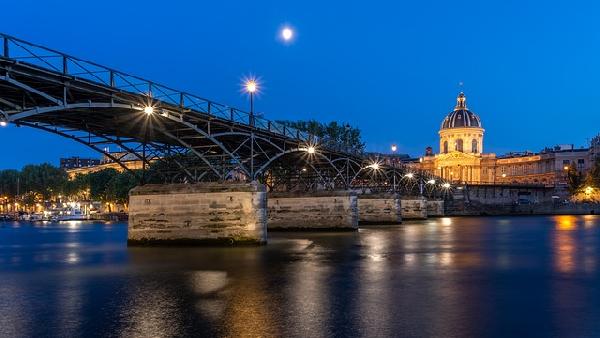
The Ultimate Travel Guide to Paris: A Journey Along the Seine River
Paris, the ‘City of Light’, is a timeless destination that captivates millions of visitors each year. While its iconic landmarks like the Eiffel Tower and the Louvre are must-see attractions, one of the most enchanting ways to experience the essence of Paris is from the deck of a boat cruising along the Seine River. This guide provides a comprehensive overview of planning a trip to Paris, with a special focus on the unforgettable experience of a Seine River cruise, weaving together practical information, cultural insights, and local secrets.
Introduction to Paris: The City of Light
Paris, the capital of France, is a global center for art, fashion, gastronomy, and culture. Its history spans over two millennia, leaving a rich tapestry of architectural styles, from Roman ruins to Gothic cathedrals and Haussmannian boulevards. The city is divided into 20 arrondissements (districts) that spiral out from the center, each with its own unique character and charm. The Seine River acts as the city’s liquid heart, dividing Paris into the Left Bank (Rive Gauche), known for its bohemian and intellectual history, and the Right Bank (Rive Droite), famous for its grand boulevards and luxury shopping.
The Seine River Cruise: A Moving Postcard
A cruise on the Seine is more than just a boat ride; it is a fundamental Parisian experience. It offers a unique, elevated perspective of the city’s most famous monuments, allowing visitors to appreciate the architectural harmony and historical sweep of Paris in a relaxed and picturesque setting. Whether by day, under the soft glow of sunset, or when the city is illuminated after dark, the cruise provides a constantly changing tableau of beauty.
Types of Seine River Cruises
Sightseeing Cruises: These are the most popular options, typically lasting 60 to 90 minutes. Companies like Bateaux Parisiens and Bateaux Mouches offer frequent departures with recorded or live commentary in multiple languages. They cover the central stretch of the Seine, passing by major sights.
Lunch and Dinner Cruises: For a more luxurious experience, several companies operate cruises that include a meal. Lunch cruises are often more affordable and offer brilliant daytime views, while dinner cruises are romantic affairs with gourmet food, live music, and the glittering lights of Paris after dark.
Smaller Boat or Private Charters: For a more intimate setting, smaller companies offer tours on electric boats or vedettes. Private charters are also available for special occasions, providing a personalized route and service.
Hop-On-Hop-Off Batobus: While not a traditional guided cruise, the Batobus is a water bus service with nine stops near key attractions. It functions like a bus on the water, offering a flexible way to travel between sites while still enjoying river views.
Key Attractions Seen from the Cruise
As the boat glides along the water, a parade of world-famous landmarks unfolds:
Eiffel Tower: The quintessential symbol of Paris, viewed from a stunning and less common angle. The sight of it rising above the tree-lined banks is breathtaking.
Notre-Dame Cathedral: Although still under restoration after the 2019 fire, the Gothic masterpiece remains an awe-inspiring sight from the river, showcasing its flying buttresses and imposing facade.
The Louvre Museum: The vast palace that houses some of the world’s most famous art, including the Mona Lisa, is seen in all its grandeur from the water.
Musée d’Orsay: Housed in a magnificent former railway station, this museum’s clock face is a distinctive feature visible from the Seine.
Alexander III Bridge: Often considered the most ornate bridge in Paris, adorned with golden statues, nymphs, and cherubs, it is a Beaux-Arts masterpiece.
Conciergerie: A former royal palace and prison that held Marie-Antoinette before her execution, this Gothic building dominates the Île de la Cité.
Grand Palais and Petit Palais: These grand exhibition halls, built for the 1900 World’s Fair, are magnificent examples of Belle Époque architecture.
Practical Cruise Information
Booking: It is advisable to book tickets online in advance, especially for dinner cruises and during peak tourist season (April-October).
Departure Points: Main embarkation points are located near the Eiffel Tower (Port de la Bourdonnais), Notre-Dame (Quai de Montebello), and Musée d’Orsay.
Best Time to Go: Sunset cruises offer a magical transition from day to night. Night cruises are spectacular as Paris’s monuments are beautifully illuminated.
What to Bring: A camera is essential. Even in summer, it can be chilly on the water, so bringing a light jacket is recommended.
Exploring Paris On Land: Key Attractions
Beyond the river views, Paris demands exploration on foot. Here are some essential districts and attractions to visit.
The Historic Heart: Île de la Cité and Le Marais
The Île de la Cité is where Paris was founded. While Notre-Dame is closed, the exterior and the surrounding square are still worth visiting. Nearby, the serene Sainte-Chapelle is famed for its breathtaking stained-glass windows. Just across the river lies Le Marais, a historic district with a vibrant mix of Jewish history, LGBTQ+ culture, trendy boutiques, and beautifully preserved mansions like the Musée Carnavalet (dedicated to Parisian history).
Art and Culture: The Louvre and Beyond
The Louvre is immense; it’s wise to plan your visit around specific artworks or wings. For a more manageable art experience, the Musée d’Orsay offers an unparalleled collection of Impressionist and Post-Impressionist masterpieces. Lovers of modern art should not miss the Centre Pompidou. For a different kind of cultural immersion, explore the bohemian neighborhood of Montmartre, home to the Sacré-Cœur Basilica and the Place du Tertre, where artists paint and sell their work.
The Iconic Eiffel Tower and Champs-Élysées
A visit to the Eiffel Tower is a rite of passage. Booking tickets weeks in advance is crucial to avoid long queues. The Trocadéro Gardens across the river offer the classic photographic vantage point. From the Arc de Triomphe, you can walk down the famous Champs-Élysées, though for a more authentic Parisian shopping experience, the smaller boutiques in Saint-Germain-des-Prés are recommended.
Savoring Paris: Food and Drink Recommendations
French cuisine is central to the Parisian experience.
Classic French Dishes to Try
Steak Frites: A simple yet perfectly executed staple of French bistros.
Croque Monsieur/Madame: The ultimate French ham and cheese sandwich, grilled to perfection.
Escargots: Snails cooked in garlic-parsley butter, a classic for the adventurous eater.
Onion Soup: A rich, comforting soup topped with cheesy, toasted bread.
Crème Brûlée or Tarte Tatin: For dessert, these are quintessential French choices.
Where to Eat
Bistros and Brasseries: Look for bustling local spots away from major tourist traps. Areas like Rue Montorgueil or Rue Cler are filled with excellent options.
Patisseries and Boulangeries: Start your day with a buttery croissant or pain au chocolat from a local bakery. A baguette from a winning boulangerie is a must-try.
Outdoor Markets: Marché d’Aligre or Marché des Enfants Rouges (the oldest covered market in Paris) offer a vibrant taste of local life and fresh produce.
Cafés: Spend an afternoon at a sidewalk café, sipping an espresso and watching the world go by—a truly Parisian pastime.
Navigating the City: Transportation in Paris
Paris has an efficient and extensive public transportation system.
Metro (Métro): The fastest way to get around. It has 16 lines identified by number and color. A carnet (pack of 10 tickets) is often the best value for tourists.
RER Trains: The regional express network is useful for longer distances, such as trips to Versailles or Charles de Gaulle Airport.
Buses: Slower than the metro but offer excellent above-ground views of the city.
Taxis and Ride-Sharing: Readily available but more expensive. Hailing a taxi at a designated stand is more reliable than waving one down.
Walking: Paris is a highly walkable city. Many of its greatest pleasures are discovered by strolling through its neighborhoods.
Vélib’ Bikes: The city’s bike-sharing program is a popular and healthy way to explore, with dedicated bike lanes throughout the city.
Finding Your Home in Paris: Accommodation Tips
The choice of neighborhood will significantly shape your Parisian experience.
Saint-Germain-des-Prés (6th Arr.): Chic, literary, and central, with excellent shopping and dining. Ideal for a luxurious stay.
Le Marais (3rd/4th Arr.): Historic, trendy, and vibrant day and night. Full of galleries, shops, and cafes.
Louvre & Les Halles (1st Arr.): Extremely central, close to major sights. Can be very busy and touristy.
Latin Quarter (5th Arr.): A historic student area with a lively, bohemian atmosphere and more affordable dining options.
Opéra & Grands Boulevards (9th Arr.):A bustling business and shopping district, home to the famous Galeries Lafayette department store.
Montmartre (18th Arr.): Village-like feel with stunning views, but it is hilly and can be crowded with tourists during the day.
Consider booking well in advance, especially for smaller boutique hotels or rental apartments in these popular areas.
Cultural Insights and Etiquette
Understanding local customs will enrich your visit.
The Language: Always begin an interaction with “Bonjour” (Hello) and end with “Merci” (Thank you). Making an effort with basic French phrases is greatly appreciated.
Dining Pace: Meals in France are often leisurely affairs. To ask for the bill, you must request “l’addition, s’il vous plaît.”
Shopping:A polite “Bonjour” when entering a small shop is standard etiquette.
Tipping: A service charge is included by law in all restaurant bills. It is customary to leave a small extra tip (5-10%) for excellent service, but it is not obligatory.
Greetings: Among friends, it is common to greet with “faire la bise,” a kiss on both cheeks. A handshake is standard in formal situations.
A Sample One-Day Itinerary Featuring a Seine Cruise
Morning: Start at Île de la Cité to see Notre-Dame and Sainte-Chapelle. Then, cross the bridge to explore the charming streets of Le Marais.
Lunch: Enjoy a classic Croque Monsieur at a traditional bistro in Le Marais.
Afternoon: Visit the Musée d’Orsay. Afterwards, take a 60-minute sightseeing cruise from a nearby dock (e.g., Port de Solférino).
Evening: Walk from your cruise to the Eiffel Tower area. Have a picnic on the Champ de Mars or dine at a restaurant with a view. Cap the night with an illumination cruise to see the city sparkle.
Conclusion
A journey to Paris, punctuated by a serene cruise on the Seine River, offers a multi-faceted experience of one of the world’s most beloved cities. From its monumental architecture and world-class art to its intimate cafes and bustling markets, Paris invites discovery at every turn. By viewing its grandeur from the water and then immersing oneself in its vibrant streets, a traveler can truly grasp why Paris continues to be a timeless dream destination. With careful planning and an open mind, any visit can be transformed into an unforgettable adventure.