The Ultimate Travel Guide: Lima, Cusco, Sacred Valley, Aguas Calientes, and Machu Picchu
This comprehensive guide details one of the world’s most iconic travel circuits: a journey from Peru’s coastal capital, Lima, to the ancient heart of the Inca Empire in Cusco, through the breathtaking Sacred Valley, culminating in the awe-inspiring citadel of Machu Picchu. This route offers a profound exploration of history, culture, and stunning natural landscapes.
Part 1: Lima – The Gastronomic Capital
Lima, Peru’s sprawling capital, is often a traveler’s first point of entry. Perched on cliffs overlooking the Pacific Ocean, it’s a city of contrasts, where colonial history meets modern innovation and is globally renowned as a culinary powerhouse.
Key Attractions in Lima
Historic Centre of Lima (UNESCO World Heritage Site): Explore the Plaza Mayor, surrounded by the Government Palace, Lima Cathedral, and the Archbishop’s Palace. A short walk away is the stunning San Francisco Monastery and its eerie catacombs, holding the bones of an estimated 25,000 people.
Larco Museum: Housed in an 18th-century vice-royal mansion, this museum offers a stunning overview of 3,000 years of pre-Columbian Peruvian history. Its famous collection of pre-Columbian erotic pottery is a unique highlight.
Parque del Amor (Love Park): Located in the Miraflores district, this park offers beautiful mosaic benches and a central sculpture, “El Beso” (The Kiss), inspired by Gaudi. It provides spectacular views of the Pacific Ocean.
Barranco: Lima’s bohemian arts district is filled with colorful colonial mansions, art galleries, trendy cafes, and vibrant street art. The iconic Puente de los Suspiros (Bridge of Sighs) is a must-visit.
Lima Food & Drink
Lima is a food lover’s paradise. Don’t miss these experiences:
Ceviche: Peru’s national dish. Fresh raw fish cured in tangy lime juice (leche de tigre), with onions, chili peppers, and cilantro. Best enjoyed for lunch.
Pisco Sour: The country’s signature cocktail made from Pisco (a grape brandy), lime juice, simple syrup, egg white, and bitters.
Gastronomic Tours: Consider a food tour in the Surquillo market or through the bars and eateries of Barranco to sample a wide variety of local flavors.
Transportation in Lima
Jorge Chávez International Airport (LIM) is the main gateway. To get around, official taxis from inside the airport or ride-hailing apps like Uber are recommended. For the brave, the city’s public bus system is extensive but can be chaotic for first-time visitors.
Accommodation Tips for Lima
The safest and most tourist-friendly neighborhoods are Miraflores and Barranco. Miraflores offers upscale hotels and easy oceanfront access, while Barranco provides a more artistic and boutique experience.
Part 2: Cusco – The Navel of the World
Flying from Lima to Cusco (Alejandro Velasco Astete International Airport – CUZ) is the most common and efficient method. Upon arrival, take it easy; at 3,400 meters (11,150 feet) above sea level, altitude sickness (Soroche) is a real concern. Spend the first day acclimatizing by drinking coca tea, staying hydrated, and avoiding heavy food and alcohol.
Key Attractions in Cusco
Plaza de Armas: The heart of Cusco, surrounded by colonial arcades, the magnificent Cusco Cathedral, and the Church of La Compañía de Jesús. It’s a vibrant hub day and night.
Qorikancha (Temple of the Sun): The most important temple in the Inca Empire, whose stunning stonework now forms the foundation of the Santo Domingo Church. This site perfectly illustrates the clash of Inca and Spanish cultures.
Sacsayhuamán: The massive fortress-temple overlooking Cusco is an astounding example of Inca architectural prowess, featuring enormous stones cut and fitted together with incredible precision without mortar.
San Pedro Market: A bustling local market where you can find everything from fresh produce and meats to souvenirs, juices, and local delicacies. It’s an immersive cultural experience.
Cusco Food & Drink
Cuy: Guinea pig, a traditional Andean delicacy, often served roasted whole.
Lomo Saltado: A flavorful stir-fry combining marinated sirloin strips, onions, tomatoes, and french fries, served with rice—a testament to the Chinese influence on Peruvian cuisine.
Chicha Morada: A sweet, non-alcoholic beverage made from purple corn and spices.
Transportation in Cusco
The city center is very walkable, though its steep, cobblestone streets can be challenging. Taxis are inexpensive and plentiful for longer distances. *Collectivos* (shared vans) are a cheap way to get to nearby sites like Pisac or Chinchero.
Accommodation Tips for Cusco
Staying near the Plaza de Armas offers convenience and beautiful views but can be noisy. The San Blas neighborhood, just uphill from the plaza, is quieter, more bohemian, and filled with artisan workshops and boutique hotels.
Part 3: The Sacred Valley – The Inca’s Breadbasket
The Sacred Valley (Valle Sagrado), located between Cusco and Machu Picchu, is more than just a scenic route; it’s a lower-altitude area ideal for further acclimatization. It was the agricultural heartland of the Inca Empire and is dotted with formidable ruins and vibrant indigenous markets.
Key Attractions in the Sacred Valley
Pisac: Famous for its sprawling Inca ruins with intricate terracing and a hilltop citadel, as well as its vibrant artisan market (largest on Tuesdays, Thursdays, and Sundays).
Ollantaytambo: One of the best-preserved Inca towns, with narrow cobblestone canals still running alongside the original streets. The massive fortress-temple, with its stunning terracing, was the site of a rare Inca victory over the Spanish.
Moray: An unusual archaeological site consisting of circular agricultural terraces that the Incas likely used as an experimental laboratory to study the effects of different climatic conditions on crops.
Maras Salt Mines: Thousands of pre-Columbian salt pans cascade down a mountainside, creating a stunning visual spectacle. Local families still harvest pink salt using traditional methods.
Chinchero: A traditional Andean village known for its beautiful colonial church built atop an Inca palace, its Sunday market (less touristy than Pisac), and its renowned textile cooperatives where women demonstrate traditional weaving techniques.
Sacred Valley Food & Drink
Many restaurants in towns like Urubamba source ingredients directly from their own farms (*chacras*). Try *trout* from local rivers and *chicha* (a fermented corn beer), which is traditionally offered to Pachamama (Mother Earth).
Transportation in the Sacred Valley
The most flexible way to explore is by hiring a private taxi or taking a guided tour. *Collectivos* run between major towns like Pisac, Urubamba, and Ollantaytambo. The PeruRail or Inca Rail train to Machu Picchu departs from Ollantaytambo or Poroy (near Cusco).
Accommodation Tips for the Sacred Valley
The Sacred Valley offers some of Peru’s most luxurious and tranquil lodgings. Staying in Urubamba or Ollantaytambo provides a peaceful base surrounded by mountains and is closer to the train station for the journey to Machu Picchu.
Part 4: Aguas Calientes & Machu Picchu – The Lost City
Aguas Calientes (also known as Machu Picchu Pueblo) is the gateway town at the base of the mountain leading to the citadel. It exists solely for tourism but is a necessary hub for visiting one of the New Seven Wonders of the World.
The Journey to Aguas Calientes
The primary ways to reach Aguas Calientes are:
Train: The most popular and scenic option. Companies like PeruRail and Inca Rail offer services from Ollantaytambo or Poroy with varying levels of comfort (from budget to luxury glass-domed cars).
Inca Trail: The classic 4-day/3-night trek culminates with entering Machu Picchu through the Sun Gate (Inti Punku). This requires booking many months in advance through a licensed tour operator.
Alternative Treks: Treks like the Salkantay, Lares, or Inca Jungle Trek are less crowded alternatives that also end at Aguas Calientes.
Aguas Calientes Practicalities
The town is compact and walkable. Accommodation ranges from basic hostels to luxury hotels like the Inkaterra Machu Picchu Pueblo Hotel. The main attractions are the hot springs the town is named after (though they can be crowded) and the artisan market. This is where you will purchase bus tickets to Machu Picchu if you haven’t already.
Visiting Machu Picchu: A Practical Guide
A successful visit requires careful planning:
Tickets are Mandatory and Limited: Purchase entrance tickets well in advance (several months for peak season) exclusively from the official government website. You must choose between circuit options that dictate your walking route within the citadel.
Getting Up the Mountain: Buses depart regularly from Aguas Calientes for the 25-minute winding journey up to the citadel entrance. You can also hike up (approx. 1.5-2 hours), but this is steep and strenuous.
Guides: Hiring an official guide at the entrance is highly recommended to understand the history and significance of what you are seeing. Guides are available in multiple languages.
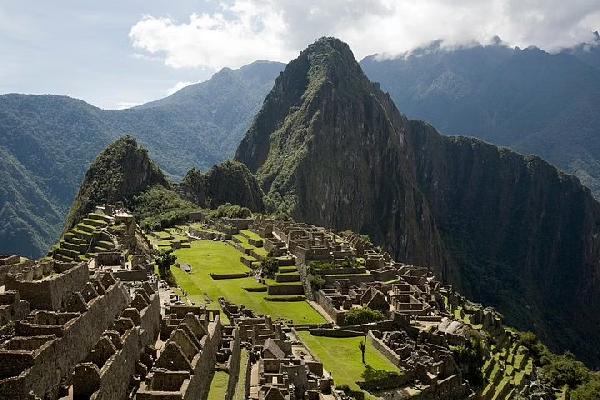
Additional Tickets: For more adventurous visitors, separate tickets are required to climb Huayna Picchu (the iconic peak behind the ruins) or Machu Picchu Mountain. These have strict time slots and sell out far in advance due to limited daily entries.
What to Bring: Passport (there’s a popular stamping station just outside the exit), water, rain gear (weather changes rapidly), sunscreen, hat, insect repellent, and snacks. No large backpacks are allowed.
The Machu Picchu Experience
The moment you first lay eyes on Machu Picchu is unforgettable. As you enter, the classic panoramic view unfolds. A guide will lead you through the key areas: the agricultural sector with its vast terraces, the urban sector with the Temple of the Sun, the Room of the Three Windows, the Intihuatana (a ritual stone associated with astronomy), and the residential areas. The sheer scale, precision of construction, and harmony with the surrounding mountains make it a place of profound wonder.
Part 5: The Return to Cusco & Final Tips
After exploring Machu Picchu, you will descend back to Aguas Calientes to catch your return train to Ollantaytambo or Poroy, followed by a bus or taxi back to Cusco. This marks the completion of one of the world’s greatest travel circuits.
Essential Cultural Insights & Travel Tips
Altitude Sickness (Soroche): Acclimatize slowly in Cusco. Drink plenty of water, avoid alcohol initially, and consume coca tea. Some travelers bring medication like Acetazolamide (Diamox)—consult a doctor before your trip.
Respect Local Customs: Always ask for permission before photographing local people, especially in rural areas and markets.
Sustainability: Be a responsible traveler. Do not touch or climb on the ruins at Machu Picchu. Carry a reusable water bottle. Support local artisans by buying directly from them.
Money:The Peruvian Sol (PEN) is the local currency. While credit cards are widely accepted in cities and larger establishments, it’s essential to carry cash for markets, smaller vendors, and tips.
Best Time to Visit:The dry season (April to October) offers the clearest skies and best conditions for hiking. The wet season (November to March) is warmer but sees frequent rain showers; however, the landscape is incredibly lush and green.
Tipping:Tipping is customary in Peru. In restaurants, a 10% tip is standard if service isn’t included. Tip guides, drivers, and porters according to your satisfaction and their level of service.