The Ultimate Travel Guide: Keflavík Airport, Blue Lagoon, and Reykjavík
This guide provides a comprehensive overview for travelers navigating the primary international gateway to Iceland and the subsequent journey to its iconic capital city. The route from Keflavík International Airport (KEF) to Reykjavík, often punctuated by a visit to the world-renowned Blue Lagoon, forms the foundational first experience for most visitors to the land of fire and ice. Understanding the logistics, attractions, and cultural nuances of this corridor is essential for a smooth and enriching Icelandic adventure.
Part 1: Keflavík International Airport (KEF)
Keflavík International Airport is not located in Reykjavík but is situated about 50 kilometers (31 miles) southwest of the capital, on the Reykjanes Peninsula. It is Iceland’s main international hub, handling virtually all long-haul flights. The airport itself is modern, efficient, and relatively compact, making it easy to navigate.
Arrival and Airport Services
Upon arrival, passengers from outside the Schengen Area will go through passport control, followed by baggage claim. Iceland is not part of the European Union but is a member of the Schengen Agreement, facilitating travel from other member countries.
Currency & ATMs: The local currency is the Icelandic Króna (ISK). ATMs (called ‘Hraðbanki’) and currency exchange offices are available in the arrivals hall. Credit and debit cards (Visa, MasterCard) are accepted almost universally throughout Iceland, often preferred over cash.
SIM Cards & Connectivity: Free Wi-Fi is available throughout the airport. For mobile data, travelers can purchase a local SIM card from providers like Síminn, Nova, or Vodafone at kiosks in the arrivals hall. Consider an eSIM if your phone supports it for immediate connectivity.
Duty-Free: Iceland’s duty-free shop, Heitir Hnetur, is famously popular for its alcohol selections, as taxes on alcohol in Iceland are high. It’s a common first stop for travelers to stock up on wine, beer, and spirits.
Car Rentals: All major international and local car rental companies (e.g., Blue Car Rental, Hertz, Avis, Budget) have desks located directly across from the arrivals hall. It is highly recommended to book vehicles well in advance, especially during peak season (June-August).
Food & Drink: Several cafes and restaurants are available post-security, including Joe & The Juice and a branch of the famous Icelandic hot dog stand, Bæjarins Beztu Pylsur.
Transportation from KEF to Reykjavík or the Blue Lagoon
There are several reliable ways to get from the airport to your next destination.
Airport Buses (Flybus & Airport Direct): This is the most common and cost-effective method. Companies like Flybus (by Reykjavík Excursions) and Airport Direct offer coach services that coordinate with all flight arrivals. They take you to the BSÍ Bus Terminal in Reykjavík. For an additional fee, you can book a “hotel transfer” service where a smaller bus will take you from BSÍ directly to your hotel.
Key Feature: Most bus services offer a stop at the Blue Lagoon on the way to Reykjavík or from Reykjavík back to the airport. This is an extremely efficient way to visit the lagoon without needing a rental car.
Private Transfers: For groups or those seeking maximum convenience, pre-booked private taxis or minivans are available. They will meet you in the arrivals hall and take you directly to your destination.
Taxi: Taxis are available outside the arrivals hall. This is the most expensive option and can cost upwards of 20,000-25,000 ISK to Reykjavík city center.
Rental Car: Picking up a rental car at the airport provides the ultimate flexibility for exploring the Reykjanes Peninsula, the Blue Lagoon, and beyond at your own pace.
Part 2: The Blue Lagoon
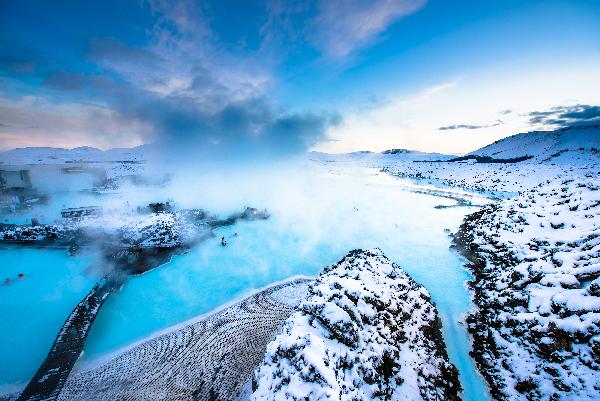
The Blue Lagoon is a geothermal spa and one of Iceland’s most visited attractions. It is located in a lava field on the Reykjanes Peninsula, approximately a 20-minute drive from KEF and about 50 minutes from Reykjavík. Contrary to popular belief, it is not a natural hot spring but is man-made, formed from the runoff of the nearby Svartsengi geothermal power plant. The mineral-rich seawater, superheated deep within the earth, is beneficial for the skin and creates a unique, milky-blue bathing experience.
Visiting the Blue Lagoon
Booking is Mandatory: You must book your entry slot online well in advance. Tickets often sell out days or weeks ahead, especially during popular times.
Package Options:
Comfort: Includes entrance, silica mud mask, use of a towel, and one drink of your choice.
Premium: Includes all Comfort features, plus a second mask of choice, a bathrobe, slippers, and a glass of sparkling wine if dining at the Lava restaurant.
Luxury: Provides access to the exclusive Retreat Spa, a private section of the lagoon, and other premium amenities.
Best Time to Visit: Many travelers visit right after landing at KEF or just before their flight home. The lagoon has luggage storage facilities. Early morning or late evening slots can be less crowded and offer beautiful light.
What to Do:
Bathe: The water temperature averages 37-40°C (98-104°F).
Silica Mud Mask: Apply the white silica mud from the masks stationed around the lagoon. It is excellent for exfoliating and cleansing the skin.
In-Water Bar: Use your electronic wristband to get a complimentary drink (included in your package)—options include smoothies, soft drinks, or alcoholic beverages like beer or cider.
Additional Masks: The algae mask (often part of the Premium package) is a hydrating treat.
Sauna & Steam Cave: Relax in the lagoon-side sauna or a steam cave carved into a lava wall.
Waterfall: Stand under the powerful waterfall for a stimulating shoulder massage.
Food and Drink at the Blue Lagoon
The Blue Lagoon offers several dining options beyond its in-water bar.
Lava Restaurant: An upscale restaurant built into a lava cliff with panoramic views of the lagoon. Serves modern Icelandic cuisine. Reservations are essential.
Moss Restaurant: A fine-dining experience focusing on gourmet Nordic cuisine with a multi-course tasting menu.
Spa Restaurant: Located within the spa area, offering a lighter, healthier menu for guests.
Café: For quick bites, coffee, and pastries.
Practical Tips for the Blue Lagoon
Shower Naked: Icelandic pool culture requires everyone to shower thoroughly without a swimsuit before entering any public pool or lagoon. Private showers are available, but it is a strict rule rooted in hygiene. Soap and conditioner are provided.
Protect Your Hair: The silica in the water can make hair stiff and dry. Apply a generous amount of the provided conditioner to your hair and leave it in; do not rinse it out before entering the lagoon.
Hydrate: The warm water can be dehydrating. Drink plenty of water.
Waterproof Case: Consider bringing a waterproof phone case if you wish to take pictures in the water.
Part 3: Reykjavík – The Northernmost Capital
After the serenity of the Blue Lagoon and the journey from KEF, travelers arrive in Reykjavík—a vibrant, compact, and colorful city that serves as the cultural, economic, and governmental heart of Iceland. With a population of around 130,000 (over 200,000 in the greater capital area), it feels more like a large town but is packed with world-class cuisine, history, and art.
Getting Around Reykjavík
On Foot: The city center is very walkable. Most major attractions are within a 15-30 minute walk of each other.
Public Buses (Strætó): The Strætó bus system is reliable and covers the entire capital area. Payment is via the Strætó app (recommended) or with exact change on the bus.
Taxis: Readily available but expensive by international standards. Hailo and other taxi apps are commonly used.
Bicycles & Scooters: Electric scooters from companies like Hopp and Bird are a popular and fun way to zip around the city center.
Rental Car: Useful for day trips outside the city but not necessary for exploring Reykjavík itself. Parking in the center can be challenging and expensive.
Top Attractions in Reykjavík
Hallgrímskirkja Church: The city’s most iconic landmark. This expressionist church towers over the cityscape. Take an elevator to the top of the bell tower for a breathtaking 360-degree panoramic view of Reykjavík and the surrounding mountains and ocean.
Harpa Concert Hall and Conference Centre: A stunning architectural marvel on the waterfront. Its facade is made of glass steel honeycomb panels that reflect the light and sky. Wander inside to appreciate the interior, enjoy a concert, or simply have a coffee while overlooking the harbor.
The Sun Voyager (Sólfar): A beautiful steel sculpture of a Viking ship dreamboat, located on the waterfront path near Harpa. It is best visited at sunrise or sunset for spectacular photos.
Perlan (The Pearl): A dome-shaped structure on Öskjuhlíð hill housing a museum with a real indoor ice cave, a planetarium show, and a rotating restaurant with excellent views.
The National Museum of Iceland: Offers a comprehensive overview of Icelandic history from the Viking settlement era to the present day.
The Icelandic Phallological Museum: A unique and quirky museum dedicated to the study and display of phallological specimens from virtually every land and sea mammal in Iceland.
The Old Harbour: A lively area with whale watching and Northern Lights tour operators, excellent seafood restaurants, and charming shops.
Laugavegur & Skólavörðustígur Streets:
The main shopping streets, filled with boutiques, design stores, art galleries, cafes, and bars.
Food and Drink in Reykjavík
Reykjavík’s food scene has exploded in recent years, offering everything from traditional Icelandic fare to innovative New Nordic cuisine.
Traditional Icelandic Food to Try:
Icelandic Hot Dog (Pylsur): A must-try from the legendary stand Bæjarins Beztu Pylsur. Order it “eina með öllu” (one with everything)—includes crispy fried onions, raw onions, ketchup, sweet mustard, and remoulade.
Lamb: Icelandic lamb is free-range and exceptionally tender and flavorful. Try it in a soup (Kjötsúpa) or as a roast.
Plokkfiskur:A comforting fish stew made with cod or haddock, potatoes, onions, and béchamel sauce.