The Ultimate Travel Guide: Cairo to Alexandria and Back
This comprehensive guide details a classic Egyptian itinerary, journeying from the bustling capital of Cairo to the Mediterranean charm of Alexandria before returning. It is designed to provide practical information, cultural context, and immersive experiences for travelers seeking to explore the rich tapestry of history, cuisine, and daily life along the Nile Delta.
Part 1: Cairo – The Vibrant Capital
Cairo, known as “The City of a Thousand Minarets,” is a sprawling metropolis that seamlessly blends ancient wonders with modern urban life. It is the gateway to Egypt’s Pharaonic past and a vibrant center of the Arab world.
Top Attractions in Cairo
The Giza Plateau: Home to the last surviving wonder of the ancient world. The Great Pyramid of Khufu, the Pyramid of Khafre, the Pyramid of Menkaure, and the enigmatic Great Sphinx are unmissable. A sound and light show in the evening offers a dramatic perspective.
The Egyptian Museum: Located in Tahrir Square, this historic museum houses an unparalleled collection of antiquities, including the treasures from Tutankhamun’s tomb. Note: Many key artifacts are gradually being moved to the new Grand Egyptian Museum (GEM); check the status of both museums before visiting.
The Grand Egyptian Museum (GEM): Upon its full opening, this state-of-the-art museum near Giza will be the world’s largest archaeological museum, showcasing the complete Tutankhamun collection and thousands of other artifacts.
Khan el-Khalili Bazaar: A labyrinthine market dating back to the 14th century. Visitors can find everything from spices and perfumes to lanterns and jewelry. It’s an experience for the senses and a perfect place to practice bargaining.
Islamic Cairo: Explore the historic district featuring magnificent mosques and medieval architecture. Key sites include the Citadel of Saladin, offering panoramic views of the city, and the stunning Mosque of Muhammad Ali within its grounds. The Al-Muizz Street is one of the oldest streets in Cairo, lined with historic Islamic buildings.
Coptic Cairo: A peaceful area showcasing Cairo’s Christian heritage. Visit the Hanging Church (Al-Muallaqa), the Coptic Museum, and the Ben Ezra Synagogue, believed to be the site where the baby Moses was found.
Cairo Food & Dining
Cairo’s food scene is a delightful mix of street food staples and upscale dining.
Koshary: Egypt’s national dish—a hearty mix of rice, lentils, chickpeas, pasta, and crispy fried onions, topped with a spicy tomato sauce and garlic vinegar. Try it at Abou Tarek, a famous restaurant dedicated to the dish.
Ful Medames & Ta’meya (Falafel): The classic Egyptian breakfast. Ful is a fava bean stew, and ta’meya is made from crushed fava beans (different from Middle Eastern chickpea falafel).
Grilled Meats: Enjoy kofta (spiced minced meat skewers) and kebab in local restaurants.
Mahshi: Vegetables like vine leaves, bell peppers, zucchinis, and cabbage stuffed with rice and herbs.
Sweet Treats: Don’t miss Umm Ali (a bread pudding dessert) and Konafa (a cheese pastry soaked in sweet syrup).
Where to Eat: For a fine-dining experience with a view, try the restaurants at the Nile Ritz-Carlton or on a Nile cruise boat. For authentic local flavor, explore the streets of Downtown Cairo or Zamalek.
Cairo Transportation
Metro: The fastest way to bypass Cairo’s notorious traffic. It’s cheap, efficient, and has dedicated cars for women during rush hours.
Taxis and Ride-Hailing: Uber and Careem are widely used and recommended for their fixed fares, eliminating the need to negotiate. White taxis are also available but ensure the meter is used or agree on a price beforehand.
Private Driver: For day trips to sites like Giza or Saqqara, hiring a private driver for the day is a convenient and relatively affordable option.
Cairo Accommodation Tips
Zamalek Island: A leafy, upscale neighborhood on an island in the Nile. It’s quieter than downtown, filled with cafes, embassies, and art galleries. Ideal for those seeking a relaxed atmosphere.
Downtown Cairo: The bustling heart of the city, close to the Egyptian Museum, Tahrir Square, and Khan el-Khalili. Offers a range of hotels from historic (like the Steigenberger Hotel El Tahrir) to budget-friendly options.
Giza Plateau: Several hotels offer unparalleled views of the pyramids. The Marriott Mena House is a historic luxury hotel with legendary pyramid views.
Garden City & Heliopolis: Other upscale districts with a good selection of international chain hotels.
Part 2: The Journey from Cairo to Alexandria
The journey between these two great cities traverses the fertile Nile Delta and offers a glimpse into Egypt’s agricultural heartland.
Transportation Options
By Train: The most popular and scenic way to travel. Air-conditioned express trains run frequently from Cairo’s Ramses Station or the newer Sphinx Station (closer to Giza) to Alexandria’s Misr Station. The journey takes approximately 2.5 to 3.5 hours. Booking a first-class ticket is recommended for greater comfort.
By Bus: Companies like Go Bus and Super Jet offer comfortable, air-conditioned bus services from Cairo to Alexandria. The trip takes about 3 hours. Buses depart from stations in Almaza (Heliopolis) and Tahrir (Downtown).
By Private Car: Renting a car with a driver provides flexibility and comfort for the 220 km (137 mi) journey via the Desert Road (faster) or the Agricultural Road (more scenic).
Part 3: Alexandria – The Mediterranean Bride
Founded by Alexander the Great, Alexandria has long been a center of Hellenistic culture and learning. Its atmosphere is distinctly different from Cairo—more relaxed, with a refreshing Mediterranean breeze and a unique Greco-Egyptian character.
Top Attractions in Alexandria
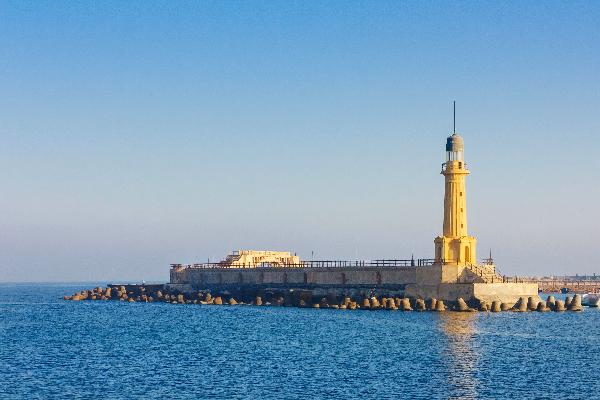
The Citadel of Qaitbay: A majestic 15th-century fortress built on the site of the ancient Lighthouse of Alexandria, one of the Seven Wonders of the Ancient World. It offers stunning views of the Mediterranean Sea.
The Bibliotheca Alexandrina: A stunning modern reincarnation of the ancient Library of Alexandria. It is not only a library but also a cultural complex with museums, planetarium, and exhibition halls.
Kom el Shoqafa Catacombs: A Roman-era necropolis and one of the last major works of Egyptian-style construction. The catacombs blend Pharaonic and Greco-Roman artistic styles.
Pompey’s Pillar: A massive 25-meter red granite column erected in honor of the Emperor Diocletian. It is one of the largest ancient monoliths ever created.
The Corniche: A 15-mile-long waterfront promenade perfect for a stroll. Watch locals fishing, enjoy the sea view, and stop at one of the many seafood restaurants.
Montaza Palace and Gardens: A vast park surrounding a former royal palace. The gardens are a popular spot for picnics and family outings, offering beautiful coastal scenery.
Alexandria Food & Dining
Alexandria is famous for its exceptionally fresh seafood.
Seafood: Visit a fish market like the one at the Anfushi neighborhood, where you can choose your fresh fish and have it grilled on the spot at an adjacent restaurant. Sea bass, red mullet, and calamari are local favorites.
Alexandrian Liver: A popular street food dish of sautéed liver with peppers, garlic, and spices.
Ice Cream: Alexandrian ice cream, like that from famous shops like Elite or Delices, is known for its thick, stretchy texture (like Booza).
Greek Influence: Due to its history, you can find excellent Greek pastries and coffee in many patisseries.
Alexandria Transportation
Tram: Alexandria has an old tram system that is a charming way to see the city. It has two lines, one running east-west along the Corniche.
Taxis: Yellow taxis are plentiful. Ride-hailing apps like Uber are also operational and convenient.
Walking: Many of Alexandria’s main attractions along the Corniche are within walking distance of each other.
Alexandria Accommodation Tips
The Corniche: Staying at a hotel along the Corniche guarantees beautiful sea views. The Four Seasons Hotel Alexandria at San Stefano is a top luxury choice.
City Center: Hotels in the city center provide easy access to the train station, shopping, and restaurants like the historic Cecil Hotel (a Steigenberger property).
Stanley Bridge Area: A quieter part of the Corniche with a good selection of mid-range hotels offering sea views.
Part 4: The Return to Cairo
The return journey to Cairo can be done via the same transportation options: train or bus. This is an opportunity to revisit a favorite spot in Cairo, explore areas you might have missed, or take a day trip.
Recommended Day Trip from Cairo: Memphis and Saqqara
Before flying out, consider a day trip south of Cairo to explore more ancient ruins.
Saqqara: The vast necropolis for the ancient capital of Memphis. It is home to the Step Pyramid of Djoser, the world’s oldest stone pyramid, designed by the architect Imhotep. Recent discoveries here are constantly rewriting Egyptology.
Memphis: The ancient capital of Old Kingdom Egypt. The open-air museum houses a colossal limestone statue of Ramesses II and a giant alabaster Sphinx.
Cultural Insights and Practical Tips
Cultural Etiquette
Dress Modestly: Both men and women should dress conservatively, especially when visiting mosques or religious sites. Women should carry a scarf to cover their hair when required.
Greetings: A simple handshake is common. Some conservative Muslim men and women may not shake hands with the opposite sex; follow their lead with a verbal greeting and a nod.
Bargaining: Expected in markets like Khan el-Khalili. Be polite, friendly, and be prepared to walk away if the price isn’t right.
Tipping (Baksheesh): Tipping is deeply ingrained in the culture for small services. Keep small Egyptian pound notes (EGP 5, 10, 20) handy for restroom attendants, hotel staff, and guides.
Health and Safety
Water: Drink only bottled or purified water. Avoid ice in drinks unless you are sure it’s made from purified water.
Food Safety: Eat at busy restaurants where food turnover is high. Peeled fruits are generally safe.
General Safety: Egypt is generally safe for tourists, but standard precautions apply. Be aware of your surroundings, especially in crowded areas, to avoid pickpocketing. Use hotel safes for valuables.
The Sun: The Egyptian sun can be intense. Use high-SPF sunscreen, wear a hat, and stay hydrated.
Best Time to Visit
October to April: This is the peak tourist season, with pleasant daytime temperatures ideal for sightseeing. Nights can be cool, especially in the desert.
May to September: Summers are extremely hot, particularly in Cairo and Luxor. Alexandria remains cooler due to its coastal location. This is a good time for deals on accommodation.
A Sample 7-Day Itinerary
Day 1-3: Cairo – Arrive in Cairo. Day 1: Visit the Egyptian Museum and explore Downtown/Khan el-Khalili. Day 2: Full day at Giza Plateau and Saqqara. Day 3: Explore Islamic Cairo (Citadel, Al-Muizz Street) and Coptic Cairo.
Day 4-5: Alexandria – Morning train to Alexandria. Day 4: Visit the Bibliotheca Alexandrina, stroll the Corniche, and see the Citadel of Qaitbay. Day 5: Explore Kom el Shoqafa Catacombs, Pompey’s Pillar, and enjoy a long seafood lunch.
Day 6: Return to Cairo & Day Trip – Morning train back to Cairo. Use the afternoon for a trip to Memphis and Saqqara if not done earlier, or for last-minute souvenir shopping.
Day 7: Departure – Final breakfast and transfer to the airport.
A journey from Cairo to Alexandria offers a perfect contrast between the Pharaonic grandeur and Islamic energy of the capital and the Hellenistic history and Mediterranean calm of its northern sister. With careful planning and an open mind, this trip provides an unforgettable deep dive into the heart of Egyptian culture and history.