The Ultimate Iceland Travel Guide: Reykjavik, Golden Circle, South Coast & Blue Lagoon
This comprehensive guide details a classic Icelandic itinerary, a loop journey that captures the nation’s dramatic contrasts. From the modern capital of Reykjavik to the raw power of its waterfalls, glaciers, and volcanic beaches, this route offers an unparalleled adventure through the Land of Fire and Ice. The journey encompasses the historical and geological wonders of the Golden Circle, the majestic waterfalls and black sand beaches of the South Coast, the ethereal beauty of a glacial lagoon, and concludes with the iconic relaxation of the Blue Lagoon.
Day 1: Arrival and Exploring Reykjavik
Most international flights arrive at Keflavik International Airport (KEF), located about 50 minutes from Reykjavik. The most convenient transfer options are airport buses like the Flybus or Gray Line, which offer direct services to major bus terminals in the city, with connecting transfers to individual hotels. Renting a car from the airport is highly recommended for the flexibility required for the rest of the itinerary.
Reykjavik Attractions
Hallgrímskirkja Church: This expressionist church is Reykjavik’s most iconic landmark. Visitors can take an elevator to the top of the bell tower for a panoramic 360-degree view of the city’s colorful rooftops, the sea, and the surrounding mountains.
Harpa Concert Hall: A architectural masterpiece on the waterfront, Harpa’s facade is made of geometric glass panels that reflect the sky and light. It’s free to wander inside and admire the interior, and it often hosts concerts and events.
Sun Voyager (Sólfar): A short walk from Harpa, this striking steel sculpture resembles a Viking longship. It is a dream boat and an ode to the sun, perfectly positioned for viewing during sunset.
The Old Harbour: A lively area where you can find whale watching and Northern Lights tours (in season), excellent seafood restaurants, and quirky museums like the Icelandic Punk Museum.
Perlan (The Pearl): Situated on Öskjuhlíð hill, this glass-domed building offers another superb viewing platform and houses a natural history museum featuring a real ice cave.
Reykjavik Food & Drink
Icelandic cuisine has evolved dramatically, focusing on fresh, local ingredients. Reykjavik is a foodie hub.
Traditional Icelandic Fare: For the adventurous eater, try plokkfiskur (a hearty fish stew), or lamb soup (kjötsúpa). Fermented shark (hákarl) is a challenging traditional dish often sampled by tourists.
Hot Dogs: A must-try is the Icelandic hot dog (pylsa) from Bæjarins Beztu Pylsur, a famous stand. It’s made from lamb and served with raw and crispy onions, remoulade, and mustard.
New Nordic Cuisine: Reykjavik boasts several high-end restaurants like Dill and Grillmarkaðurinn (The Grill Market) that offer modern interpretations of Icelandic ingredients.
Café Culture: Icelanders love their coffee. The city is filled with cozy cafés perfect for a break. Try a kleina, a twisted doughnut-like pastry, with your brew.
Accommodation in Reykjavik
Accommodation ranges from luxury hotels to budget-friendly hostels and guesthouses. For a central location, look for places in the 101 postcode area, which is within easy walking distance of most major attractions. It is advisable to book well in advance, especially during peak season (June-August).
Day 2: The Golden Circle Classic Route
The Golden Circle is a 300-kilometer loop from Reykjavik into southern Iceland and back. It is easily navigable by car and covers three primary sites.
Þingvellir National Park
A UNESCO World Heritage Site, Þingvellir is geologically and historically significant. It is the location of the Alþingi, the world’s oldest existing parliament, established in 930 AD. Geologically, it is where the North American and Eurasian tectonic plates are visibly pulling apart, creating a dramatic rift valley. Visitors can walk through the Almannagjá gorge, see the Öxarárfoss waterfall, and even go snorkeling or diving in the crystal-clear waters of Silfra Fissure.
Geysir Geothermal Area
This active geothermal field is home to numerous hot springs and geysers. While the Great Geysir itself is mostly dormant, its neighbor, Strokkur, erupts reliably every 5-10 minutes, shooting a column of boiling water up to 40 meters into the air. The surrounding area is filled with steaming vents and colorful mineral deposits.
Gullfoss Waterfall
Known as the “Golden Falls,” Gullfoss is a massive, two-tiered waterfall on the Hvítá River. The water plummets 32 meters into a rugged canyon, creating a spectacular display of power and mist. Walkways provide stunning viewpoints from both above and beside the falls. Be prepared to get wet from the spray!
Transportation & Tips
A rental car provides the most flexibility for this day trip. Numerous tour companies also offer guided bus tours from Reykjavik. For a unique experience, consider a Golden Circle tour by super jeep, horseback, or even combined with a snowmobile ride on a glacier. Start early to avoid the largest crowds.
Day 3: South Coast to a Charming Southern Town
The journey along Iceland’s South Coast is one of the world’s most scenic drives, featuring waterfalls, glaciers, and vast coastal landscapes.
Seljalandsfoss and Gljúfrabúi Waterfalls
This iconic 60-meter tall waterfall is unique because visitors can walk on a path that goes completely behind the cascade. This provides a phenomenal 360-degree perspective but requires a waterproof jacket and pants, as you will get soaked. A short 10-minute walk to the east lies Gljúfrabúi, a hidden waterfall tucked inside a canyon. Wading through a shallow stream at the canyon’s entrance reveals a beautiful, secluded falls.
Accommodation in a Southern Town
Towns like Hvolsvöllur, Hella, or Vík serve as excellent bases for exploring the South Coast. These towns offer a range of accommodations from hotels and farm stays to guesthouses. Staying here allows for an early start to beat the crowds at popular sites further east. Vík í Mýrdal is a particularly popular choice due to its dramatic location near the black sand beach.
Day 4: The Dramatic South Coast – Black Sands and Glacial Lagoons
This day is dedicated to the raw, powerful nature of Iceland’s southeastern coast.
Skógafoss Waterfall
Another majestic waterfall on the South Coast, Skógafoss is a powerful, rectangular curtain of water that drops 60 meters. A staircase next to the falls leads to a viewing platform at the top, offering a breathtaking view of the coastline. On sunny days, a single or even double rainbow is often visible at its base.
Reynisfjara Black Sand Beach
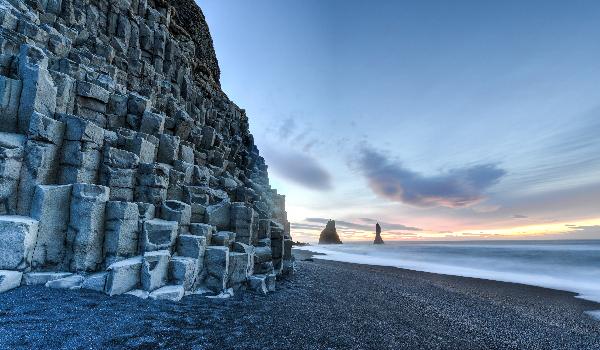
Near the village of Vík, Reynisfjara is often ranked among the world’s most beautiful non-tropical beaches. Its striking black sand is composed of volcanic basalt. The beach is famous for its towering basalt sea stacks (Reynisdrangar), the dramatic cliff of columnar basalt (Reynisberg), and the powerful Atlantic waves.
Extreme caution is required: “Sneaker waves” are unpredictable, strong, and can easily drag people out to sea. Always keep a safe distance from the water.
Jökulsárlón Glacier Lagoon and Diamond Beach
A highlight of any trip to Iceland, Jökulsárlón is a vast glacial lagoon filled with icebergs calving from the Breiðamerkurjökull glacier. The icebergs float in the lagoon in stunning shades of blue and white before drifting out to sea. Visitors can take amphibious boat or zodiac tours amongst the ice. Across the road, on the black sand beach of Breiðamerkursandur, smaller icebergs wash ashore, glittering like diamonds against the dark sand—a phenomenal photo opportunity.
Fjallsárlón Glacier Lagoon
Located just a short drive from Jökulsárlón, Fjallsárlón is a smaller but equally stunning glacial lagoon. It offers a more intimate and often less crowded experience with a spectacular view of the glacier’s tongue descending from Vatnajökull, Europe’s largest ice cap.
Day 5: Return Journey to Reykjavik with Optional Stops
The drive back to Reykjavik can be broken up with stops you may have missed on the way out or revisiting favorite spots.
Skaftafell Nature Reserve: Part of Vatnajökull National Park, this area offers excellent hiking trails leading to viewpoints like Svartifoss waterfall, famed for its basalt column backdrop.
Vík Church: For a classic photo opportunity of Vík’s red-roofed church set against the black sand beaches and sea stacks.
Dyrhólaey Peninsula: A nature reserve south of Vík featuring a massive stone arch stretching into the sea, stunning cliffs, and a historic lighthouse. It’s also a great spot for puffin watching in summer.
Day 6: The Blue Lagoon Experience & Departure
The Blue Lagoon is conveniently located between Reykjavik and Keflavik Airport, making it an ideal final stop before a flight home.
The Blue Lagoon
This world-famous geothermal spa is set in an otherworldly lava field. The milky-blue water is rich in minerals like silica and sulfur, which are renowned for their skin-healing properties. The experience includes a complimentary silica mud mask, and there are swim-up bars for beverages. The water temperature averages 37-39°C (98-102°F), making it enjoyable year-round.
Practical Information
Booking: Pre-booking is mandatory and should be done weeks or even months in advance due to high demand. Choose from Comfort, Premium, or Luxury packages.
Timing: Allocate at least 2-4 hours for the full experience. It’s perfectly timed for a relaxing session before an afternoon or evening flight.
Location: The lagoon is about a 20-minute drive from Keflavik Airport and 50 minutes from Reykjavik.
Cultural Insights and Practical Tips
Tipping Culture
Tipping is not customary or expected in Iceland. Service charges are included in all prices at restaurants, hotels, and for tours. However, if you receive exceptional service, a tip is always appreciated but not required.
The Midnight Sun and Northern Lights
Iceland’s seasons offer starkly different experiences. In summer (May-July), you can experience the Midnight Sun with nearly 24 hours of daylight—perfect for long days of exploration. In winter (September-March), the nights are long and dark, providing the opportunity to witness the Aurora Borealis (Northern Lights).
Packing Essentials
Layers: The weather is notoriously changeable. Pack a base layer, mid-layer (like fleece), and a waterproof and windproof outer shell.
Waterproof Gear: A good rain jacket and pants are essential for visiting waterfalls and dealing with sudden rain showers.
Sturdy Footwear: Waterproof hiking boots with good grip are necessary for exploring uneven and often wet terrain.
Swimsuit: Absolutely essential for the Blue Lagoon and countless other geothermal pools across the country.
Eye Mask: Crucial for sleeping during the bright summer nights.
Shopping & Souvenirs
Popular Icelandic souvenirs include woolen lopapeysa sweaters (hand-knitted from Icelandic wool), skincare products made from geothermal ingredients (like Blue Lagoon skincare), salt licorice, and unique music from Icelandic artists.