The Ultimate Iceland Ring Road Adventure: Reykjavik, Golden Circle, South Coast & More
This comprehensive travel guide outlines a classic Icelandic itinerary, a journey that encapsulates the raw, elemental beauty of the island. The route takes travelers from the vibrant capital of Reykjavik, through the geologically rich Golden Circle, along the dramatic South Coast with its powerful waterfalls and black sand beaches, to the ethereal Jökulsárlón glacier lagoon and ice caves. It’s a tour designed to showcase the staggering diversity of Iceland’s landscapes—fire, ice, water, and earth—all within a manageable and profoundly rewarding circuit.
Part 1: Arrival and Acclimation in Reykjavik
Most journeys to Iceland begin at Keflavik International Airport (KEF), located about a 50-minute drive from the capital city, Reykjavik. The most convenient transfer options are the
Flybus or Airport Direct shuttle services, which offer drop-offs at major bus terminals and many hotels. Renting a car from the airport is highly recommended for the flexibility required for this itinerary.
Introducing Reykjavik
Reykjavik, the world’s northernmost capital, is a compact, colorful, and creative city. It serves as the perfect gateway to Iceland, offering a blend of urban culture and easy access to wild nature. The city’s vibe is laid-back yet sophisticated, with a strong emphasis on art, music, and gastronomy.
Key Attractions in Reykjavik
Hallgrímskirkja Church: This iconic expressionist church, inspired by Iceland’s basalt landscapes, dominates the Reykjavik skyline. Visitors can take an elevator to the top of the tower for a panoramic view of the city’s colorful rooftops and the surrounding mountains and sea.
Harpa Concert Hall: A architectural masterpiece on the waterfront, Harpa’s geometric glass facade reflects the sky and harbor. It’s home to the Icelandic Symphony Orchestra and a vibrant cultural center worth visiting even without attending a show.
Sun Voyager (Sólfar): A stunning steel sculpture of a Viking ship dreamboat, located by the sea. It symbolizes hope, discovery, and freedom and is a popular spot for photography, especially at sunset.
Perlan (The Pearl): Situated on Öskjuhlíð hill, this glass-domed building offers another excellent viewing platform. It also houses a natural history museum and a remarkable indoor ice cave experience.
The Old Harbour: A bustling area where one can find whale watching and Northern Lights tours, excellent seafood restaurants, and unique shops.
Food & Drink in Reykjavik
Icelandic cuisine has evolved dramatically, focusing on fresh, local ingredients. Must-try experiences include:
Hot Dogs (Pylsur): A visit is incomplete without trying a hot dog from Bæjarins Beztu Pylsur. Order “eina með öllu” (one with everything)—a delicious combination of lamb, pork, and beef with crispy onions, raw onions, ketchup, sweet mustard, and remoulade.
Lamb Soup (Kjötsúpa): A hearty and traditional Icelandic lamb and vegetable soup, perfect for colder days.
Fresh Seafood:
Skyr: A thick, protein-rich dairy product similar to yogurt, a staple of the Icelandic diet for over a thousand years.
Reykjavik’s Coffee Culture: The city is dotted with excellent cafes. Embracing the “coffee and pastry” (kaffi og köku) culture is a must.
Accommodation Tips
Reykjavik offers a wide range of accommodations, from luxury hotels to cozy guesthouses and hostels. For a central location, look for places in
Miðbærinn (the city center) or near the Old Harbour. Booking well in advance is crucial, especially during peak season (June-August) and for the Northern Lights season (September-March).
Part 2: Day Trip to the Snæfellsnes Peninsula
Often referred to as “Iceland in Miniature,” the Snæfellsnes Peninsula is a day trip (approximately 2-3 hours drive from Reykjavik) that packs a tremendous variety of landscapes. The crowning glory is the Snæfellsjökull glacier, a stratovolcano famously featured in Jules Verne’s “Journey to the Center of the Earth.”
Key Attractions on Snæfellsnes
Kirkjufell Mountain: This distinctively shaped mountain, often called “the most photographed mountain in Iceland,” is beautifully complemented by the nearby Kirkjufellsfoss waterfalls. It’s a spectacular sight in all seasons.
Snæfellsjökull National Park: Explore the diverse coastline and lava fields around the glacier. The Lóndrangar basalt cliffs and the Vatnshellir lava tube cave are key highlights.
Arnarstapi and Hellnar: Picturesque coastal villages connected by a stunning hiking trail along cliffs with dramatic rock formations and rich birdlife.
Djúpalónssandur and Dritvík: A black sand pebble beach littered with the rusted remains of a shipwreck, featuring four lifting stones that fishermen once used to test their strength.
Berserkjahraun Lava Field: A vast and moss-covered lava field with a rich saga-related history.
Part 3: The Legendary Golden Circle
The Golden Circle is Iceland’s most famous tourist route, easily accessible from Reykjavik. It can be covered in a day but deserves a more leisurely pace. The circuit comprises three primary stops.
Þingvellir National Park
A site of profound historical and geological significance. Þingvellir is a UNESCO World Heritage Site where the Althing, one of the world’s oldest parliaments, was established in 930 AD. Geologically, it is where the North American and Eurasian tectonic plates are visibly pulling apart, creating a dramatic rift valley (Almannagjá). Visitors can walk between two continents and even go snorkeling or diving in the crystal-clear waters of the Silfra Fissure.
Geysir Geothermal Area
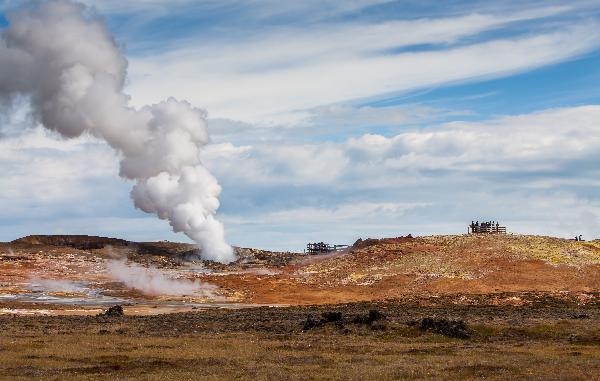
This hot spring area is the namesake for all geysers worldwide. While the Great Geysir itself is mostly dormant, its neighbor,
Strokkur, erupts reliably every 5-10 minutes, shooting a column of boiling water up to 40 meters (130 feet) into the air. The entire area is bubbling with mud pots, fumaroles, and other smaller geysers.
Gullfoss Waterfall
The “Golden Falls” is a massive, two-tiered waterfall on the Hvítá River. As the river water plummets 32 meters into a deep canyon, it creates a powerful spray that often results in stunning rainbows on sunny days. The scale and raw power of Gullfoss are awe-inspiring.
Part 4: The South Coast to Jökulsárlón Glacier Lagoon
The journey along Iceland’s South Coast is arguably one of the most scenic drives on the planet. The road is flanked by glaciers to the north and the Atlantic Ocean to the south, with a succession of waterfalls, black sand beaches, and quaint villages in between.
Seljalandsfoss and Gljúfrabúi Waterfalls
Seljalandsfoss is a graceful 60-meter waterfall that cascades over a cliff. Its unique feature is the pathway that allows visitors to walk fully behind the curtain of water—a truly magical experience (ensure you have waterproof clothing). A short walk to the east lies Gljúfrabúi (the “Canyon Dweller”), a hidden waterfall tucked inside a narrow canyon, accessible by wading through a shallow stream or climbing over rocks.
Skógafoss Waterfall
A short drive east lies the mighty
Skógafoss, one of Iceland’s biggest and most iconic waterfalls. It is 25 meters wide and drops 60 meters with immense power, producing a constant mist and frequent rainbows. A steep staircase next to the falls leads to a viewing platform at the top, offering breathtaking views of the coastline and the starting point of the famous Fimmvörðuháls hiking trail.
The Eyjafjallajökull Region and Black Sand Beaches
The road passes under the infamous Eyjafjallajökull volcano, which erupted in 2010. Further east lies the village of Vík í Mýrdal and the stunning
Reynisfjara black sand beach. This beach is famous for its towering basalt sea stacks (Reynisdrangar), the hexagonal basalt columns of Reynisfjall mountain, and the powerful Atlantic waves. Extreme caution is advised as “sneaker waves” are unpredictable and dangerously strong.
The Diamond Beach and Jökulsárlón Glacier Lagoon
The final destination on this leg of the journey is ethereal.
Jökulsárlón is a vast glacial lagoon filled with icebergs that have calved from the Breiðamerkurjökull glacier. Boat tours (amphibious or zodiac) offer a closer look at the floating ice sculptures. Just across the road, where the lagoon meets the ocean, lies “Diamond Beach,” where icebergs wash ashore onto the black sand, glittering like jewels against the dark backdrop.
Part 5: The Magical Blue Ice Cave Experience
A visit to a natural blue ice cave is a highlight of any winter trip to Iceland (typically available from November through March). These caves form at the edge of glaciers, such as Vatnajökull, as meltwater carves out tunnels and chambers. The compacted ice absorbs all light spectrums except blue, creating an otherworldly, luminous blue interior.
Important Note: Visiting a natural ice cave is only possible with a licensed guide. Tours depart from the Jökulsárlón area or from Skaftafell. Safety is paramount, as conditions on glaciers are constantly changing. This is a truly unique and unforgettable Arctic adventure.
Part 6: Cultural Insights and Practical Tips
The Icelandic Mentality
Icelanders are generally reserved but friendly, practical, and resilient—traits forged by living in a demanding environment. They have a deep connection to their nature, history, and language. Respect for the environment is deeply ingrained; the concept of “
þetta reddast” (it will all work out) reflects a calm and optimistic outlook.
Sustainability and Respect for Nature
Iceland’s ecosystem is fragile. Travelers are expected to follow strict guidelines: always stay on marked paths to protect moss-covered lava fields, never walk on glaciers without a certified guide, never litter, and always respect warning signs at beaches and cliffs.
The Midnight Sun and Northern Lights
Midnight Sun (May-July): During summer, the sun barely sets, providing 24 hours of daylight for exploration. Bring a sleep mask to help you sleep.
Northern Lights (September-April): The Aurora Borealis is a major draw. For optimal viewing, you need clear, dark skies, high solar activity, and patience. Tours are available from Reykjavik and rural areas away from light pollution.
Transportation Summary
Car Rental: The most flexible option. A 4×4 vehicle is highly recommended, especially for traveling in winter (October-April) or for venturing into the Highlands (F-roads, open only in summer).
Guided Tours: Numerous multi-day tours cover this entire itinerary, taking care of all logistics.
Road Conditions: Always check road.is for current road and weather conditions and vedur.is for weather forecasts. Conditions can change rapidly.
Packing Essentials
Layered Clothing: A waterproof and windproof outer layer is essential regardless of season. Thermal base layers, fleece or wool mid-layers, and insulated jackets are crucial.
Waterproof Hiking Boots: Sturdy, ankle-supporting, waterproof footwear is non-negotiable for exploring Iceland’s rugged terrain.
Swimsuit and Towel: For enjoying geothermal pools and hot springs around the country.
Camera, Power Bank, and Extra Memory Cards: The photo opportunities are endless.
A Journey of Elemental Wonders
The circuit from Reykjavik through Snæfellsnes, the Golden Circle, and along the South Coast to Jökulsárlón is more than just a vacation; it’s an immersion into one of Earth’s most dynamic landscapes. It’s a journey where you can walk between continents, witness geysers erupt, feel the spray of mighty waterfalls, walk behind a curtain of water, stand on a black sand beach, and witness icebergs calve from a glacier before washing ashore like diamonds. This itinerary offers a profound connection with nature’s power and beauty, leaving travelers with memories that last a lifetime.