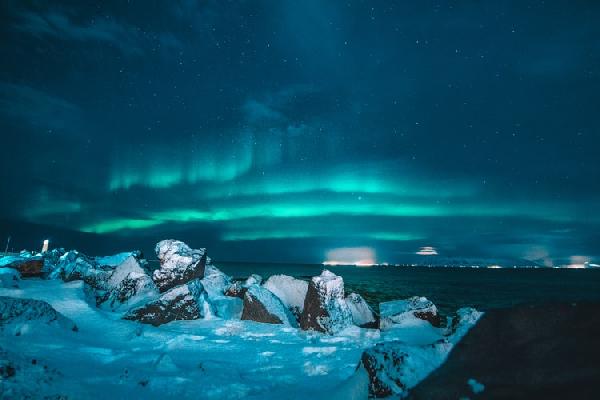
Reykjavik, Iceland: The Ultimate Guide to Chasing the Northern Lights
Reykjavik, the world’s northernmost capital, serves as the perfect gateway to one of nature’s most spectacular displays: the Aurora Borealis. This guide provides a comprehensive overview of planning a trip to Reykjavik with the primary goal of witnessing the Northern Lights, while also exploring the unique culture and landscapes of Iceland.
Best Time to Visit for the Northern Lights
The Northern Lights are a natural phenomenon, and their visibility depends on specific conditions. Understanding the best time to visit is crucial for a successful trip.
Season: The Aurora season in Iceland runs from late September to late March. During this period, the nights are long and dark, providing the necessary canvas for the lights.
Peak Months: October, February, and March are often considered ideal. October offers a good balance of weather and darkness, while February and March have longer daylight hours for other activities and still provide dark nights.
Key Factors: You need darkness, clear skies, and high solar activity. Even during the season, sightings are never guaranteed.
Summer (June-August): Not suitable for Aurora viewing due to the Midnight Sun, where it never gets fully dark.
How to Get to Reykjavik
Reykjavik is easily accessible by air, with most international travelers arriving at Keflavik International Airport (KEF).
Keflavik International Airport (KEF): Located about 50 km (31 miles) southwest of Reykjavik.
Transportation to Reykjavik:
Flybus (Airport Express): The most popular option. A coach service that takes you to the BSÍ Bus Terminal in Reykjavik, with transfer services to major hotels. The journey takes approximately 45-60 minutes.
Public Bus (Strætó): A cheaper but less convenient option. Requires taking bus 55 to the Fjörður terminal and then switching to a city bus.
Taxi/Rental Car: Taxis are expensive. Renting a car at the airport is highly recommended for maximum flexibility, especially for Northern Lights chasing.
Getting Around Reykjavik and Beyond
On Foot: Reykjavik’s city center is compact and very walkable.
Public Buses (Strætó): The bus network is reliable and covers the capital area. You can pay with cash (exact change required) or use the Strætó app.
Rental Car: For exploring outside the city and chasing the Northern Lights independently, a rental car is invaluable. A 4×4 vehicle is recommended, and sometimes required, for winter travel and F-roads (mountain roads, closed in winter).
Taxis: Readily available but costly.
Guided Tours: For Northern Lights and day trips, guided bus tours are an excellent, stress-free option.
Where to Stay in Reykjavik
Reykjavik offers a wide range of accommodation, from luxury hotels to cozy guesthouses and hostels.
City Center (101 Reykjavik): The best area for first-time visitors. Close to restaurants, shops, and landmarks like Hallgrímskirkja.
Luxury: Canopy by Hilton, Tower Suites.
Mid-Range: Alda Hotel, CenterHotel Þingholt.
Budget: Kex Hostel, Loft Hostel.
Miðbær & Vesturbær: Adjacent to the center, these neighborhoods are quieter but still within walking distance of main attractions.
Hafnarfjörður: A charming town just south of Reykjavik, known for its lava fields and elf folklore. Good for those with a car.
Booking Tip: Book well in advance, especially during the peak Northern Lights season.
The Ultimate Northern Lights Guide
Understanding the Aurora Borealis
The Northern Lights are caused by charged particles from the sun (solar wind) colliding with gases in Earth’s atmosphere. The colors depend on the type of gas: oxygen produces green and red lights, while nitrogen produces blue and purple.
How to Forecast the Northern Lights
Reliable forecasting is key to a successful hunt.
Aurora Forecast Website (vedur.is): The official Icelandic Meteorological Office website. It provides a cloud cover forecast and an Aurora forecast (0-9 scale). Aim for a forecast of 3 or higher on a clear night.
Cloud Cover: This is often the most critical factor. You need clear or partially clear skies. Use vedur.is to find areas with minimal cloud cover.
Solar Activity (KP Index): Measures geomagnetic activity on a scale of 0-9. A KP index of 2 or 3 is often sufficient for visible Aurora in Iceland. Higher indices increase the chance and intensity.
Mobile Apps: Apps like “Aurora Forecast” and “My Aurora Forecast & Alerts” can provide real-time data and notifications.
Chasing the Lights: Tour vs. Independent
Joining a Guided Tour (Recommended for first-timers):
Pros: Expert guides know the best locations and weather patterns; transportation is included; most offer a free second tour if you don’t see any lights.
Cons: Less flexibility; you are part of a group.
Types of Tours: Large coach tours, smaller minibus tours (more agile), super jeep tours (can access more remote areas), and boat tours from Reykjavik’s harbor.
Hunting Independently (With a Rental Car):
Pros: Complete freedom and flexibility; you can wait as long as you want at a location.
Cons: Requires research and confidence in driving in potentially difficult winter conditions; no expert guidance.
Essential Tips for Independent Hunting:
Check the Forecast: Use vedur.is to find a spot with clear skies and a high Aurora forecast.
Get Out of Town: Drive away from Reykjavik’s city lights to reduce light pollution. Popular areas include Þingvellir National Park, the Reykjanes Peninsula, and along the South Coast towards Vík.
Find a Safe Spot: Pull over completely off the road in a safe location like a designated parking lot or viewing area.
Be Patient: The lights can appear for a few minutes or last for hours. Dress warmly and wait.
Best Spots Near Reykjavik for Northern Lights Viewing
Grótta Lighthouse: Located on the Seltjarnarnes peninsula, just a short drive from the city center. It’s a popular spot, but be mindful of the tide as the access road can flood.
Þingvellir National Park: A UNESCO World Heritage site about a 45-minute drive away. Its vast, dark landscapes provide a stunning backdrop.
Reykjanes Peninsula: Home to the Blue Lagoon and Keflavik Airport, this area has many dark, coastal spots with dramatic lava fields.
Hvalfjörður (Whale Fjord): North of Reykjavik, this fjord offers darkness and beautiful mountain scenery.
Photographing the Northern Lights
Camera: A DSLR or mirrorless camera with manual settings is essential.
Tripod: Absolutely non-negotiable. You will be taking long exposures.
Lens: A wide-angle lens with a large aperture (f/2.8 or lower) is ideal.
Settings (Starting Point):
Mode: Manual (M)
Aperture: Widest (e.g., f/2.8)
ISO: 1600 – 3200
Shutter Speed: 5 – 25 seconds (start at 15s and adjust)
Focus: Set to manual and focus on infinity (∞). Use live view on a bright star to ensure sharp focus.
Extras: Bring extra batteries, as they drain quickly in the cold. A remote shutter release can also help prevent camera shake.
Aurora Etiquette & Safety
Dress Warmly: You will be standing still for long periods. Wear thermal layers, a windproof and waterproof outer layer, warm socks, gloves, and a hat.
Be Patient and Quiet: The experience is often a quiet, meditative one for many. Respect others around you.
Drive Safely: Winter roads can be icy and treacherous. Never stop in the middle of the road to look at the lights. Always use designated pull-offs.
Respect Private Property: Do not trespass on private land to get a better view.
Sightseeing in Reykjavik
While waiting for darkness to fall, explore Iceland’s vibrant capital city.
Landmarks & Culture
Hallgrímskirkja Church: The city’s most iconic landmark. Take the elevator to the top for a panoramic view of Reykjavik’s colorful rooftops and the surrounding mountains and sea.
The Sun Voyager (Sólfar):A stunning stainless steel sculpture of a Viking ship-dream boat, located by the seaside. It’s particularly beautiful at sunrise or sunset.
The Pearl (Perlan):Sits on top of hot water tanks and offers a 360-degree viewing platform. It also houses a museum about Iceland’s natural wonders, including an artificial ice cave.
The National Museum of Iceland:Tells the story of Iceland’s history from the Viking Settlement to the modern day.
The Saga Museum:A wax museum that vividly recreates key moments from Iceland’s medieval sagas.