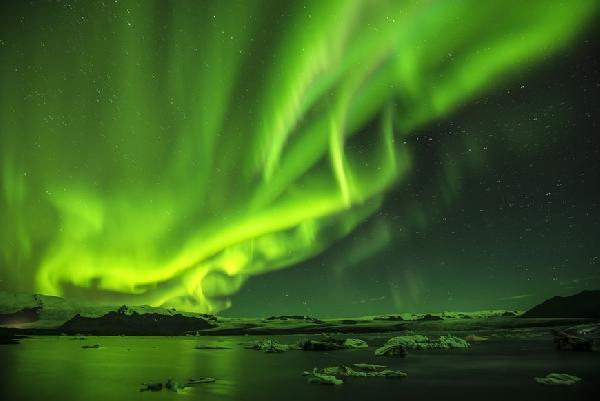
Reykjavík, Iceland: A Gateway to the Northern Lights
Reykjavík, the world’s northernmost capital, is a city of striking contrasts. It’s a place where colorful, corrugated-iron houses stand against a backdrop of rugged mountains and a vast, often steely-gray sky. The air is crisp and clean, and the atmosphere is one of both vibrant energy and profound tranquility. For many travelers, Reykjavík serves as the perfect launchpad for one of nature’s most spectacular displays: the Aurora Borealis, or Northern Lights. This guide will take you through the heart of this unique city and out into the dark, Icelandic nights in pursuit of that elusive, celestial dance.
Part 1: The Heart of the City – Exploring Reykjavík
Before you chase the lights, take time to explore the charming and compact city center. Reykjavík is a city best explored on foot, where you can stumble upon vibrant street art, cozy coffee shops, and a deep-seated cultural pride.
Major Attractions
Hallgrímskirkja Church: This iconic concrete church, inspired by Iceland’s basalt lava flows, dominates the Reykjavík skyline. Take the elevator to the top of the bell tower for a breathtaking 360-degree panoramic view of the city’s colorful rooftops, the Faxaflói Bay, and the distant mountains.
Harpa Concert Hall: A masterpiece of modern architecture, Harpa’s geometric glass facade reflects the sky, sea, and city lights. Even if you don’t attend a concert, wandering through its shimmering interior is an experience in itself. The play of light, especially during sunrise or sunset, is mesmerizing.
Sun Voyager (Sólfar): This elegant steel sculpture on the city’s waterfront resembles a Viking longship. It’s not a tribute to the past, but rather a “dream boat and a tribute to the sun” symbolizing hope, freedom, and the promise of undiscovered territory. It’s a fantastic spot for photos, particularly in the soft light of the afternoon.
Perlan (The Pearl): Situated on Öskjuhlíð hill, this glass-domed building offers another superb viewpoint. Inside, you’ll find the “Wonders of Iceland” exhibition, which includes a real indoor ice cave and a northern lights planetarium show—a great primer for your real-life hunt.
The National Museum of Iceland: To understand modern Iceland, you must understand its past. This museum offers a comprehensive overview of Icelandic history from the Viking settlement era to the present day, featuring artifacts like medieval swords, religious carvings, and beautifully crafted tools.
Culinary Delights: What and Where to Eat
Icelandic cuisine has evolved dramatically, moving beyond its traditional roots to embrace New Nordic innovation while still honoring its heritage.
Traditional Tastes: Be adventurous and try hákarl (fermented shark), a challenging delicacy often washed down with a shot of Brennivín schnapps. More palatable classics include plokkfiskur (a hearty fish stew), Icelandic lamb soup (kjötsúpa), and the ubiquitous hot dog (pylsa) with crispy and soft onions, remoulade, and mustard from Bæjarins Beztu Pylsur.
New Nordic Innovation: Reykjavík boasts a world-class food scene. Restaurants like Dill, Grillmarkaðurinn (Grill Market), and Matarkjallarinn (Food Cellar) focus on locally sourced, seasonal ingredients, presenting them in creative and beautiful ways. Think smoked lamb, Arctic char, and skyr cheesecake.
Coffee Culture: Icelanders are serious about their coffee. The city is dotted with excellent cafés like Reykjavík Roasters and Kaffibrennslan, which serve as social hubs. It’s the perfect way to warm up during a day of exploration.
Getting Around
On Foot: The city center is very walkable. You can easily cover most major attractions in a day or two by walking.
Public Buses (Strætó): For destinations further out, like Perlan or the domestic airport, Strætó is the affordable option. Purchase tickets via their app for convenience.
Taxis and Rideshares: Taxis are available but expensive. The Hopp electric scooter app is a popular and fun way to zip around the city center.
Rental Car: For maximum flexibility, especially for Northern Lights hunting outside the city, renting a car is highly recommended. Be aware that driving in winter requires caution and a 4×4 vehicle is often advisable.
Part 2: The Great Pursuit – Chasing the Northern Lights
The Aurora Borealis is the main event for many visitors. This natural phenomenon occurs when charged particles from the sun collide with gases in Earth’s atmosphere, creating shimmering curtains of green, pink, purple, and white light.
When to Go
The Northern Lights season in Iceland runs from
late September to mid-April. During this period, the nights are long and dark enough to see the lights. The peak months are often considered September-October and February-March, when solar activity is high and weather conditions can be more stable than in the deep winter.
How to Maximize Your Chances
Check the Forecasts: Use two key resources: the Aurora Forecast (which shows auroral activity on a scale of 0-9) and the Icelandic Met Office (for cloud cover and weather conditions). You need both a high activity level (3 or above is good) and a clear, dark sky.
Get Out of Town: Light pollution from Reykjavík can dim the lights. To see them in their full glory, you need to drive away from the city lights. Popular spots include Þingvellir National Park, the Grotta lighthouse, and the beaches along the southern coast.
Be Patient: Aurora hunting is a waiting game. Dress in multiple warm layers, bring a thermos with a hot drink, and be prepared to spend several hours outside. The lights can appear for just a few minutes or dance for hours.
Consider a Guided Tour: Joining a Northern Lights tour can be an excellent option. The guides are experts at reading forecasts and know the best locations for clear skies. They will also often provide insights into the science and folklore of the lights. Options range from large bus tours to super-jeep excursions and even boat tours from Reykjavík’s harbor.
A Typical Northern Lights Hunt Experience
Your evening will begin around 9 or 10 PM. You’ll check the forecasts one last time before heading out. If you’re on a tour, you’ll meet your guide who will assess the best direction to travel for clear skies. The drive can be an hour or more into the darkness of the Icelandic countryside. Upon arrival at a secluded spot—perhaps a frozen lake or a black sand beach—you’ll step out into the cold silence. The wait begins. You’ll stare at the stars, your breath forming clouds in the air. Then, a faint, wispy green streak might appear. It’s easy to mistake it for a cloud at first, but then it strengthens, moves, and begins to swirl across the sky. The experience is profoundly humbling and utterly magical. The colors shift and pulse, creating a silent performance that feels both intimate and infinite.
Part 3: Cultural Insights and Local Etiquette
Understanding Icelandic culture will enrich your travel experience immensely.
The Sagas: Icelanders have a deep connection to their medieval literature, the Sagas. These epic tales of heroes, feuds, and exploration are considered the bedrock of their national identity.
Nature Connection: Icelanders have a profound respect for their powerful and volatile natural environment. This is reflected in their sustainable practices and their love for outdoor activities, regardless of the weather.
Elves and Hidden Folk: A significant portion of the population either believes in or respects the possibility of “huldufólk” (hidden folk) or elves. This folklore stems from a deep connection to the rugged landscape, where lava fields and unusual rock formations are seen as homes to these beings. It’s considered respectful not to mock these beliefs.
Swimming Pool Culture: Visiting a local geothermal swimming pool or “sundlaug” is a quintessential Icelandic experience. It’s where locals of all ages go to socialize, relax, and discuss everything from politics to family matters. Remember to shower thoroughly without your swimsuit before entering the pool—it’s a strict rule of hygiene.
Part 4: Practical Travel Tips
Budgeting: Iceland is expensive. Budget accordingly for meals, accommodation, and activities. To save money, consider shopping at Bonus or Krónan supermarkets for groceries and picnics.
What to Pack: The key is layering.
Base Layer: Thermal underwear (wool or synthetic).
Mid Layer: A fleece or wool sweater.
Outer Layer: A waterproof and windproof jacket and pants.
Footwear: Sturdy, waterproof boots with good grip.
Accessories: A warm hat (tuque), gloves, scarf, and thick wool socks are non-negotiable.
Tipping: Tipping is not customary or expected in Iceland. Service charges are included in all prices.
The Language: While Icelandic is the official language, English is spoken fluently by almost everyone you will meet.
Safetravel.is: Before heading out on any trip, especially for Northern Lights hunting, check safetravel.is for road conditions and weather alerts.
A Journey of Fire, Ice, and Light
A trip to Reykjavík in search of the Northern Lights is more than just a vacation; it’s an immersion into a land of elemental power. It’s the warmth of a geothermal pool on a cold day, the taste of fresh fish stew after a long walk, the silent awe of watching green fire ripple across the Arctic sky. Reykjavík provides a comfortable and captivating base from which to explore this raw beauty. With careful planning, patience, and a sense of adventure, your journey will likely become one of your most treasured travel memories—a story of chasing light in the heart of the Nordic darkness.