Oahu Explorer: A Comprehensive Guide from Airport to Pearl Harbor, City Tour, Mini Circle Island, and Polynesian Cultural Center
This travel guide details a classic and enriching itinerary for first-time visitors to Oahu, Hawaii. It is designed as a seamless journey, beginning with your airport pickup and concluding with your departure, covering some of the island’s most significant historical, natural, and cultural highlights. The flow—Airport, Pearl Harbor, Honolulu City Tour, Mini Circle Island Drive, and the Polynesian Cultural Center—offers a perfect blend of reflection, urban exploration, scenic beauty, and immersive cultural discovery.
Part 1: Airport Pickup & Arrival in Honolulu
Your Hawaiian adventure begins the moment you step out of the Daniel K. Inouye International Airport (HNL). The warm, humid air, often carrying the faint scent of plumeria, provides your first authentic taste of the tropics.
Transportation Options from HNL:
Ride-Sharing (Uber/Lyft): The most convenient option. Designated pick-up zones are located on the center median of the terminal roadways. Follow the clear signage from baggage claim.
Taxi: Readily available at the taxi stands outside the baggage claim areas on the ground level. Fares to Waikiki are typically a set rate.
Shuttle Services: Shared-ride shuttles like Roberts Hawaii or SpeediShuttle offer a cost-effective way to get to your hotel. You will need to book in advance or at the courtesy phones in the baggage claim area.
Rental Car: If you plan on renting a car for part of your trip, the rental car facility is a short shuttle ride from the main terminal. Insider Tip: For this specific itinerary, you may only need a rental car for the Mini Circle Island day. Using ride-sharing for airport transfer and tours can save you from expensive hotel parking fees in Waikiki.
The drive from the airport to the tourist hub of Waikiki takes approximately 20-40 minutes depending on traffic. You’ll pass by the industrial areas of Honolulu before catching glimpses of the iconic Diamond Head crater and the sparkling blue waters of the Pacific Ocean.
Part 2: Pearl Harbor Historic Sites
A visit to Pearl Harbor is a profound and essential experience, offering a sobering look at a pivotal moment in world history. Plan to dedicate at least half a day to fully appreciate the site.
Key Attractions within the Pearl Harbor National Memorial:
USS Arizona Memorial: The centerpiece of the visit. You will watch a 23-minute documentary film detailing the attack before taking a Navy boat shuttle to the memorial, which rests directly above the sunken battleship. It is a silent, powerful tribute to the 1,177 crewmen who lost their lives. Practical Tip: Reservations are highly recommended and can be made online in advance through the recreation.gov website. A limited number of walk-in tickets are available daily but require an early arrival.
USS Bowfin Submarine Museum & Park: Tour the “Pearl Harbor Avenger,” a WWII-era submarine. Walking through its narrow corridors provides a tangible sense of the cramped conditions submariners endured.
Battleship Missouri Memorial: Located on Ford Island (accessible via a shuttle from the main visitor center), the “Mighty Mo” is the battleship where the Japanese surrender was signed, ending WWII. The tour offers a stark contrast between the beginning and end of the American war in the Pacific.
Pacific Aviation Museum: Also on Ford Island, this museum houses aircraft from WWII and other conflicts, many displayed in hangars that still bear bullet holes from the 1941 attack.
Cultural & Practical Insights:
The atmosphere at Pearl Harbor is one of reverence and respect. Visitors are advised to dress modestly. A bag policy is strictly enforced; no bags that offer concealment (e.g., purses, backpacks, camera bags) are permitted. You can check bags for a fee at the entrance or bring a small, clear plastic bag. Allow time for security screening. There is no commercial food available within the memorial, but there is a concession stand near the entrance.
Part 3: Honolulu City Tour & Downtown Highlights
After the heavy history of Pearl Harbor, a tour of downtown Honolulu provides a look at the political, royal, and modern heart of Hawaii.
Key Attractions in Downtown Honolulu:
Iolani Palace: The only official royal palace in the United States. This magnificent building was the residence of the Hawaiian monarchy until Queen Lili’uokalani was overthrown in 1893. A guided tour is essential to understand the history and opulence of the Hawaiian kingdom.
Kawaiaha’o Church: Known as the “Westminster Abbey of the Pacific,” this historic church is built from 14,000 coral slabs. It stands as a testament to the early missionaries in Hawaii.
King Kamehameha I Statue: A bronze statue honoring the king who united the Hawaiian Islands. It stands across from Iolani Palace and is often draped in fresh lei.
Aloha Tower: Once the tallest building in Hawaii, this historic landmark welcomed ship passengers to Honolulu in the early 20th century. You can take an elevator to the top for panoramic views of the harbor and city.
Chinatown: A vibrant and historic district filled with markets, herbal shops, art galleries, and restaurants. It’s a fantastic place to explore and sample diverse foods.
Food & Refreshment:
For a quick and authentic local lunch, seek out a “plate lunch” spot. This classic Hawaiian meal typically consists of “two-scoop rice,” macaroni salad, and a main protein like Kalua Pig (shredded pork), Teriyaki Beef, or Fried Mahi-Mahi. Downtown and Chinatown have several excellent, no-frills options. For a sweet treat, find a shop selling
malasadas (Portuguese donuts without a hole, rolled in sugar). Leonard’s Bakery is the most famous, but many local spots offer delicious versions.
Part 4: Mini Circle Island Tour
This tour takes you beyond Honolulu to experience Oahu’s breathtaking windward (eastern) coast, showcasing its dramatic cliffs, lush valleys, and world-famous beaches.
Typical Stops on a Mini Circle Island Tour:
Diamond Head Lookout: Offers a spectacular postcard view of this iconic volcanic crater from the outside.
Hanauma Bay Lookout: A stunning view into this protected cove, a nature preserve and former volcanic crater known for its exceptional snorkeling. (Note: Advanced reservations are now required to actually enter and snorkel at Hanauma Bay).
Halona Blowhole & Cove: A natural rock formation where ocean waves force water through a lava tube, creating a geyser-like effect. The adjacent “Eternity Beach” (from the movie *From Here to Eternity*) is a beautiful but dangerous spot for swimming.
Makapu’u Point & Lookout: Offers panoramic views of the windward coast and the offshore seabird sanctuary, Manana (Rabbit) Island.
Waimanalo Beach: A long, stunning stretch of white sand backed by ironwood trees, often less crowded than its famous neighbor.
Nu’uanu Pali Lookout: A historically significant site where King Kamehameha I forced defending warriors off the cliffs to secure his rule over Oahu. The lookout provides breathtaking views of the windward side and is notoriously windy.
Byodo-In Temple: Located in the Valley of the Temples memorial park, this is a non-practicing Buddhist temple replica of a 950-year-old temple in Uji, Japan. Its serene setting against the Ko’olau mountains is beautiful for quiet reflection.
Transportation & Local Insights:
This tour is best done by renting a car for a day or joining a guided tour. Driving yourself offers flexibility, while a guided tour provides historical and cultural commentary. The windward side is often wetter than Honolulu, so expect the possibility of passing showers that contribute to the region’s famous lush, green landscape. Stop at a local fruit stand along the way to try fresh coconut, pineapple, or apple bananas.
Part 5: Polynesian Cultural Center
Located on Oahu’s North Shore in Laie, the Polynesian Cultural Center (PCC) is an immersive living museum that celebrates the cultures of Polynesia. It is best planned as a full-day excursion from Waikiki.
The Villages & Activities:
The PCC is divided into six representative villages: Hawaii, Samoa, Aotearoa (New Zealand), Fiji, Tahiti, and Tonga. At each village, native performers and ambassadors demonstrate crafts, games, music, and dance.
Samoa: Often a crowd favorite for its hilarious and engaging demonstrations on climbing coconut trees, making fire, and cracking jokes.
Aotearoa: Learn about the Maori culture, including the powerful Haka war dance.
Tahiti: Witness the incredibly fast hip-shaking tamure dance.
Tonga: Be entertained by Tongan drumming and comedy.
Fiji: Discover traditional architecture and pottery.
Hawaii: Learn to hula dance and about the history of the Hawaiian people.
A key activity is the canoe pageant, where performers from each village float by on large canoes, showcasing their unique songs and dances.
The Evening Show: “HA: Breath of Life”
The day culminates in an unforgettable evening show. “HA: Breath of Life” is a spectacular production with a cast of over 100 performers. It tells a story of birth, life, love, and death through mesmerizing fire knife dancing, vibrant costumes, and powerful music. It is a must-see performance.
Insider Tip: Book packages that include both the daytime admission and the evening show. The luau buffet dinner offered by the PCC is also a great way to sample a variety of Polynesian and Hawaiian foods in one sitting.
Cultural & Practical Insights:
The PCC is operated by Brigham Young University-Hawaii, and many of its student employees are from the Polynesian islands they represent. This adds a layer of authenticity to the experience. The drive from Waikiki to Laie can take 60-90 minutes each way, so plan accordingly. Many tour companies offer packages that include transportation from Waikiki hotels.
Part 6: Departure & Airport Drop-off
As your journey concludes, planning your departure is crucial for a stress-free end to your vacation.
Pre-Departure Checklist:
Lei Tradition: It is customary in Hawaii to give lei as a farewell gift. You can purchase fresh plumeria or orchid lei at many hotels or at the airport itself to wear on your flight home.
Agricultural Inspection: Hawaii has strict agricultural laws to protect its unique ecosystem. All checked and carry-on baggage is screened for plants, fruits, and soil before entering the terminal. Ensure you have not packed any prohibited items.
Check-in: HNL can be very busy. Allow extra time for check-in, baggage drop, and security screening. Most major U.S. carriers participate in TSA PreCheck for faster security processing.
Transportation to HNL:
The same options used for arrival are available for departure: ride-sharing, taxis, shuttles, or rental car return. Schedule your pickup with ample buffer time—at least 3 hours before a domestic flight and 4 hours for an international flight is recommended.
Sitting in the departure lounge, adorned with a fragrant lei, you’ll have time to reflect on a journey that took you from the solemn depths of history at Pearl Harbor, through the vibrant heart of Honolulu, along the stunning natural beauty of the coast, and deep into the living cultures of Polynesia—a truly comprehensive exploration of Oahu.
General Travel Tips for Oahu
Weather & Clothing: Hawaii’s weather is consistently warm but can vary by region (leeward vs. windward). Pack light clothing, swimwear, a rain jacket, and sturdy shoes for hiking. Sunscreen (reef-safe is encouraged) and a hat are essential.
Respectful Conduct: Be respectful when visiting sacred sites like heiau (temples) and cemeteries. It is considered disrespectful to remove lava rocks or sand as souvenirs.
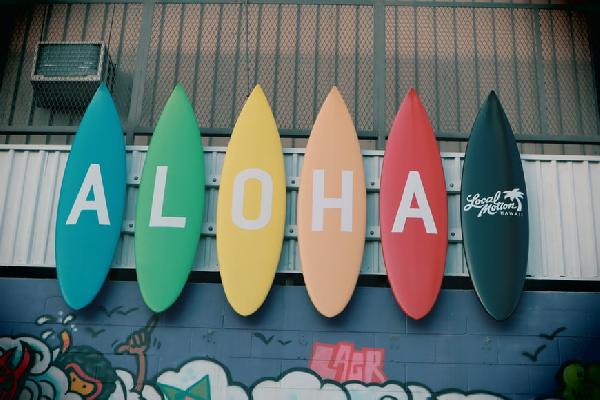
The Spirit of Aloha: Embrace the local culture of kindness and respect. A simple “mahalo” (thank you) goes a long way.
Cuisine: Don’t leave without trying local specialties like Poke (seasoned raw fish), Shave Ice, Loco Moco (rice, hamburger patty, fried egg, gravy), and fresh tropical fruit from a farmers’ market.
A well-planned trip following this itinerary will provide you with a deep and memorable understanding of Oahu’s complex history, stunning landscapes, and rich cultural tapestry.