Kirkenes: The Arctic Gateway of Norway
Located in the far northeastern corner of Norway, in the county of Finnmark, Kirkenes is a unique and resilient town that serves as a gateway to the Arctic. Situated just a few miles from the Russian border, it lies further east than both Istanbul and St. Petersburg. With a population of around 3,500, Kirkenes is a small but significant hub, known for its rich history, dramatic landscapes, and its position at the crossroads of Norwegian and Russian cultures. It is one of the best places in the world to witness the ethereal Northern Lights and experience the phenomenon of the Midnight Sun. Once a remote mining town, it has transformed into a center for Arctic adventure, offering a blend of raw nature, intriguing history, and warm local hospitality.
Introduction to Kirkenes
Kirkenes, whose name translates to “church peninsula,” has a history deeply shaped by its geography. Its development was propelled by the iron ore mining industry at the nearby Bjørnevattn mine, which operated for much of the 20th century. The town’s strategic location made it one of the most bombed places during World War II, a past that is respectfully remembered in its museums and memorials. Today, the economy is sustained by the nearby Snowhotel, king crab fishing, tourism, and its role as a port of call for the Coastal Express (Hurtigruten). The town experiences a subarctic climate, with cold, snowy winters and mild, green summers characterized by 24-hour daylight.
Top Attractions and Activities
King Crab Safari
Undoubtedly one of the most popular activities in Kirkenes, the King Crab Safari is a must-do Arctic adventure. Participants are taken on a thrilling snowmobile or boat ride (depending on the season) to fjords where these colossal crustaceans are found. Dressed in warm survival suits, visitors can watch as professional guides haul up traps filled with giant red king crabs, which can have a leg span of up to two meters. The experience typically culminates in a feast where the freshly caught crab is boiled and served with bread, mayonnaise, and lemon, offering an incredibly fresh and delicious taste of the Barents Sea.
The Snowhotel (Kirkenes Snowhotel)
Built entirely from snow and ice each winter, the Kirkenes Snowhotel is a marvel of ephemeral architecture. Every year, artists from around the world are invited to carve new themes and intricate designs into the hotel’s rooms, chapel, and common areas. Guests can choose to spend a night sleeping in thermal sleeping bags on ice beds or simply take a day tour to admire the artistry. The complex also includes a warm restaurant serving local specialties and the “Gabba,” a traditional Sami lavvu (tent) where visitors can learn about Sami culture and meet reindeer.
Hurtigruten Coastal Express
Kirkenes is the starting or ending point for the legendary Hurtigruten voyage along Norway’s western coast. While not a single attraction, embarking on or disembarking from this ship is a key part of the Kirkenes experience for many travelers. The port is a hive of activity as the ship docks, bringing supplies and visitors to this remote community. Even for those not taking the full voyage, watching the ship come and go is a spectacle that connects Kirkenes to the rest of coastal Norway.
Grenselandmuseet (The Borderland Museum)
To understand Kirkenes, one must understand its past. The Grenselandmuseet provides a profound and moving insight into the region’s history, particularly during World War II. The museum details the heavy bombing Kirkenes endured, the Soviet liberation in 1944, and the subsequent reconstruction. It also covers the history of mining, the unique borderland culture with Russia, and the local Sami heritage. The outdoor section includes part of the Andersgrotta air-raid shelter, which protected thousands of citizens during air attacks.
The Russian Border and Storskog Border Station
Being so close to an international border is a defining feature of Kirkenes. While crossing the border requires a valid Russian visa (and is subject to current political regulations), it is possible to travel to the Storskog border station itself. The “Road to the East” leads directly to the border, a tangible reminder of Norway’s unique geopolitical position. The proximity to Russia has fostered a distinct cultural exchange, visible in the local shops, cuisine, and the bilingual street signs in Norwegian and Russian.
Northern Lights (Aurora Borealis) Hunting
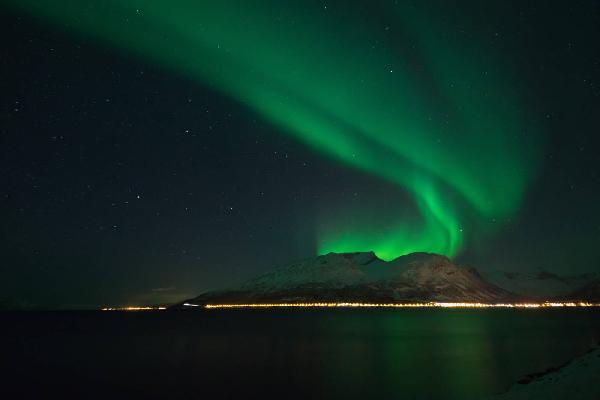
Due to its location well within the Arctic Circle and its periods of darkness in the winter, Kirkenes is an excellent destination for viewing the Northern Lights. From late September to late March, on clear nights, the sky often dances with green, pink, and violet hues. Numerous tour operators offer guided Northern Lights safaris, taking visitors away from town lights to optimal viewing spots by minivan, snowmobile, or on a reindeer sled. Some tours even include a campfire where you can enjoy a warm drink while waiting for nature’s light show.
Midnight Sun and Summer Activities
From mid-May to late July, Kirkenes experiences the Midnight Sun, where the sun never dips below the horizon. This period transforms the landscape and allows for unique activities at all hours. Popular summer pursuits include hiking in the surrounding wilderness, fishing in pristine rivers and lakes, riverboat safaris along the Pasvik River, and bird watching. The Pasvik Valley is home to a rich variety of birdlife, including rare species like the Steller’s eider and great grey owl.
Food and Dining
The culinary scene in Kirkenes is a direct reflection of its environment: fresh from the sea, influenced by its neighbors, and hearty enough to sustain you through an Arctic day.
King Crab: As mentioned, this is the star of the show. It is typically served simply boiled to let its sweet, succulent flavor shine.
Other Seafood: Don’t miss out on other local catches like cod, halibut, salmon, and scallops. “Fiskeboller” (fish balls) in a white sauce is a classic Norwegian comfort food.
Reindeer Meat: A traditional Sami and Norwegian staple, reindeer is often served as a steak, in a stew (“reinsdyrgryte”), or dried as “reinskav.” It is lean, tender, and has a rich, gamey flavor.
Cloudberries: This golden Arctic berry is a delicacy, often found in desserts like “multekrem” (cloudberries with whipped cream) or as a jam.
Russian Influences: Due to the cross-border trade, Russian products like “kvass” (a fermented beverage), pelmeni (dumplings), and various sweets are readily available in local grocery stores.
Recommended Restaurants:
Brygga Restaurant: Located by the harbor, it offers stunning views and specializes in fresh seafood and local ingredients like king crab and reindeer.
Snowhotel Restaurant: Serves set menus that are a culinary journey through Arctic flavors in a unique setting.
Gabba Reindeer Lodge: For an authentic Sami experience, enjoy a traditional meal inside a lavvu tent.
Transportation: Getting There and Around
Getting to Kirkenes
By Air: Kirkenes Airport, Høybuktmoen (KKN) is the main gateway. It has direct flights from Oslo with airlines like SAS and Norwegian. There are also flights from other Norwegian cities like Tromsø.
By Sea: The Hurtigruten Coastal Express calls at Kirkenes daily. It is either the turning point for southbound voyages or the final destination for northbound ones.
By Car: Driving to Kirkenes is a long but scenic road trip via the E6 highway. It’s important to be prepared for vast distances, changing weather conditions, and wildlife on the roads.
By Bus: There are long-distance bus services connecting Kirkenes to other towns in Finnmark.
Getting Around Kirkenes
On Foot: The town center is compact and easily walkable.
Bicycle: Biking is a pleasant way to explore the area during the summer months.
Car Rental: Renting a car is recommended for those who wish to explore further afield, such as driving to the Russian border or into the Pasvik Valley. Several international and local agencies operate at the airport.
Taxis and Local Buses: Taxis are available, and there is a local bus network that serves the town and its immediate surroundings.
Tours: For most major attractions like king crab safaris, dog sledding, and Northern Lights hunting, transportation from your accommodation is almost always included in the tour price.
Accommodation Tips
Kirkenes offers a range of accommodation options, from unique Arctic experiences to comfortable city hotels.
The Snowhotel (Seasonal): For a once-in-a-lifetime experience. Guests get a briefing on how to sleep in the cold and are provided with extreme-cold sleeping bags. It’s advisable to also book a warm room for before or after your ice night.
Thon Hotel Kirkenes: A modern and popular hotel located right by the water. It often serves as a hub for tour operators and Hurtigruten passengers. Its breakfast buffet is renowned for its quality and variety.
Scandic Kirkenes: Another reliable hotel option in the town center with comfortable rooms and good facilities.
Sollia Gjestegård: A charming, family-run mountain lodge located about a 20-minute drive from town. It offers a more rustic, peaceful atmosphere with home-cooked meals.
Apartments and Guesthouses: For longer stays or for those preferring self-catering, there are several apartments and guesthouses available for rent.
Booking Tip: It is highly recommended to book accommodation well in advance, especially during peak seasons like the Northern Lights winter period and summer.
Cultural Insights and Practical Tips
The Sami People
The indigenous Sami people have inhabited this region for thousands of years. Their culture, language, and traditions based on reindeer herding are an integral part of Northern Norway’s identity. Visitors are encouraged to learn about Sami culture respectfully through organized tours and visits to places like the Gabba lodge.
“The Borderland” Mentality
The people of Kirkenes are known for their resilience and openness, shaped by a harsh climate and a history of cross-border interactions. The relationship with Russia is a part of daily life, evident in everything from business to personal connections. This creates a distinct “borderland” culture that is different from other parts of Norway.
Shopping and Souvenirs
Look for authentic Norwegian wool products (“genser” sweaters), Sami handicrafts (“duodji”) like knives and silver jewelry, local food products like cloudberry jam, and Russian imports from the “Russelandbutikken” (Russia Shop).
Practical Tips
Currency: Norwegian Kroner (NOK). Credit/debit cards are widely accepted almost everywhere.
Language: Norwegian is the official language. English is spoken fluently by most people working in tourism. You will also hear some Russian and Sami languages.
Weather Preparedness:
Winter (Oct-Apr): Extremely cold with snow and ice. Pack thermal layers, a warm insulated jacket, waterproof boots, gloves, hat, and a scarf. Hand and foot warmers are also useful.
Summer (Jun-Aug): Can be mild but unpredictable. Pack layered clothing, a waterproof jacket, sturdy walking shoes, and a mosquito head net for hiking (midges can be plentiful).
Tipping: Tipping is not mandatory in Norway as service charges are included in prices. However, it is customary to round up the bill or leave a small tip (5-10%) for excellent service in restaurants.
The Right to Roam (“Allemannsretten”): This gives everyone the right to access uncultivated land freely. You can hike and camp almost anywhere for up to two nights, but you must always show respect for nature, landowners, and other people by leaving no trace.
A Sample 3-Day Itinerary
Day 1: Arctic Adventures & Crab Feast
Morning: Arrive at Kirkenes Airport; take a taxi to your hotel.
Afternoon: Embark on an exhilarating King Crab Safari. Suit up and head out onto the fjord to catch and learn about these giants before enjoying a delicious feast.
Evening: Enjoy dinner at Brygga Restaurant overlooking the harbor. If it’s winter and the sky is clear, join an evening Northern Lights safari.
Day 2: History & Ice
Morning: Visit the Grenselandmuseet to delve into the town’s poignant WWII history and mining heritage.
Afternoon: Take a tour of the incredible Snowhotel. Marvel at the ice sculptures and learn about its construction. You could also add a dog sledding or snowmobile trip.
Evening: Dine at the Snowhotel restaurant for an Arctic culinary experience or return to town for a cozy meal.
Day 3: Borders & Wilderness
Morning: Rent a car or join a tour to drive to the Storskog Russian border station. Experience the unique feeling of being at this geopolitical frontier.
Afternoon (Summer): Explore the Pasvik Valley on a riverboat safari or go hiking.
(Winter): Go on a reindeer sledding tour or try your hand at ice fishing.
Evening: Do some last-minute souvenir shopping in town before perhaps catching the departure of the Hurtigruten ship from the pier.
Conclusion
Kirkenes is more than just a dot on the map at Europe’s edge; it is a destination of profound contrasts. It is a place where harsh Arctic nature meets warm human resilience, where Norwegian pragmatism blends with Russian influence, and where dark winter nights give way to endless summer days. Whether you come for the thrill of catching a king crab, the magic of sleeping in an ice hotel, the awe of watching the Northern Lights dance overhead, or simply to stand at a unique cultural crossroads, Kirkenes offers an unforgettable journey into the heart of what makes Northern Norway so compelling. It challenges and rewards its visitors in equal measure, leaving them with memories of an authentic Arctic adventure that will last a lifetime.