Grand European Tour: Paris, Dijon, Lucerne, Milan, Venice, Rome, Florence, Pisa, Sanremo, Monaco, Eze, Cannes, Lyon
This comprehensive travel guide details a classic European circuit through the heart of France, the majesty of Switzerland, the art and history of Italy, and the glamour of the French Riviera and Monaco. This itinerary is designed for a multi-week trip, offering a rich blend of urban exploration, scenic beauty, and cultural immersion.
Overview and Itinerary
This journey is a loop starting and ending in Paris, making efficient use of Europe’s excellent rail network. The route combines high-speed trains for longer distances and regional trains for shorter hops, with some potential for scenic drives, especially along the Côte d’Azur.
Start & End: Paris, France
Primary Transport: Train (High-Speed TGV, Eurostar, Regional), with possible use of local buses, trams, and boats.
Recommended Duration: 18-24 days
Pace: Moderate to Fast-paced, covering multiple cities and regions.
Suggested Itinerary Flow
Paris (3-4 days): Arrival and exploration of the French capital.
Dijon (1-2 days): Train from Paris to the capital of Burgundy.
Lucerne (2 days): Train from Dijon to the Swiss lakeside city.
Milan (2 days): Train from Lucerne to the Italian fashion hub.
Venice (2-3 days): Train from Milan to the floating city.
Florence (3 days): Train from Venice to the heart of the Renaissance.
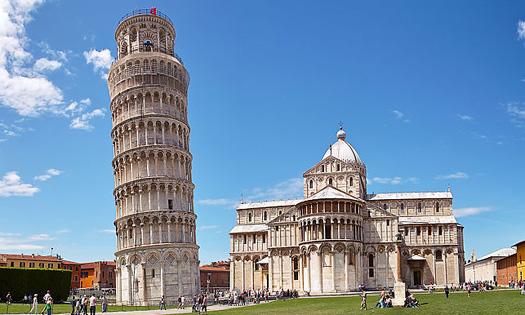
Pisa (Day trip): Short train ride from Florence.
Rome (3-4 days): Train from Florence to the Eternal City.
Sanremo (1 day): Train from Rome to the Riviera dei Fiori.
Monaco (1 day): Short train/bus from Sanremo.
Eze (Half-day): Bus from Monaco.
Cannes (1 day): Train from Monaco/Eze.
Lyon (2 days): Train from Cannes to the gastronomic capital of France.
Return to Paris: High-speed TGV train from Lyon.
Part 1: France – The Beginning: Paris & Dijon
Paris, France
The City of Light needs no introduction. A global center for art, fashion, gastronomy, and culture, Paris is a magnificent start to any European adventure.
Key Attractions
Eiffel Tower: The iconic symbol of Paris. Advance ticket booking is essential to avoid long queues. Consider visiting at night for a sparkling display.
The Louvre: The world’s largest art museum. Home to the Mona Lisa, Venus de Milo, and countless other masterpieces. Purchase tickets online in advance.
Notre-Dame Cathedral: Currently under restoration after the 2019 fire, the exterior remains a breathtaking sight on the Île de la Cité.
Champs-Élysées & Arc de Triomphe: A stroll down the famous avenue culminating at the Arc de Triomphe, which offers one of the best panoramic views of the city.
Montmartre & Sacré-Cœur: A historic artistic neighborhood on a hill, crowned by the stunning Sacré-Cœur Basilica.
Musée d’Orsay: Housed in a former railway station, it boasts an unparalleled collection of Impressionist and Post-Impressionist art.
Seine River Cruise: A classic way to see many of Paris’s landmarks from a different perspective.
Practical Information for Paris
Arrival: Charles de Gaulle (CDG) or Orly (ORY) airports. Both are well-connected to the city center via RER trains and buses.
Getting Around: The Paris Métro is extensive and efficient. Consider a “carnet” of 10 tickets or a Navigo Découverte pass for longer stays.
Food & Drink: From buttery croissants and café au lait at a sidewalk café to multi-course meals at a bistro. Try classics like steak frites, coq au vin, and crème brûlée.
Accommodation: Neighborhoods like Le Marais, Saint-Germain-des-Prés, and the Latin Quarter are central and vibrant.
Dijon, France
A short TGV ride southeast of Paris lies Dijon, the historic capital of the Burgundy region, famous for its mustard, wine, and well-preserved medieval architecture.
Key Attractions
Palace of the Dukes of Burgundy: A vast complex housing the City Hall and the Musée des Beaux-Arts, which holds a significant art collection.
Owl’s Trail (Parcours de la Chouette): A self-guided walking tour marked by 22 bronze arrows on the pavement, leading you past the city’s main historical sites. Follow it by finding a small owl sculpture on the north side of Notre-Dame de Dijon church for good luck.
Burgundy Wine Tasting: Dijon is the gateway to the Côte d’Or wine region. Numerous cellars in the city offer tastings of renowned Pinot Noir and Chardonnay.
Practical Information for Dijon
Transport from Paris: Direct TGV trains from Gare de Lyon take approximately 1 hour and 40 minutes.
Getting Around: The city center is very walkable.
Food & Drink: Beyond mustard, try Boeuf Bourguignon, Escargots de Bourgogne (snails), and Pain d’Épices (gingerbread).
Part 2: Switzerland – Alpine Majesty: Lucerne
Lucerne (Luzern), Switzerland
A picturesque city nestled amid snow-capped mountains on the shores of Lake Lucerne. It’s a postcard-perfect representation of Swiss charm.
Key Attractions
Chapel Bridge (Kapellbrücke): A iconic covered wooden footbridge dating from the 14th century, adorned with interior paintings. It’s the oldest truss bridge in Europe.
Lake Lucerne (Vierwaldstättersee): Take a scenic boat cruise to enjoy stunning views of the surrounding Alps and lakeside villages.
Old Town (Altstadt):A beautifully preserved medieval center with colorful buildings, cobblestone streets, and historic town squares.
Swiss Museum of Transport (Verkehrshaus):A massive and interactive museum covering all forms of Swiss transport, a great option for families.
Mount Pilatus or Mount Titlis: Day trips to nearby mountain peaks for breathtaking alpine scenery. Activities include cogwheel railways, cable cars, and snow fun year-round.
Practical Information for Lucerne
Transport from Dijon:The journey involves a train change, often in Basel. The total travel time is approximately 3-4 hours.
Swiss Travel Pass:If traveling extensively in Switzerland, this pass can offer excellent value, covering trains, buses, boats, and museum entries.
Currency: Swiss Franc (CHF). While many places accept Euros, change is usually given in Francs and the exchange rate may be poor.
Food & Drink:Try traditional Swiss dishes like Fondue, Rösti (fried grated potatoes), and Zürcher Geschnetzeltes (veal in cream sauce).
Part 3: Italy – Art, Fashion, and History: Milan to Rome
Milan (Milano), Italy
Italy’s financial and fashion capital is a dynamic metropolis that blends futuristic design with profound historical heritage.
Key Attractions
Milan Cathedral (Duomo di Milano):A breathtaking Gothic masterpiece. Climb to the rooftop terraces for unparalleled views of the city.
Galleria Vittorio Emanuele II:A magnificent 19th-century shopping arcade adjacent to the Duomo, housing luxury brands and historic cafes.
The Last Supper (Il Cenacolo):Leonardo da Vinci’s iconic mural is housed in the refectory of the Convent of Santa Maria delle Grazie. Booking months in advance is absolutely mandatory.
Sforza Castle (Castello Sforzesco):A vast fortress complex containing several museums and art collections, including Michelangelo’s final sculpture, the Rondanini Pietà.
Brera District:A chic and bohemian neighborhood with art galleries, trendy bars, and the Pinacoteca di Brera art gallery.
Practical Information for Milan
Transport from Lucerne:A direct train via the Gotthard Base Tunnel takes about 3 hours.
Getting Around:The Metro system is efficient and easy to navigate. The M1 (red), M2 (green), and M3 (yellow) lines serve most key areas.
Cuisine:Aperitivo culture is key here. Enjoy risotto alla Milanese (saffron risotto), ossobuco (braised veal shanks), and panettone (if visiting near Christmas).
Venice (Venezia), Italy
A city like no other, built on a lagoon on 118 small islands, connected by canals and bridges. Venice is a magical, floating work of art.
Key Attractions
St. Mark’s Square (Piazza San Marco):The heart of Venice, home to St. Mark’s Basilica with its golden mosaics and the Campanile (bell tower) for panoramic views.
Doge’s Palace (Palazzo Ducale):The former residence of the Doge of Venice, a masterpiece of Gothic architecture. The tour includes the famous Bridge of Sighs.
Grand Canal:The main waterway snaking through the city. The best way to experience it is by Vaporetto (water bus), especially Line 1.
Rialto Bridge:The oldest and most famous bridge spanning the Grand Canal, lined with shops.
Get Lost:The true charm of Venice lies in wandering away from the main tourist paths through its quiet alleyways and small canals.
Practical Information for Venice
Transport from Milan: