Germany Travel Guide: Munich to Frankfurt
This comprehensive guide covers a classic German itinerary from the Bavarian Alps to the Rhine Valley, exploring historic cities, scenic landscapes, and cultural landmarks. The route includes Munich, Rothenburg ob der Tauber, Würzburg, Dresden, Potsdam, Berlin, Lübeck, Hamburg, Bremen, Cologne, Koblenz, Rüdesheim, and Frankfurt. Each destination offers unique insights into Germany’s rich history, architecture, and traditions.
Munich (München)
Munich, the capital of Bavaria, is renowned for its annual Oktoberfest, historic architecture, and vibrant cultural scene. Founded in 1158, it seamlessly blends traditional charm with modern innovation.
Attractions
Marienplatz: The central square featuring the Neues Rathaus (New Town Hall) with its Glockenspiel show.
Nymphenburg Palace: A Baroque palace with extensive gardens, once the summer residence of Bavarian rulers.
English Garden: One of the world’s largest urban parks, perfect for cycling, picnics, and surfing on the Eisbach river.
Deutsches Museum: The world’s largest museum of science and technology.
BMW Welt and Museum: A must-visit for automobile enthusiasts.
Viktualienmarkt: A daily food market offering local produce and delicacies.
Practical Information
Best Time to Visit: May to October for pleasant weather and festivals.
Transportation: Munich has an efficient public transport system (MVV) including U-Bahn, S-Bahn, trams, and buses. The city is walkable in the center.
Accommodation: Options range from luxury hotels like Bayerischer Hof to budget hostels in areas like Ludwigsvorstadt.
Cuisine: Try Weisswurst (white sausage), Schweinshaxe (pork knuckle), and pretzels. Don’t miss a beer garden experience.
Rothenburg ob der Tauber
Rothenburg ob der Tauber is a perfectly preserved medieval town on the Romantic Road. Its well-maintained city walls, half-timbered houses, and cobblestone streets transport visitors back in time.
Attractions
Town Walls: Walk the complete circuit for panoramic views.
Marktplatz: The main square with the Town Hall and mechanical clock.
St. Jakob’s Church: Home to the famous Altar of the Holy Blood by Tilman Riemenschneider.
Medieval Crime Museum: Exhibits on historical legal practices and punishments.
Plönlein: A picturesque corner with a half-timbered house and two gates, iconic for photography.
Night Watchman Tour: An entertaining evening walk with a costumed guide.
Practical Information
Best Time to Visit: Spring or autumn to avoid crowds. The Christmas Market in December is magical.
Transportation: Best reached by train or car. The town is small and easily explored on foot.
Accommodation: Charming guesthouses and hotels within the old town, such as Hotel Herrnschlösschen.
Cuisine: Sample Schneeballen (snowball pastries) and Franconian wines.
Würzburg
Würzburg, located on the Main River, is known for its Baroque and Rococo architecture, particularly the Residenz Palace. It is a gateway to the Franconian wine region.
Attractions
Würzburg Residenz: A UNESCO World Heritage site with stunning frescoes by Tiepolo.
Marienberg Fortress: A historic fortress overlooking the city, housing the Main-Franconian Museum.
Alte Mainbrücke (Old Bridge): A pedestrian bridge with statues of saints, perfect for enjoying local wine at sunset.
St. Kilian Cathedral: A Romanesque cathedral with Baroque additions.
Hofgarten: The beautiful palace gardens.
Practical Information
Best Time to Visit: April to October for wine festivals and good weather.
Transportation: Well-connected by train. The city center is walkable, and buses are available.
Accommodation: Options include hotels near the Residenz or guesthouses in the old town.
Cuisine: Franconian wine (especially Silvaner), Bratwurst, and Lebkuchen (gingerbread).
Dresden
The capital of Saxony, Dresden is famed for its dramatic Baroque architecture rebuilt after WWII. Known as the “Florence on the Elbe,” it boasts world-class museums and art collections.
Potsdam
A city of palaces and gardens, Potsdam was the residence of Prussian kings. Its extensive parklands and historic buildings are a UNESCO World Heritage site.
Berlin
Germany’s dynamic capital is a hub of history, culture, and creativity. From the Brandenburg Gate to its vibrant nightlife, Berlin offers an unparalleled urban experience.
Lübeck
The former capital of the Hanseatic League, Lübeck’s well-preserved medieval old town is a UNESCO World Heritage site, famous for its marzipan and Brick Gothic architecture.
Hamburg
Germany’s major port city is known for its maritime spirit, the Speicherstadt warehouse district, and vibrant entertainment areas like St. Pauli and the Reeperbahn.
Bremen
A historic Hanseatic city, Bremen is famous for the fairytale Town Musicians of Bremen and its well-preserved market square with UNESCO status.
Cologne (Köln)
Cologne is dominated by its magnificent cathedral. It’s a cultural center with renowned museums, a vibrant carnival tradition, and a bustling riverfront.
Koblenz
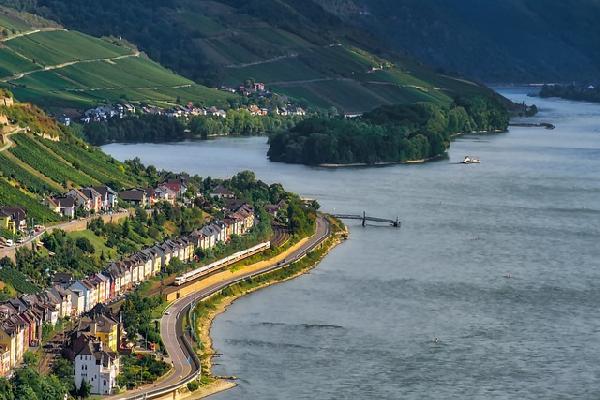
Situated at the Deutsches Eck (German Corner) where the Rhine and Moselle rivers meet, Koblenz is a gateway to the scenic Middle Rhine Valley.
Rüdesheim am Rhein
A charming wine town in the Rhine Gorge UNESCO site, known for its Drosselgasse lane, wine tastings, and proximity to scenic castles.
Frankfurt am Main
Germany’s financial hub boasts a stunning skyline but also a charming reconstructed old town (Römerberg). It’s a major transportation gateway with international flair.
General Travel Tips for Germany
Transportation
Train: Germany has an excellent rail network operated by Deutsche Bahn (DB). Consider rail passes like the Deutschland-Ticket for regional travel or Interrail/Eurail for international visitors.
Car:
Public Transport: Most cities have efficient U-Bahn (subway), S-Bahn (urban rail), tram, and bus systems. Purchase day passes or group tickets for savings.
Flights: Major international airports include Frankfurt (FRA), Munich (MUC), and Berlin (BER).
Accommodation
Hotels: Range from international chains to family-run boutiques.
Guesthouses (Pension/Gasthof): Often offer a more personal experience and regional cuisine.
Hostels: Widely available for budget travelers, with both independent and DJH (German Youth Hostel Association) options.
Vacation Rentals: Apartments can be a good option for families or longer stays.
Cuisine
Regional Specialties: Each area has its own dishes. Bavaria is known for hearty meat dishes, while northern Germany focuses on fish.
Bread and Pastries:
Sausages (Wurst):
Drinks:
Restaurant Etiquette:
Shopping
- Souvenirs include cuckoo clocks from the Black Forest (available in many tourist areas), beer steins, Christmas ornaments (especially from Rothenburg), and marzipan from Lübeck.
- Shopping hours are generally Monday-Saturday, with most stores closed on Sundays.
Trip Planning Considerations