Egypt Travel Guide: Hurghada, Luxor, Cairo & Return
This comprehensive guide details a circular itinerary starting and ending in Hurghada, exploring the ancient wonders of Luxor and the bustling capital of Cairo. This route is ideal for travelers who want to combine Red Sea relaxation with profound historical experiences.
Trip Overview
This journey covers three distinct Egyptian destinations:
Hurghada: A primary Red Sea resort city known for its beaches, water sports, and vibrant marine life.
Luxor: Often called the “world’s greatest open-air museum,” it’s home to the ancient city of Thebes, with its monumental temples and royal tombs.
Cairo: Egypt’s sprawling capital, a vibrant metropolis holding the iconic Pyramids of Giza, the Egyptian Museum, and historic Islamic districts.
Recommended Trip Duration: 7-10 days to fully appreciate all locations without being rushed.
Before You Go: Essential Planning
Visa and Entry Requirements
Most nationalities require a visa to enter Egypt. Tourist visas can often be obtained:
Visa on Arrival: Available at major international airports (like Hurghada and Cairo) for many passport holders. Fees are typically payable in USD, EUR, or GBP. Check the latest eligibility with the Egyptian consulate before travel.
E-Visa: It is recommended to apply online through the official Egypt government portal before your trip for a smoother arrival process.
Ensure your passport is valid for at least six months from your date of entry.
Best Time to Visit
October to April: This is the peak season with the most pleasant weather. Days are warm and sunny, while nights can be cool, especially in Luxor and the desert. This is the best time for sightseeing.
May to September: The summer months are extremely hot, particularly in Luxor and Cairo. Hurghada remains popular for its beach activities, but sightseeing in the interior can be challenging due to the heat.
Health and Safety
Vaccinations: Routine vaccinations should be up-to-date. Hepatitis A and Typhoid are recommended. Consult your doctor for personalized advice.
Travel Insurance: Comprehensive travel insurance that covers medical evacuation is highly recommended.
Sun Protection: The Egyptian sun is intense. Bring high-SPF sunscreen, a wide-brimmed hat, and sunglasses.
Hydration: Drink plenty of bottled water throughout the day to avoid dehydration.
General Safety: Exercise normal precautions. Be aware of your surroundings, especially in crowded areas. It’s advisable to follow your government’s travel advisories.
Currency and Money
The local currency is the Egyptian Pound (EGP).
- Credit cards are widely accepted in hotels, upscale restaurants, and larger shops in Hurghada and Cairo, but cash is king in markets (souks) and for smaller purchases everywhere.
- ATMs are readily available in all three cities.
- It’s useful to have small denominations of EGP for tips (baksheesh), which is a common practice for small services.
Language
The official language is Arabic. English is widely spoken in tourist areas, hotels, and by tour guides. Learning a few basic Arabic phrases (like “Shukran” for thank you) is appreciated.
Transportation Between Cities
Hurghada to Luxor:
Private Car/Driver: The most convenient option. The journey takes approximately 4-5 hours. You can arrange this through your hotel or a tour operator.
Bus: Companies like Go Bus offer comfortable and affordable services. The journey takes around 5 hours.
Luxor to Cairo:
Domestic Flight: The fastest and most comfortable option (about 1 hour). EgyptAir is the primary carrier.
Overnight Train: The “Watania Sleeping Train” from Luxor to Cairo offers a unique experience with private cabins. The journey takes about 10-12 hours, saving a night’s accommodation.
Cairo to Hurghada:
Domestic Flight: The quickest way (about 1 hour). Several flights operate daily.
Bus: A long journey of 6-7 hours by companies like Go Bus or Super Jet.
Part 1: Arrival in Hurghada
Your journey begins in Hurghada, a city built along the Red Sea coast. It’s a hub for diving, snorkeling, and beach holidays.
Getting There
Most international travelers will fly into Hurghada International Airport (HRG). From the airport, you can take a taxi or pre-book a transfer to your hotel.
Accommodation
Hurghada is famous for its all-inclusive resorts, which are clustered in several areas:
El Gouna: A purpose-built, upscale resort town north of Hurghada with lagoons and golf courses.
Sahl Hasheesh: A luxurious area south of central Hurghada with high-end hotels and a long promenade.
Central Hurghada (Sigala): Offers a mix of hotels, shops, and restaurants, with easy access to the marina.
Makadi Bay & Soma Bay: Resort areas further south, known for their pristine beaches and dive sites.
Things to Do in Hurghada
Snorkeling and Diving: The Red Sea is world-renowned for its coral reefs and diverse marine life. Day trips to Giftun Island are very popular for snorkeling. For certified divers, sites like Abu Ramada and El Fanous are spectacular.
Desert Safari: Take a quad biking or jeep safari into the Eastern Desert. Tours often include a visit to a Bedouin village for tea and a traditional meal.
Hurghada Marina:A modern development with upscale shops, restaurants, and cafes. A pleasant place for an evening stroll.
Beach Relaxation: Simply enjoy the sun and sand at your resort’s private beach or public beaches like Mamsha Beach.
Practical Tips for Hurghada
- The main areas are very tourist-friendly and relaxed in dress code, but it’s respectful to cover up when away from the beach or pool.
- Bargaining is expected in the souks (markets).
Part 2: Luxor – The Ancient Thebes
The journey from Hurghada to Luxor takes you from the coast into the Nile Valley, the heart of ancient Egypt.
Orientation
The city of Luxor is divided by the Nile River:
East Bank: Representing the realm of the living, it houses the Luxor Temple and the enormous Karnak Temple Complex.
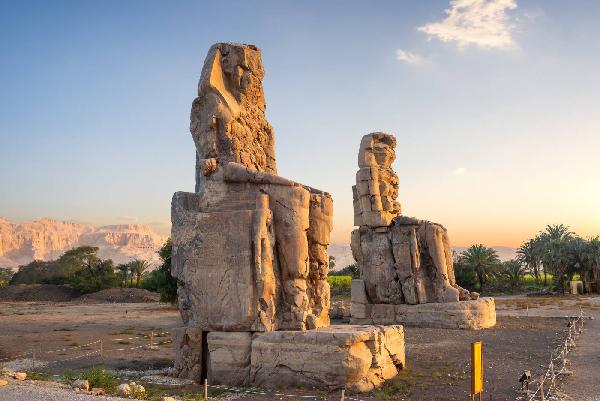
West Bank: Representing the realm of the dead, it is home to the Valleys of the Kings and Queens, the Mortuary Temple of Hatshepsut, and the Colossi of Memnon.
Sights on the East Bank
Karnak Temple: The largest religious building ever constructed. It is a vast complex of sanctuaries, pylons, and obelisks built over 1,500 years. The Great Hypostyle Hall, with its 134 massive columns, is breathtaking.
Luxor Temple: Located in the heart of the city, this temple is beautifully illuminated at night. It was primarily built by Amenhotep III and Ramesses II and was connected to Karnak by an avenue of sphinxes.
Sights on the West Bank
Valley of the Kings:The burial place of pharaohs from the New Kingdom, including the famous Tutankhamun. Your ticket typically allows entry to three tombs (the tomb of Tutankhamun requires a separate, extra ticket). Photography inside the tombs is usually prohibited or requires a special ticket.
Mortuary Temple of Hatshepsut (Deir el-Bahari):A stunning colonnaded structure built into the cliffs. It was designed by the architect Senenmut for the female pharaoh Hatshepsut.
Valley of the Queens: Home to the tombs of royal wives and children. The most famous is the beautifully decorated tomb of Queen Nefertari (requires a separate, expensive ticket).
Colossi of Memnon: Two massive stone statues of Pharaoh Amenhotep III that have stood for 3,400 years. They are the first thing you see when arriving on the West Bank.
Other Activities in Luxor
Hot Air Balloon Ride:A spectacular way to see the West Bank at sunrise, floating over the temples and valleys.
Nile Felucca Ride:A peaceful sail on a traditional wooden sailing boat at sunset is a quintessential Luxor experience.
Luxor Museum:A modern museum that houses a well-curated collection of artifacts from the Theban area.
Practical Tips for Luxor
Guides are Recommended:The historical sites are complex. Hiring a qualified Egyptologist guide will greatly enhance your understanding and experience.
Start Early:The heat can be intense. Visit the West Bank as early as possible to avoid the midday sun and crowds.
Transport on West Bank:The sites are spread out. You will need to hire a taxi or car for the day to get between them.
Hydration:Crucial in Luxor’s dry heat. Carry water with you at all times.