California Dreaming: A Comprehensive Guide to Los Angeles, 17-Mile Drive, San Francisco, and Yosemite
This itinerary outlines a classic California road trip loop, offering a rich tapestry of urban energy, coastal grandeur, and mountain majesty. Travelers will experience the glamour of Los Angeles, the dramatic beauty of the Pacific Coast Highway and 17-Mile Drive, the cultural vibrancy of San Francisco, and the awe-inspiring wilderness of Yosemite National Park before returning to Southern California. This guide provides practical information to help plan an unforgettable journey.
Trip Overview and Logistics
This is a substantial road trip covering over 1,000 miles (approximately 1,600 kilometers) round trip. A minimum of 10-12 days is recommended to fully appreciate each destination without being overly rushed. The best times to undertake this journey are during the spring (April-May) and fall (September-October) when the weather is mild across all regions, crowds are smaller, and Yosemite’s waterfalls are flowing (in spring) or the fall colors are spectacular (in autumn). Summer can be crowded and hot in the interior, while winter may bring snow and chain requirements to Yosemite.
Transportation: A car is essential for this trip. Renting a vehicle from Los Angeles International Airport (LAX) is the most convenient start. Ensure the rental agreement allows for one-way travel if you plan to fly out of a different city, though this guide assumes a loop back to LA.
Accommodation: Book accommodations well in advance, especially for Yosemite National Park, where lodging inside the park can sell out a year ahead. Options range from luxury hotels and boutique inns to vacation rentals and campgrounds.
Pacing: This is an active trip with significant driving. Break up long drives with stops and plan for relaxation time.
Chapter 1: Los Angeles – The City of Angels
Los Angeles is a vast, sprawling metropolis known for its entertainment industry, diverse cultures, and sunny weather. It serves as the perfect starting point for this adventure.
Key Attractions
Hollywood: Visit the TCL Chinese Theatre to see the celebrity handprints and walk the Hollywood Walk of Fame. For a panoramic view of the city and the iconic Hollywood Sign, hike up to the Griffith Observatory.
Beverly Hills: Stroll down Rodeo Drive for high-end window shopping and see the luxurious mansions in the surrounding hills.
Santa Monica & Venice Beach: Santa Monica offers a classic pier with an amusement park and a beautiful beach. A walk or bike ride south along the Marvin Braude Bike Trail leads to the bohemian boardwalk of Venice Beach, known for its street performers, skateboard culture, and Muscle Beach gym.
Downtown LA (DTLA): Explore The Broad museum for contemporary art, admire the architecture of Walt Disney Concert Hall, and wander through the historic Grand Central Market for a taste of LA’s food scene.
Getty Center: Perched on a hilltop, this museum boasts stunning architecture, beautiful gardens, and an impressive collection of European art, all with free admission (parking fee applies).
Food & Drink
LA’s food scene is incredibly diverse. Don’t miss Korean BBQ in Koreatown, authentic tacos from a food truck (like al pastor or fish tacos), a classic California health-conscious bowl, or a gourmet meal from one of its many world-class restaurants. In-N-Out Burger is a must-try for a classic California fast-food experience.
Accommodation Tips
Staying in a central location like West Hollywood or Mid-Wilshire provides good access to many attractions. For a beach vibe, choose Santa Monica or Venice. For those focused on downtown culture and nightlife, DTLA has numerous hotel options.
Cultural Insight
Los Angeles is not a single monolith but a collection of distinct neighborhoods, each with its own identity. The car is king, and public transportation, while improving, is often not the most efficient way to see the scattered sights. Embrace the diversity and explore beyond the tourist hotspots to find the true character of the city.
Chapter 2: The Coastal Drive & 17-Mile Drive
The journey north from Los Angeles towards San Francisco is best experienced via the Pacific Coast Highway (PCH/Highway 1). The drive is legendary for its breathtaking views of the Pacific Ocean meeting rugged cliffs.
The Scenic Route North
From LA, head north on PCH through Malibu. Key stops include Santa Barbara, known as the “American Riviera,” for its Spanish-style architecture and wineries. Further north, the Danish-themed village of Solvang offers a unique cultural detour. The true highlight begins as you approach San Simeon, home to the opulent Hearst Castle, which offers fascinating tours.
17-Mile Drive
Located on the Monterey Peninsula, the 17-Mile Drive is a privately maintained scenic road that winds through Pacific Grove and Pebble Beach. It is famous for its dramatic coastal views, lone cypress trees, and world-renowned golf courses like Pebble Beach Golf Links.
Attractions Along the Drive: Look for landmarks like the Lone Cypress, Bird Rock (teeming with sea lions and birds), Cypress Point Lookout, and the ghostly trees of the Restless Sea.
Logistics: There is an entrance fee per vehicle. The road is well-marked with a map provided at the gate. Allow 2-3 hours to complete the drive with stops.
Food & Accommodation
The town of Carmel-by-the-Sea, at the end of the 17-Mile Drive, is a charming village with fairytale-style cottages, art galleries, and excellent restaurants. Monterey’s Cannery Row offers more tourist-focused dining with fresh seafood, particularly clam chowder. Overnight stays in Carmel or Monterey are highly recommended.
Chapter 3: San Francisco – The Golden Gate City
From the Monterey Peninsula, it’s a roughly two-hour drive north to San Francisco, a compact and culturally rich city known for its hills, iconic bridges, and fog.
Key Attractions
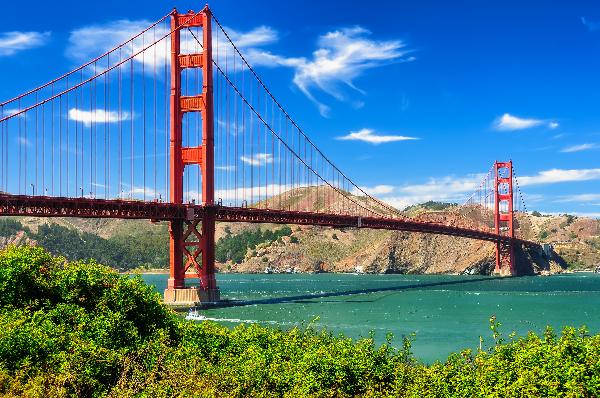
Golden Gate Bridge: Walk, bike, or simply drive across this international icon. For the best photo opportunities, visit Vista Point on the north side or Baker Beach and Crissy Field on the city side.
Fisherman’s Wharf & Pier 39: A bustling tourist area known for its sea lions, souvenir shops, and views of Alcatraz Island. Booking Alcatraz tours far in advance is crucial.
Alcatraz Island: The former federal prison offers a captivating audio tour that provides a glimpse into its notorious history.
Cable Cars: A ride on a historic cable car up and down San Francisco’s steep hills is a quintessential experience.
Chinatown & North Beach: Explore the largest Chinatown outside of Asia and then step into the Italian neighborhood of North Beach for excellent coffee and food.
Golden Gate Park: Larger than New York’s Central Park, it houses museums, the Japanese Tea Garden, and the California Academy of Sciences.
Food & Drink
San Francisco is a food lover’s paradise. Savor fresh Dungeness crab and sourdough bread bowls filled with clam chowder at the wharf. Explore the Mission District for some of America’s best burritos. The city is also at the heart of wine country, with many wine bars offering selections from Napa and Sonoma.
Accommodation Tips
Union Square is central and convenient for shopping and public transport. Fisherman’s Wharf is touristy but puts you close to major attractions. For a more local vibe, consider neighborhoods like Nob Hill or near Japantown.
Cultural Insight
San Francisco has a long history of counterculture and progressive movements. This spirit is still alive in its diverse and tolerant communities. The city’s microclimates are real; it can be sunny in one neighborhood and foggy and cold in another, so dressing in layers is essential.
Chapter 4: Yosemite National Park – A Granite Wonderland
The journey from San Francisco to Yosemite National Park takes approximately 3-4 hours by car, heading east into the Sierra Nevada mountains. Yosemite is a UNESCO World Heritage site renowned for its towering granite cliffs, waterfalls, giant sequoias, and pristine wilderness.
Key Attractions in Yosemite Valley
The heart of the park is Yosemite Valley, a glacial valley containing most of the famous landmarks.
El Capitan: A massive granite monolith popular with rock climbers who can sometimes be spotted through telescopes.
Half Dome: The park’s most distinctive feature. A permit is required to hike the cable route to the summit.
Yosemite Falls: One of the tallest waterfalls in North America. The lower falls are easily accessible via a short, paved trail.
Tunnel View: This viewpoint offers the classic, breathtaking panorama of El Capitan, Bridalveil Fall, and Half Dome.
Bridalveil Fall: Another easily accessible waterfall that flows year-round.
Beyond the Valley
Glacier Point: Offers a spectacular aerial view of Yosemite Valley and Half Dome from 3,200 feet above. Accessible by car in warmer months.
Mariposa Grove: Home to over 500 mature giant sequoias, including the famous Grizzly Giant. A free shuttle typically takes visitors from a parking area to the grove.
Tioga Road: A high-elevation scenic drive (open approximately June through October) that provides access to Tuolumne Meadows’ beautiful sub-alpine landscapes.
Food & Accommodation
Dining options inside the park range from casual cafeterias and food courts to the more upscale Mountain Room Restaurant in Yosemite Valley. For accommodation, book well in advance for park lodges like The Ahwahnee, Yosemite Valley Lodge, or Curry Village. Alternatively, stay in gateway towns like Groveland (from the west) or Oakhurst (from the south), which offer hotels, motels, and vacation rentals.
Practical Tips for Yosemite
Reservations: A reservation is often required to drive into Yosemite during peak season. Check the National Park Service website for current requirements.
Shuttles: Use the free Yosemite Valley shuttle system to get around the valley and avoid traffic and parking difficulties.
Wildlife: Store all food properly in provided bear-proof lockers; never feed wildlife.
Chapter 5: The Return to Los Angeles
The drive from Yosemite back to Los Angeles is roughly 5-6 hours depending on traffic and route. The most direct route is via Highway 41 south to Fresno, then I-99 south to Bakersfield, connecting to I-5 south into LA. This route traverses California’s agricultural Central Valley. For a more scenic (and longer) alternative, consider driving south along Highway 395 on the eastern side of the Sierra Nevada, which offers stunning mountain vistas and access to other natural attractions like Mammoth Lakes and Mount Whitney, before cutting west towards LA.
Final Travel Tips
Navigation: Use a reliable GPS or mapping app (like Google Maps or Waze), but always have a general idea of your route as service can be spotty in mountainous areas like Yosemite.
Packing: Pack for all types of weather—swimsuits for beaches, layers for San Francisco’s fog, and sturdy shoes and warm clothing for Yosemite’s higher elevations.
Budgeting: Account for park entrance fees (consider an “America the Beautiful” annual pass if visiting multiple national parks), high gas prices in California, tolls (like the Golden Gate Bridge), and parking fees in cities.
Sustainability: Practice “Leave No Trace” principles in natural areas. Respect wildlife, stay on designated trails, and pack out all trash.
This epic loop through California provides a profound sense of the state’s incredible diversity, from its dynamic coastal cities to its serene and powerful natural landscapes. With careful planning, this journey can be the trip of a lifetime.