Arctic Circle Adventure: A Comprehensive Travel Guide to Finland’s Lapland & Northern Norway
This guide details a classic winter itinerary through the heart of the European Arctic, focusing on the Nordic nations of Finland and Norway. The journey typically begins in the elegant capital of Helsinki, ventures north into the magical Finnish Lapland, includes a foray into the Arctic coast of Norway, and returns south. It is a voyage designed to showcase the stark beauty of the polar winter, the rich Sámi culture, and the quintessential Arctic experiences, from meeting Santa Claus to witnessing the ethereal Northern Lights.
Helsinki: The Baltic Gateway
Helsinki, the vibrant capital of Finland, serves as the primary gateway for this Arctic expedition. Built on a peninsula and a collection of islands, it seamlessly blends neoclassical architecture with cutting-edge Scandinavian design.
Attractions
Senate Square: A magnificent example of neoclassical architecture, dominated by the Helsinki Cathedral. The square is a symbol of the city’s history and a central gathering point.
Suomenlinna Sea Fortress: A UNESCO World Heritage site spread across six islands. Accessible by a 15-minute ferry ride, it offers a fascinating glimpse into military history, with tunnels, cannons, and museums, all set against a dramatic coastal backdrop.
Temppeliaukio Church (Rock Church): A stunning architectural marvel carved directly into solid rock. Its copper-wire dome bathes the interior in natural light, creating a serene and unique atmosphere.
Design District: Helsinki is a UNESCO City of Design. This district is home to numerous boutiques, galleries, and studios showcasing the best of Finnish design, from Marimekko textiles to Iittala glass.
Food & Drink
Finnish cuisine in Helsinki is a blend of traditional and modern. Must-try experiences include a visit to the historic
Kauppatori (Market Square) for a bowl of creamy salmon soup. For a classic Finnish treat, try Karjalanpiirakka (Karelian pasty) with egg butter. Adventurous eaters might sample poronkäristys (sautéed reindeer) or visit one of the city’s many innovative New Nordic cuisine restaurants.
Transportation
Helsinki-Vantaa Airport (HEL) is the main international airport. The Finnair City Bus or public train (I or P trains) provide efficient transfers to the city center. Within Helsinki, the compact city center is very walkable. An excellent public transport system of trams, buses, and a metro covers wider areas; consider purchasing a Helsinki Card for unlimited travel and free entry to many attractions.
Accommodation Tips
Accommodation ranges from luxury hotels like Hotel Kämp to stylish design hotels such as Klaus K Hotel, and a wide array of budget-friendly hostels and apartments. Staying near the city center (Kamppi, Kluuvi, or Katajanokka) provides easy access to major sights.
The Journey North: From Helsinki to Kemi
The transition from the southern capital to the Arctic begins with a journey north. The most scenic and comfortable option is the overnight train from Helsinki to Kemi or Rovaniemi. Travelers can book a private sleeper cabin, waking up to breathtaking views of snow-covered forests and frozen lakes—a quintessential Finnish experience.
Kemi & Haparanda: The Gateway to the Arctic Sea
The twin towns of Kemi (Finland) and Haparanda (Sweden), situated at the mouth of the Tornio River, mark the border between the two countries and serve as a hub for unique maritime adventures.
Attractions
The Kemi SnowCastle: A magnificent structure rebuilt every winter from snow and ice. It features a hotel, a restaurant, an art gallery, and a chapel, all sculpted into glistening forms.
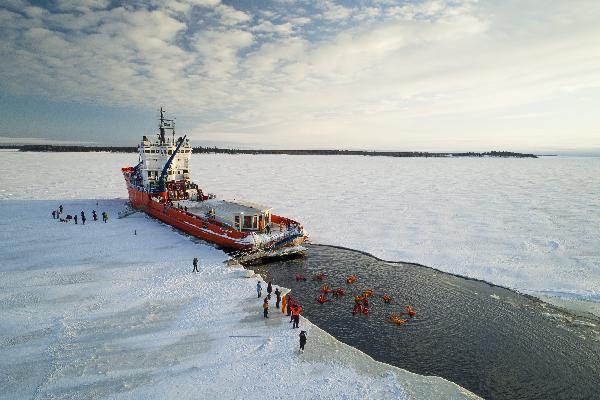
Sampo Icebreaker: The crown jewel of Kemi’s tourism. This authentic, powerful icebreaker offers day cruises into the frozen Bothnian Bay. The highlight is the opportunity to don a survival suit and float in the icy Arctic seawater—a truly unforgettable “ice floating” experience.
The Border: Walk or cycle across the land border from Kemi to Haparanda, crossing from Finland (EET) to Sweden (CET) and back. It’s a unique chance to be in two countries and time zones almost simultaneously.
Food & Drink
In Kemi, enjoy fresh seafood from the Bothnian Bay. In Haparanda, sample Swedish delicacies like
kanelbulle (cinnamon bun) from a local café. The cross-border nature allows for a culinary tour; have lunch in Finland and fika (coffee break) in Sweden.
Transportation
The overnight train from Helsinki terminates in Kemi. Local buses connect Kemi to Haparanda. The Sampo Icebreaker departure point is located outside the town center, with shuttle services often provided by the tour operator.
Rovaniemi: The Official Hometown of Santa Claus
Rovaniemi, the capital of Finnish Lapland, is a vibrant Arctic city that was completely rebuilt after WWII following designs by Alvar Aalto. It is most famous as the home of Santa Claus.
Attractions
Santa Claus Village: Located directly on the Arctic Circle line, this magical complex is home to Santa Claus himself, who meets visitors year-round. Send postcards with the official Arctic Circle postmark from the main post office, and cross the symbolic Arctic Circle line.
Arktikum Science Museum: A superb museum and science center that delves into Arctic nature, Northern Lights science, and the history and culture of Lapland and the Sámi people. Its glass tunnel extending to the river is an architectural highlight.
Pilke Science Centre: A hands-on museum focused on sustainable forestry in Finland, offering interactive exhibits that are fun for all ages.
Northern Lights Hunting: Rovaniemi is an excellent base for Aurora Borealis tours. Guides take visitors away from city lights to dark forests or frozen lakes for the best chance of witnessing this natural phenomenon.
Food & Drink
This is reindeer country. Try
poronkäristys with mashed potatoes and lingonberries. Visit restaurant Nili for an authentic Lappish dining experience in a rustic setting. For something sweet, sample a Lappish cheese bread called “leipäjuusto” with cloudberry jam.
Transportation
Rovaniemi has an airport (RVN) with connections to Helsinki. The train station is a major hub for northern destinations. Within the city, local buses are available, but many attractions, like Santa Claus Village (a few kilometers away), are best reached by taxi or organized tour.
Accommodation Tips
Options range from large city hotels like Scandic Rovaniemi to unique glass-roofed igloos at resorts like Arctic SnowHotel & Glass Igloos, where you can watch the Northern Lights from your warm bed. For a more rustic experience, wilderness cabins are available outside the city.
Saariselkä: A Lapland Resort for Adventure
A few hours north of Rovaniemi lies Saariselkä, a popular fell-top resort village surrounded by Urho Kekkonen National Park. It is a premier destination for winter sports and Aurora hunting.
Attractions & Activities
Aurora Borealis: The lack of light pollution makes Saariselkä one of Finland’s best spots for viewing the Northern Lights. Many hotels offer Aurora alarms.
Husky & Reindeer Safaris: Embark on a sled ride through silent, snow-laden forests. These tours offer an authentic way to experience the Arctic wilderness and learn about these iconic animals.
Snowmobiling: Explore vast frozen landscapes on guided snowmobile tours, which may include routes through the national park or visits to remote spots.
Urho Kekkonen National Park: Finland’s second-largest national park offers marked trails for snowshoeing and cross-country skiing amidst pristine Arctic nature.
Food & Drink
The resort restaurants serve excellent Lappish cuisine. Try wild game such as elk or arctic char. The iconic
“Kota” (a traditional Sámi hut) is often used for campfire lunches during safaris, where guides might cook sausages or brew coffee over an open fire.
Accommodation Tips
Saariselkä is known for its range of accommodations, from large hotel complexes like Holiday Club Saariselkä to exclusive glass igloo villages like Kakslauttanen Arctic Resort and Star Arctic Hotel, which offer unparalleled views of the night sky.
The Northernmost Leg: Ivalo & Kirkenes
The journey continues even further north to Ivalo, the main service village for the region, and onward to Kirkenes in Norway, a town perched on the Barents Sea near the Russian border.
Attractions in Kirkenes
The Snowhotel Kirkenes: Similar to Kemi’s but with its own charm, this hotel is rebuilt annually with new ice art. Guests can sleep in ice rooms or stay in adjacent gamme (log) cabins.
King Crab Safari: A flagship experience. Travel by boat or snowmobile-pulled sled onto the frozen fjord to help pull up traps containing live King Crab. The adventure concludes with a feast where the freshly caught crab is boiled and served.
The Border Museum (Grenselandmuseet): Details the fascinating and often turbulent history of the Kirkenes region, including its role in WWII and its proximity to Russia.
Transportation
The journey from Saariselkä to Ivalo is a short bus ride. From Ivalo, one can take a bus or arrange a transfer to Kirkenes. Kirkenes has its own airport (KKN), which can be a convenient entry or exit point for this itinerary.
The Return Journey: Ivalo to Rovaniemi
The return leg from Ivalo back to Rovaniemi is typically done by bus. This long journey (approximately 6-7 hours) offers a final opportunity to absorb the vast, silent beauty of the Lapland landscape—endless forests of snow-laden pine trees and the soft, low light of the Arctic winter day.
Culinary Journey Through Lapland
The food in Lapland is hearty and deeply connected to nature.
Reindeer: A lean, sustainable meat. Poronkäristys is the national dish of Lapland.
Arctic Fish: Salmon, whitefish, and arctic char are commonly served smoked, grilled, or in soups.
Forest Berries: Cloudberries (lakka), lingonberries (puolukka), and bilberries are used in sauces, desserts, and liqueurs.
Leipäjuusto: A mild, squeaky cheese often served warm with cloudberry jam.
Cultural Insights: The Sámi People
The Sámi are the only indigenous people of the European Union, inhabiting Sápmi, which spans northern parts of Norway, Sweden, Finland, and Russia. Respecting their culture is paramount.
Sámi Culture Centers: Visiting a Sámi cultural center, like Siida in Inari (east of Ivalo), is highly recommended to learn about their history, traditional livelihoods like reindeer herding, and duodji (handicrafts).
Respectful Behavior: Always ask for permission before taking photographs of people or their reindeer. Be respectful when visiting sacred Sámi sites.
Souvenirs: Purchase authentic duodji from certified Sámi artisans. Look for the “Sámi Duodji” trademark which guarantees authenticity.
Practical Travel Information
When to Go (Winter Season)
The ideal time for this winter itinerary is from December to early April.
–
December-January: Experience the Polar Night (“Kaamos”) with only a few hours of twilight; perfect for Christmas magic and constant Aurora opportunities.
– February-March: Longer daylight hours for activities, still reliable snow conditions, and excellent chances for Northern Lights.
What to Pack
Base Layers: Thermal merino wool or synthetic long underwear.
Mid Layers: Fleece or wool sweaters for insulation.
Outer Layer:A high-quality, windproof and waterproof winter jacket and insulated snow pants.
Footwear: Insulated winter boots with a good grip; consider models rated to at least -20°C / -4°F.
Accessories: Woolen hat (beanie), scarf or neck gaiter, insulated gloves or mittens, and warm socks.
A Note on Transportation
Public buses (like Matkahuolto) connect most towns in Lapland but schedules can be infrequent, especially outside peak season. Renting a car offers maximum flexibility but requires confidence in driving on winter roads. Organized tours are an excellent way to access remote activities without logistical stress.
The Northern Lights
Seeing the Aurora Borealis is never guaranteed. It requires solar activity, clear skies, and darkness.
– Use Aurora forecast apps (e.g., Aurora Forecast).
– Be patient; spend multiple nights in prime locations.
– Join a guided tour for expert knowledge and access to optimal viewing spots away from light pollution.
A Final Word on Responsible Travel
The Arctic environment is pristine but fragile.
– Follow the principles of “Leave No Trace.”
– Stay on marked trails to avoid disturbing flora and fauna.
– Choose tour operators who demonstrate ethical practices towards their animals (huskies and reindeer) and have a clear commitment to environmental sustainability.
– Respect local cultures and traditions.
This journey through Finland’s Lapland and Northern Norway is more than a vacation; it is an immersion into a world defined by ice, snow, and ethereal light—a truly transformative Arctic adventure.