An Iberian Grand Tour: A Circular Journey from Lisbon through Spain and Back
This travel guide outlines a comprehensive and immersive journey through the heart of the Iberian Peninsula. Starting and ending in Lisbon, this route takes you through Spain’s historic capitals, vibrant Mediterranean cities, and the soul-stirring region of Andalusia. It’s a trip designed to showcase the diverse cultures, histories, and landscapes of Spain and Portugal, two nations forever linked yet distinctly unique.
Route Overview & Practical Tips
Route: Lisbon (Portugal) → Toledo → Madrid → Zaragoza → Barcelona → Valencia → Granada → Málaga → Seville → Lisbon
Recommended Duration: 18-21 days minimum to fully appreciate each location without excessive rushing.
Primary Transport: High-speed trains (AVE, Alvia) and regional trains are the most efficient way to travel between major Spanish cities. The journey from Málaga to Seville and the final leg from Seville back to Lisbon are best done by bus (companies like ALSA or FlixBus) or by renting a car for maximum flexibility, especially in Andalusia.
Best Time to Travel: Spring (April-June) and Autumn (September-October) offer pleasant temperatures, fewer crowds, and ideal conditions for exploration. Summer can be extremely hot, particularly in inland cities like Madrid and Seville.
1. Lisbon, Portugal: The City of Seven Hills
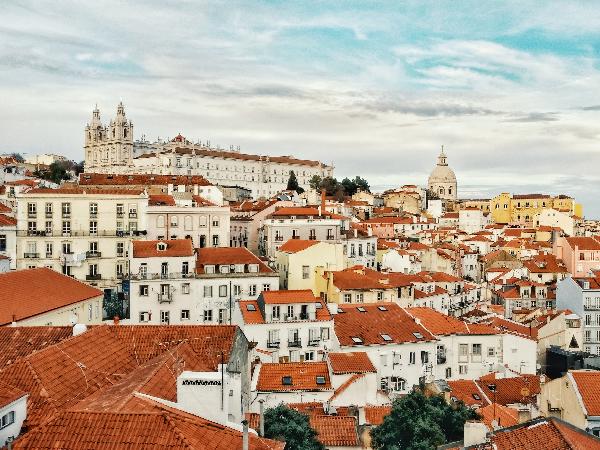
Your journey begins in Lisbon, a city of captivating light, melancholic Fado music, and stunning vistas. Built on seven hills overlooking the Tagus River, Lisbon’s charm lies in its historic neighborhoods, iconic yellow trams, and vibrant cultural scene.
Attractions & Experiences
Alfama District: Get lost in the labyrinthine streets of Lisbon’s oldest quarter. This is the heart of Fado music. Ride the famous Tram 28 through its narrow lanes for a moving sightseeing tour.
Belém Tower & Jerónimos Monastery: Located in the Belém district, these are masterpieces of the Manueline architectural style, celebrating Portugal’s Age of Discoveries. Don’t miss tasting the original Pastéis de Belém at the famous pastry shop nearby.
Castelo de São Jorge: Perched atop one of the highest hills, this Moorish castle offers panoramic views of the city’s red-tiled roofs and the river.
LX Factory: A trendy creative hub set in a former industrial complex under the 25 de Abril Bridge. It’s filled with unique shops, art galleries, and restaurants.
Food & Drink
Pastéis de Nata: The iconic custard tart. The best are found in Belém, but they are delicious everywhere.
Bacalhau: Salted cod, prepared in hundreds of different ways (“bacalhau à brás” is a must-try).
Ginjinha: A sour cherry liqueur, often served in a small chocolate cup.
Sardines: Grilled fresh sardines are a summer staple.
Transport & Local Insight
The Lisbon Metro is efficient for covering longer distances, but the best way to explore the central neighborhoods is on foot or by tram. Purchase a “Viva Viagem” card for easy access to all public transport. For a local experience, have an espresso and a
pastel de nata standing at a traditional café counter.
2. Toledo, Spain: The Imperial City
A short train ride from Madrid brings you to Toledo, a UNESCO World Heritage site that feels like a living museum. Perched on a hill above the Tagus River, it was known as the “City of Three Cultures” where Christians, Muslims, and Jews coexisted for centuries.
Attractions & Experiences
Toledo Cathedral: A breathtaking example of High Gothic architecture with an incredibly ornate interior.
Alcázar of Toledo: A massive fortress dominating the city skyline, now housing the Army Museum.
Jewish Quarter (Judería): Wander through its quiet streets to find the Synagogue of Santa María la Blanca and the El Tránsito Synagogue.
Mirador del Valle: For the classic, picture-perfect view of Toledo across the river. Accessible by bus or a scenic walk.
Food & Drink
Partridge Stew (Perdiz Estofado): A local specialty.
Carcamusas: A hearty pork stew typically served in an earthenware casserole.
Mazapán: Toledo is famous for its marzipan, a sweet confection made from almonds and sugar.
Transport & Local Insight
Toledo is best explored on foot. Wear comfortable shoes as the streets are steep and cobbled. It makes for an excellent day trip from Madrid, but staying overnight allows you to experience the city’s magical atmosphere after the day-trippers have left.
3. Madrid: The Vibrant Spanish Capital
Madrid is a city of immense energy, world-class art, sprawling parks, and a nightlife that famously never sleeps. It is the political and geographic heart of Spain, boasting an unmatched collection of European art.
Attractions & Experiences
Art Triangle: The Prado Museum (Spanish masters like Goya and Velázquez), the Reina Sofía (home to Picasso’s Guernica), and the Thyssen-Bornemisza (a comprehensive collection of Western art).
Royal Palace: The official residence of the Spanish Royal Family, it is one of the largest palaces in Europe.
Retiro Park: The city’s green lung, perfect for boating on the lake, visiting the stunning Palacio de Cristal, or simply people-watching.
Puerta del Sol & Plaza Mayor: The bustling epicenters of the city, always full of life.
Food & Drink
Tapas Crawl in La Latina: Spend a Sunday afternoon hopping from bar to bar in this historic neighborhood.
Cocido Madrileño: A hearty chickpea-based stew, perfect for colder days.
Churros con Chocolate: The classic treat from Chocolatería San Ginés, open 24/7.
Bocadillo de Calamares: A simple but iconic fried squid sandwich, particularly around Plaza Mayor.
Transport & Local Insight
Madrid has an excellent and easy-to-navigate metro system. The city comes alive late; dinner before 9:30 PM is uncommon for locals. Embrace the siesta culture; many smaller shops close in the afternoon, making it a perfect time to relax or visit a museum.
4. Zaragoza: The Mudejar Jewel on the Ebro
A stopover on the way to Barcelona, Zaragoza is the capital of Aragon and a city often overlooked by tourists. It boasts a rich history centered around the Virgin Mary and showcases a unique Mudejar architectural style, a blend of Islamic and Christian design.
Attractions & Experiences
Basilica del Pilar: A massive baroque church on the banks of the Ebro River, famous for its domes and its revered statue of the Virgin Mary.
Aljafería Palace: An 11th-century Islamic palace-fortress that is a spectacular example of Hispanic-Muslim architecture.
La Seo Cathedral: Located next to El Pilar, this cathedral showcases a mix of architectural styles, with its Mudejar apse and exterior being a UNESCO site.
Food & Drink
Ternasco de Aragón: Roasted suckling lamb, a regional specialty.
Migas: A humble but delicious dish made from fried breadcrumbs, often served with grapes or chorizo.
Borrajas: A vegetable unique to the region, often cooked with olive oil and garlic.
Transport & Local Insight
The city center is very walkable, with all major sights located close to each other. Zaragoza offers a more authentic Spanish experience without the intense tourist crowds of other major cities.
5. Barcelona: The Catalan Capital of Modernism
A city of boundless creativity, Barcelona is defined by the fantastical architecture of Antoni Gaudí, a vibrant waterfront, and a fiercely independent Catalan spirit.
Attractions & Experiences
Sagrada Família: Gaudí’s unfinished masterpiece and Barcelona’s iconic symbol. The interior is a breathtaking forest of stone and light.
Park Güell: A whimsical public park with colorful mosaics and organic structures offering great city views.
Gothic Quarter (Barri Gòtic): The historic heart of the city, with narrow medieval streets, charming plazas, and the Barcelona Cathedral.
Casa Batlló & La Pedrera: Two more of Gaudí’s revolutionary residential buildings on the Passeig de Gràcia.
La Rambla & La Boqueria Market: Stroll down the famous (but pickpocket-heavy) boulevard and dive into the sensory overload of the public market.
Food & Drink
Tapas & Pintxos: Explore the bars in the El Born or Gràcia neighborhoods.
Paella: While originally from Valencia, Barcelona serves excellent versions. Always eat it for lunch, not dinner.
Cava: Spain’s famous sparkling wine, produced in the nearby Penedès region.
Crema Catalana: The local version of crème brûlée.
Transport & Local Insight
The Barcelona Metro is extensive and efficient. Book tickets for major attractions like the Sagrada Família online weeks in advance to avoid huge queues. Be extremely vigilant with your belongings in crowded areas like La Rambla and on public transport.
6. Valencia: City of Arts and Sciences & Paella
Valencia strikes a perfect balance between historic charm and futuristic innovation. It is the birthplace of paella and home to one of Spain’s most stunning modern architectural complexes.
Attractions & Experiences
City of Arts and Sciences (Ciutat de les Arts i les Ciències): A futuristic city within a city designed by Santiago Calatrava. It includes an opera house, science museum, IMAX cinema, and Europe’s largest aquarium.
The Turia Gardens: A beautiful 9km-long park created in the former riverbed of the Turia River, perfect for cycling or walking across the city.
The Central Market (Mercado Central): One of Europe’s largest markets housed in a beautiful Modernist building—a feast for the eyes and palate.
The Silk Exchange (La Lonja de la Seda):A UNESCO-listed Gothic civil building that speaks to Valencia’s historical wealth.
Food & Drink
The Original Paella Valenciana: Made with rabbit, chicken, snails, and green beans. Enjoy it in a restaurant near Albufera Natural Park or in the old town.
Horchata & Fartons: