A Travel Guide to Paris and the Loire Valley Châteaux
This guide outlines a classic French itinerary, combining the vibrant, artistic energy of Paris with the regal elegance and pastoral beauty of the Loire Valley. Often called the “Garden of France,” the Loire Valley is a UNESCO World Heritage site renowned for its magnificent Renaissance châteaux, charming villages, and renowned wines. This journey offers a perfect balance between urban exploration and a retreat into the French countryside.
Part 1: Paris – The City of Light
Paris, the capital of France, needs little introduction. It is a global center for art, fashion, gastronomy, and culture. A visit here is about witnessing iconic landmarks, exploring world-class museums, and embracing the Parisian “art de vivre” (art of living).
Key Attractions in Paris
The Eiffel Tower (La Tour Eiffel): The quintessential symbol of Paris. Visitors can ascend to its various levels for breathtaking panoramic views of the city. For a unique experience, consider dining at one of its restaurants or seeing it sparkle at night on the hour.
The Louvre Museum (Musée du Louvre): The world’s largest art museum, housed in a former royal palace. Home to masterpieces like the Mona Lisa, the Venus de Milo, and the Winged Victory of Samothrace. It is advisable to book tickets online in advance to avoid long queues.
Notre-Dame Cathedral: While the interior remains closed for restoration after the 2019 fire, the exterior of this Gothic masterpiece is still a awe-inspiring sight. The surrounding Île de la Cité is the historic heart of Paris.
Champs-Élysées and Arc de Triomphe: Stroll down the famous avenue, shop at flagship stores, and climb the Arc de Triomphe for one of the best views of the city’s grand urban planning, looking straight down the Champs-Élysées to the Louvre.
Montmartre and the Sacré-Cœur Basilica: This historic artistic neighborhood perched on a hill offers a village-like atmosphere. Climb the steps to the white-domed Sacré-Cœur for another stunning view, and wander through the Place du Tertre, where artists paint and sell their work.
Musée d’Orsay: Housed in a magnificent former railway station, this museum boasts an unparalleled collection of Impressionist and Post-Impressionist art by masters such as Monet, Manet, Renoir, Van Gogh, and Degas.
Parisian Food and Drink
Paris is a culinary paradise. Beyond fine dining, the true joy lies in its classic bistros, bustling markets, and charming patisseries.
Café Culture: Spend an hour people-watching at a sidewalk café with a café crème (espresso with steamed milk) or a glass of wine.
Patisseries & Boulangeries: Indulge in a buttery, flaky croissant, a pain au chocolat, or an exquisite pastry like an éclair or macaron.
Classic Bistro Fare: Try staples such as Steak Frites (steak with fries), Coq au Vin (chicken braised in wine), Confit de Canard (duck confit), and Escargots (snails in garlic butter).
Cheese and Wine: Visit a fromagerie (cheese shop) and a cave à vin (wine shop) to assemble a picnic. A baguette, some cheese (like Brie or Camembert), charcuterie, and a bottle of French wine make for a perfect meal by the Seine or in a park.
Food Markets: Explore markets like Marché d’Aligre or Marché des Enfants Rouges (the oldest covered market in Paris) for a vibrant local experience.
Transportation in Paris
Paris has an extensive and efficient public transportation system run by the RATP.
Metro (Métro): The fastest way to get around the city. A carnet (book of 10 tickets) is cost-effective for multiple journeys.
RER Trains: Regional express trains that connect central Paris to the suburbs and airports (Charles de Gaulle and Orly). Useful for longer distances within the city limits (e.g., going to Versailles).
Buses: Slower than the Metro but offer scenic views of the city as you travel.
Taxis & Ride-Sharing: Readily available but more expensive.
Walking: Many of Paris’s central attractions are within walking distance of each other, making it the best way to discover hidden gems.
Accommodation Tips for Paris
Paris is divided into 20 arrondissements (districts), each with its own character.
1st-4th Arrondissements (Le Marais, Louvre): Central, historic, upscale, excellent for sightseeing but can be expensive.
5th-6th Arrondissements (Latin Quarter, Saint-Germain-des-Prés): Intellectual, bohemian vibe with famous cafes, bookshops, and the Sorbonne University.
7th Arrondissement (Eiffel Tower): Elegant and residential, with many high-end hotels and close proximity to major sites.
8th-9th Arrondissements (Champs-Élysées, Opéra): Luxury shopping and grand boulevards.
18th Arrondissement (Montmartre): Artistic and charming, with a village feel, though it can be hilly.
The Journey: From Paris to the Loire Valley
The most convenient way to travel from Paris to the heart of the Loire Valley is by train. The main gateway cities for exploring the châteaux are Tours and Blois.
By Train (TGV): High-speed TGV trains depart from Paris’s Gare Montparnasse station. The journey to Tours takes approximately 1 hour, and to St-Pierre-des-Corps (just outside Tours) about 1 hour and 15 minutes. To Blois, trains depart from Gare d’Austerlitz and take around 1.5 hours. Booking tickets in advance on the SNCF website is highly recommended for the best fares.
By Car: Renting a car offers maximum flexibility for exploring the châteaux at your own pace. The drive from Paris to Tours takes approximately 2.5 hours via the A10 motorway.
Organized Tours: Many companies offer day trips or multi-day tours from Paris to the Loire Valley, which handle all transportation and logistics.
Part 2: The Loire Valley Châteaux – A Renaissance Dream
The Loire Valley is dotted with over 300 châteaux, ranging from fortified castles to lavish Renaissance palaces. They were built or renovated by French kings and nobility between the 10th and 17th centuries as statements of power and centers of courtly life.
Must-Visit Châteaux
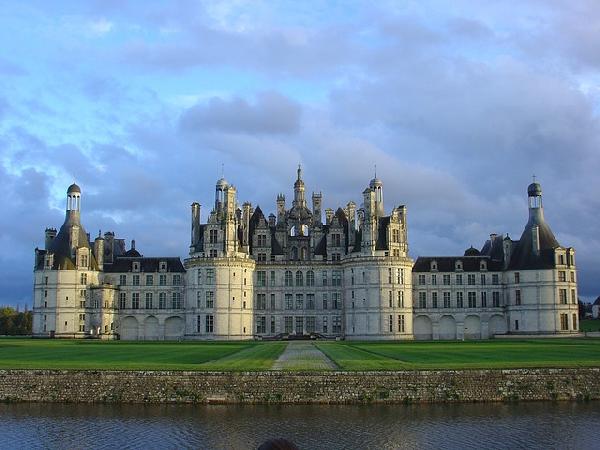
Château de Chambord: The largest and most iconic château in the Loire Valley. Its distinct French Renaissance architecture is famed for its double-helix staircase, possibly designed by Leonardo da Vinci. The vast parkland surrounding it is a national game reserve.
Château de Chenonceau: Known as the “Ladies’ Château” for the influential women who built and protected it. It spans the River Cher gracefully and features exquisite gardens. Its interior is beautifully furnished and feels more intimate than Chambord.
Château de Cheverny: A masterpiece of classical architecture, known for its pristine and lavishly furnished interiors. It is still inhabited by the original family. It is also famous for its pack of hunting hounds and served as the inspiration for Hergé’s Marlinspike Hall in the Tintin comics.
Château de Villandry: Renowned not for its architecture but for its spectacular Renaissance gardens. The ornamental gardens, water garden, decorative vegetable garden, and maze are a horticultural masterpiece and a must-see for garden lovers.
Château d’Amboise: A royal residence with a dramatic cliff-top location overlooking the town of Amboise and the Loire River. It was the preferred residence of several French kings. The Chapelle Saint-Hubert on its grounds is the final resting place of Leonardo da Vinci.
Clos Lucé: Located in Amboise, this manor house is where Leonardo da Vinci spent the last three years of his life. It now operates as a museum dedicated to his life and inventions, with working models of his designs in the park.
Cuisine of the Loire Valley
The Loire Valley’s cuisine is fresh, river-focused, and complemented by its famous wines.
Rillettes: A potted meat spread, typically made from pork or duck, slow-cooked in its own fat. It is delicious spread on a baguette.
Tarte Tatin:
Riverside Fare:alose) are often prepared with beurre blanc sauce.
Goat Cheese (Chèvre):
Wines:
Getting Around the Loire Valley
The châteaux are spread across a wide area, so planning your transport is crucial.
Car Rental:
Tours from Base Cities:
Bicycle:Loire à Vélo) that pass by many châteaux. It’s a wonderful way to experience the landscape.
Train & Local Buses:
Where to Stay in the Loire Valley
The experience is greatly enhanced by staying in a charming town or in the countryside itself.
Tours:
Amboise:
The return journey to Paris follows the same routes. High-speed TGV trains from Tours or St-Pierre-des-Corps will bring you back to Gare Montparnasse in about an hour. If you rented a car, you can return it at one of the many agencies in Tours or at Charles de Gaulle or Orly airport upon your arrival back in Paris. A journey from Paris to the Loire Valley offers a captivating glimpse into the soul of France—from its dynamic modern capital, steeped in art and history, to its serene countryside adorned with architectural treasures from its royal past. This combination creates an unforgettable travel experience rich in beauty, culture, and gastronomy.
The Return: Back to Paris
Cultural Insights and Practical Tips