A Journey Through Provencal Splendor: Avignon, Saint-Rémy, Les Baux, Sunflower Fields, Arles & Pont du Gard
This travel guide details a classic circuit through the heart of Provence, France, a region celebrated for its radiant light, profound Roman history, Van Gogh’s artistic legacy, vibrant markets, and enchanting hilltop villages. The journey, typically starting and ending in the papal city of Avignon, weaves through landscapes that have inspired poets, painters, and travelers for centuries.
Introduction to the Region
The area encompassed by this itinerary lies primarily within the Vaucluse and Bouches-du-Rhône departments, with a brief foray into the Gard. It is a land of dramatic contrasts: the flat, agricultural plains of the Rhône Valley burst with the yellow of sunflowers in summer, while the jagged peaks of the Alpilles mountains provide a stunning backdrop to villages like Saint-Rémy and Les Baux. The mighty Rhône River and the ancient Roman Pont du Gard aqueduct speak to the region’s historical significance as a crossroads of trade and empire. Culturally, it is a feast, from the medieval power of Avignon to the artistic pilgrimage sites of Arles and the rustic, refined cuisine that defines Provencal life.
Avignon: The Papal City
Avignon serves as the perfect gateway and hub for exploring Provence. Its history was forever altered in the 14th century when it became the seat of the papacy, transforming it into one of Europe’s most important cities.
Main Attractions
Palais des Papes (Palace of the Popes): This immense Gothic palace is one of the largest and most important medieval buildings in Europe. A UNESCO World Heritage site, its sprawling complex includes papal apartments, chapels, and cloisters. Visitors can explore the grand halls, often with histopads (digital tablets) that provide augmented reality reconstructions of the palace in its heyday.
Pont Saint-Bénézet (Pont d’Avignon): The legendary bridge that inspired the famous song. Only four of its original 22 arches remain, stretching partway across the Rhône. The audio guide tells the story of its construction and the myth of its shepherd-founder, Bénézet.
Rocher des Doms: A beautiful public garden perched on a rocky outcrop overlooking the palace, the bridge, and the Rhône. It’s a peaceful oasis offering panoramic views and a perfect spot for a stroll.
Avignon Festival: If visiting in July, the city is taken over by one of the world’s most famous performing arts festivals. The streets thrum with energy, filled with theater, dance, and music performances both official and unofficial (le off).
Food & Drink
Les Halles d’Avignon: A covered market with over 40 vendors. It’s an ideal place to sample local cheeses (Banon, Chèvre), olives, saucisson, and other Provencal delicacies.
Pastis: The anise-flavored aperitif of Provence.
Côtes du Rhône Wine: Avignon is surrounded by renowned vineyards. Enjoy a glass of Gigondas, Châteauneuf-du-Pape, or a local rosé.
Papaline d’Avignon: A local candy: a chocolate ball filled with a potent Provencal herbal liqueur.
Transportation & Accommodation
Avignon is well-connected by TGV (high-speed train) from Paris, Lyon, and other major cities. The city center is compact and easily walkable. For exploring the wider region, a rental car is highly recommended and can be picked up at the TGV station or in the city. Accommodation ranges from luxurious hotels within the city walls to charming
chambres d’hôtes (bed and breakfasts) in the surrounding countryside.
Saint-Rémy-de-Provence: Van Gogh’s Sanctuary
A short drive south from Avignon, nestled at the foot of the Alpilles, lies the elegant town of Saint-Rémy-de-Provence. It is famous for two primary reasons: its Roman ruins and as the place where Vincent van Gogh produced some of his most celebrated works.
Main Attractions
Monastère Saint-Paul-de-Mausole: This still-functioning psychiatric hospital is where Van Gogh voluntarily admitted himself in 1889-1890. It was here he painted masterpieces like The Starry Night. Visitors can see his room and wander the gardens that he painted repeatedly.
Glanum: The impressive archaeological site of a former Roman city located just outside town. Explore the ruins of houses, temples, a forum, and remarkably well-preserved monuments like a mausoleum and a triumphal arch.
Wednesday Market: Saint-Rémy’s weekly market is one of Provence’s best. The entire old town center fills with stalls selling textiles, soaps, and an incredible array of local produce.
Old Town (Centre-Ville): A delightful maze of narrow streets lined with Renaissance mansions, chic boutiques, and art galleries.
Food & Drink
Olive Oil: The region is known for its exceptional olive oil. Many local mills offer tastings and tours.
Les Baux-de-Provence AOC Olive Oil: A specific, high-quality appellation from the nearby valley.
Wine from Les Baux-de-Provence AOC: Known for robust reds and rosés.
The Sunflower Fields (Tournesols)
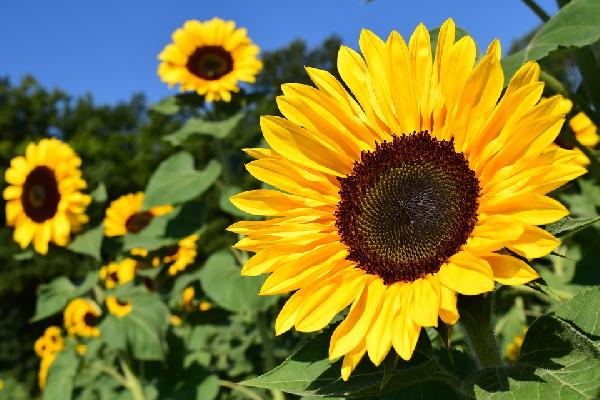
A quintessential image of Provence in summer is the seemingly endless sea of golden sunflowers (
tournesols). These fields are primarily found in the flat plains between towns, particularly in the triangle between Avignon, Arles, and Saint-Rémy.
Best Time to See Them: The blooming period is relatively short, typically from late June to mid-July. The exact timing depends on that year’s weather patterns.
Finding Them: There is no single “address.” The best approach is to drive the departmental roads (D-roads) between the main destinations. Keep an eye out for flashes of yellow. The area around the Abbey of Frigolet is often reliable.
Etiquette: Always be respectful. Do not trample the flowers. Pull over safely and completely off the road before taking photos. The fields are private property, so do not enter without permission.
Les Baux-de-Provence: The Eagle’s Nest
Perched dramatically on a rocky spur in the Alpilles, Les Baux-de-Provence is a fortified village with breathtaking views over the surrounding olive groves and vineyards. Its name comes from “
baou” meaning rocky spur.
Main Attractions
The Château des Baux: The vast ruins of a medieval castle at the very top of the village. Visitors can explore siege engines, chapels, and dungeons while enjoying stunning panoramas. Historical reenactments are often held.
The Village Streets: The steep, cobbled lanes are lined with beautifully restored stone houses now housing shops, museums, and artisanal workshops.
Carrières de Lumières (Quarries of Light): Located just below the village, this is a unique and unforgettable art experience. Massive multimedia shows are projected onto the vast walls and floors of a former bauxite quarry, immersing visitors in the works of great artists like Van Gogh, Chagall, or Picasso, set to music.
Arles: The Roman and Van Gogh City
Arles, on the banks of the Rhône, is a city where Roman grandeur meets artistic legend. Its UNESCO-listed Roman monuments are some of the best preserved in France, and it was here that Vincent van Gogh was at his most prolific.
Main Attractions
Amphithéâtre (Arènes d’Arles): A two-tiered Roman arena that is still in use today for bullfights (both Spanish-style and local Provencal course camarguaise) and concerts.
Théâtre Antique: A Roman theater that continues to host performances. Much of its stone was quarried for other buildings over centuries, but it remains an evocative site.
Fondation Vincent van Gogh: A museum dedicated to celebrating Van Gogh’s influence on contemporary art, though it does not hold any major works by the artist himself.
Espace Van Gogh: The former hospital where Van Gogh was treated after cutting off his ear. The courtyard garden has been restored to look exactly as it appears in his painting.
Les Alyscamps: A remarkable Roman necropolis, a long avenue flanked by ancient sarcophagi. It was also painted by Van Gogh and Gauguin.
Saturday Market: Along the Boulevard des Lices, this is one of Provence’s largest and most colorful markets.
Food & Drink
Saucisson d’Arles: A dry-cured sausage made from donkey meat.
Tellines:: Tiny clams sautéed with garlic and parsley.
Gardianne de Taureau:: A hearty bull meat stew, a specialty of the nearby Camargue region.
Riz de Camargue:: The unique red rice grown in the Camargue delta.
The Pont du Gard: Roman Masterpiece
A short drive west from Avignon into the Gard department lies one of the ancient world’s greatest engineering marvels. The Pont du Gard is not a bridge for people, but an aqueduct bridge, part of a 50-kilometer system built in the 1st century AD to carry water to the Roman city of Nemausus (Nîmes).
Main Attractions
The Aqueduct Itself: The sheer scale and perfection of the three-tiered arches are awe-inspiring. It is a UNESCO World Heritage site. Visitors can walk across the lower tier and hike the surrounding trails for different perspectives.
The Museum: An excellent, modern museum dedicated to the history and engineering of the aqueduct, providing essential context for understanding the monument.
Mémoires de Garrigue:: A 15-hectare Mediterranean landscape walk that explores the history of human cultivation in the region, from Roman times to the present.
Swimming and Canoeing:: In summer, the river below the bridge is a popular spot for swimming and canoeing, offering a unique view of the monument from the water.
Suggested Itinerary and Practical Tips
A Sample 4-Day Itinerary
Day 1: Arrive in Avignon. Explore the Palais des Papes, walk on the Pont d’Avignon, and enjoy dinner within the city walls.
Day 2: Morning drive to Saint-Rémy-de-Provence. Visit Glanum and the Saint-Paul-de-Mausole monastery. After lunch, drive up to Les Baux-de-Provence to explore the castle ruins. End the day with the immersive show at Carrières de Lumières.
Day 3: Drive to Arles, stopping to admire sunflower fields along the way. Spend the day exploring Arles’ Roman monuments and Van Gogh sites. In the late afternoon, drive to the Pont du Gard to see the aqueduct in the golden evening light.
Day 4: Enjoy a final morning in Avignon, perhaps visiting Les Halles market for souvenirs before departure.
Transportation Advice
A rental car is essential for this itinerary to explore at your own pace and discover hidden gems like sunflower fields. The roads are generally good and well-signposted. Be prepared for narrow streets in old villages and paid parking (parking payant). Train travel is excellent between major cities like Paris and Avignon but less practical for reaching Saint-Rémy, Les Baux, or Pont du Gard directly. Organized tours from Avignon are an alternative for those who prefer not to drive.
Cultural Insights & Etiquette
The Siesta:: Many smaller shops, bakeries, and even some museums close for a few hours in the middle of the day (typically 12:00/1:00 PM to 3:00/4:00 PM). Plan accordingly.
“Bonjour” is Mandatory:: Always greet shopkeepers, waitstaff, etc., with a polite “Bonjour” upon entering an establishment. “Merci, au revoir” when leaving.
Market Culture: Markets are a way of life. Go early for the best selection. It’s acceptable to touch produce at some stalls but not all; observe local behavior or ask (“Je peux?”).
The Pace of Life: Life moves more slowly here (“douceur de vivre”). Embrace it. Meals are to be savored, not rushed.
Accommodation Tips
Avoid limiting yourself to large chain hotels. For an authentic experience, consider staying in a
chambre d’hôte, which often includes a homemade breakfast and personal advice from your hosts. Alternatively, rural gîtes(self-catering cottages) offer flexibility and space for families or small groups. Book well in advance for travel during peak season (July-August) or during major festivals like the Avignon Festival.
A journey through this corner of Provence is a sensory immersion into light, history, art, and flavor. From the spiritual power of Avignon to the tortured beauty captured by Van Gogh and the enduring genius of Roman engineers, this circuit offers an unforgettable glimpse into the soul of southern France.