A Grand Tour of Northern France: From Paris to Normandy and the Loire Valley
This comprehensive travel guide outlines a captivating circular route from Paris, exploring the dramatic coastlines of Normandy, the poignant history of the D-Day landings, the timeless wonder of Mont-Saint-Michel, the racing heritage of Le Mans, the majestic châteaux of the Loire Valley, and the royal splendor of Fontainebleau. This journey is designed to offer a deep and varied experience of French culture, history, and natural beauty.
Itinerary Overview
This is a road trip itinerary, ideally undertaken by rental car for maximum flexibility. It covers approximately 1,200 kilometers over 10-14 days, allowing for a comfortable pace with 2-3 nights in key regions. The route is:
Paris → Étretat → Honfleur → Deauville → Caen → Omaha Beach & Pointe du Hoc → Mont-Saint-Michel → Le Mans → Loire Valley → Fontainebleau → Paris.
Chapter 1: Paris – The Starting Point
While Paris is a destination unto itself, this tour begins and ends in the French capital, using it as a logistical hub.
Attractions: Visitors are encouraged to explore iconic sites like the Eiffel Tower, Louvre Museum, and Notre-Dame Cathedral before or after the road trip. The charming neighborhoods of Montmartre and Le Marais offer a more local feel.
Food & Drink: Indulge in classic Parisian fare: buttery croissants from a local boulangerie, steak frites at a traditional bistro, and fine pastries from renowned patisseries like Ladurée or Pierre Hermé.
Transportation: Charles de Gaulle (CDG) or Orly (ORY) are the main international airports. The Parisian metro and RER train system are efficient for city travel. It is recommended to pick up a rental car on the day of departure from the city center or an airport location.
Accommodation: Options range from luxury hotels near the Champs-Élysées to charming boutique hotels in Saint-Germain-des-Prés or more budget-friendly hostels in the 10th arrondissement.
Chapter 2: Étretat – The Dramatic Cliffs
Driving northwest from Paris (approx. 3 hours), the first stop is the stunning Alabaster Coast and the town of Étretat, famous for its spectacular limestone cliffs and natural arches.
Attractions: The main draws are the Falaise d’Aval (Downstream Cliff) with its iconic arch, the L’Aiguille (The Needle) rock formation, and the Falaise d’Amont (Upstream Cliff). Hiking paths along the clifftops offer breathtaking views. The golf course on the clifftop is also renowned for its scenery.
Food & Drink: As a coastal town, Étretat specializes in seafood. Enjoy fresh moules marinières (mussels in white wine), oysters, and sole meunière. Local cider is a perfect accompaniment.
Transportation: Étretat is best accessed by car. Parking can be limited in peak season, so using one of the larger paid lots on the town’s outskirts is advised.
Accommodation: Stay in a clifftop hotel for unforgettable views or a cozy guesthouse in the town center. Domaine Saint Clair – Le Donjon is a highly-rated option with a spectacular setting.
Cultural Insight: The cliffs were a great source of inspiration for the Impressionist painter Claude Monet, who painted them numerous times, capturing the changing light and weather.
Chapter 3: Honfleur & Deauville – Contrasting Harbors
A short drive west leads to two neighboring towns with very different characters on the Côte Fleurie (Flowery Coast).
Honfleur: This is a picturesque, historic port with a vibrant Vieux Bassin (Old Harbor) surrounded by tall, slate-fronted houses. The Église Sainte-Catherine, a wooden church built by shipwrights, is a unique architectural gem. The Lieutenance building at the harbor entrance is also historically significant.
Deauville: Just across the Touques River, Deauville is a glamorous seaside resort known for its grand casino, luxury boutiques, iconic Planches de Deauville (boardwalk) with its named cabins for celebrities, and its American Film Festival.
Food & Drink: In Honfleur, savor seafood at a quayside restaurant. In both towns, sample Calvados, the potent apple brandy of Normandy, and Camembert cheese. Deauville offers more upscale dining experiences.
Transportation: The two towns are connected by a bridge and are easily navigable on foot. A car is useful for moving between them and exploring further.
Accommodation: Honfleur offers charming, romantic inns. Deauville features palatial hotels like the Royal Barrière or Hôtel du Golf.
Cultural Insight: Honfleur’s light and scenery made it a cradle of Impressionism. Artists like Boudin, Monet, and Jongkind painted here, establishing an artists’ colony that preceded the official movement.
Chapter 4: Caen & The D-Day Beaches – History and Remembrance
Heading west from Deauville (approx. 45 minutes), Caen serves as a strategic base for exploring the nearby D-Day landing beaches.
Attractions in Caen: The Mémorial de Caen is a world-class museum that provides an essential overview of World War II, the D-Day landings, and the Cold War. Also visit the ruins of the Abbaye aux Hommes, founded by William the Conqueror.
The D-Day Beaches:
Omaha Beach: Now a peaceful stretch of sand, it was the site of the bloodiest fighting on D-Day. The nearby Normandy American Cemetery and Memorial at Colleville-sur-Mer is a profoundly moving site with over 9,000 white marble crosses and stars of David.
Pointe du Hoc: Located between Omaha and Utah beaches, this cliff-top German battery still bears the craters from Allied bombings. Visitors can explore the bunkers and gun emplacements, gaining a sense of the scale of the assault by U.S. Army Rangers.
Other Sites: Consider visiting Utah Beach, Gold Beach (with the Arromanches Mulberry Harbour remains), and Juno Beach.
Food & Drink: Caen is known for its culinary specialty, Tripes à la mode de Caen (tripe cooked in cider and Calvados). More widely palatable options include excellent seafood and local cheeses like Livarot and Pont-l’Évêque.
Transportation: A car is essential to visit the various sites along the coast, which are spread out over many kilometers.
Accommodation: Stay in Caen for city amenities or in a smaller B&B in towns like Bayeux or Port-en-Bessin for a more immersive coastal experience.
Cultural Insight: The region is deeply marked by WWII history. Visitors are expected to behave with respect and solemnity, particularly at cemeteries and memorials. This is not just a tourist attraction but a place of pilgrimage and remembrance.
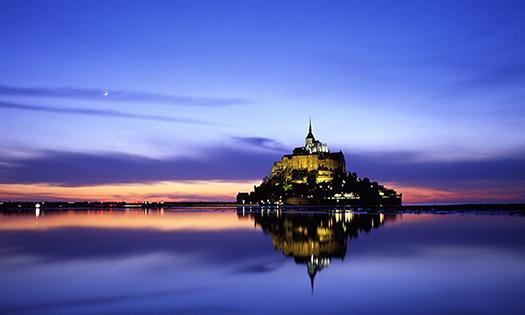
Chapter 5: Mont-Saint-Michel – The Marvel of the Western World
A drive south-west from the D-Day beaches (approx. 1.5 hours) leads to one of France’s most iconic landmarks.
Attractions: The Abbey of Mont-Saint-Michel, perched atop a rocky island, is the main attraction. A guided tour through its medieval halls, cloisters, and church is essential. Walk the ramparts for stunning views of the bay. Be mindful of the dangerous tides that can rapidly surround the island.
Food & Drink:The local specialty is the omelette de la Mère Poulard, a famously fluffy omelette originally cooked for pilgrims. Many restaurants also serve pre-salted lamb (agneau de pré-salé) that grazes on the salt marshes around the mount.
Transportation: Visitors must park in the official mainland lots and take a free shuttle bus or walk across the causeway to the island itself. The new bridge allows water to flow freely around the mount, restoring its island character.
Accommodation: For a magical experience, stay overnight on the island itself at hotels like La Mère Poulard or Le Relais du Roy. This allows you to experience the mount after the day-trippers have left. Alternatively, stay in hotels on the mainland for easier access and parking.
Cultural Insight: Mont-Saint-Michel has been a major pilgrimage site since the 8th century. Its unique communal structure, with monks, soldiers, and locals living together on the rock, earned it the nickname “The City of the Books” due to its production of medieval manuscripts.
Chapter 6: Le Mans – The 24-Hour Legend
A drive east from Mont-Saint-Michel (approx. 2 hours) brings you to Le Mans, a city known globally for its endurance car race.
Attractions:The Circuit de la Sarthe is home to the legendary 24 Hours of Le Mans race. The 24 Hours of Le Mans Museum is a must for motorsport fans, featuring a vast collection of racing cars. Don’t miss the beautifully preserved old town, Cité Plantagenêt, with its half-timbered houses and the stunning Cathédrale St-Julien.
Food & Drink:Local specialties includerillettes du Mans(a coarse pâté made from pork) and chicken from nearby Loué, known for its quality. The region also produces excellent cider.
Transportation:The city center and old town are easily walkable. The racetrack and museum are located on the southern edge of the city and are accessible by car or public transport.
Accommodation:A range of hotels are available in the city center, from international chains to independent establishments. For race fans, staying near the circuit can be an exciting option during non-event periods.
Cultural Insight:The 24 Hours of Le Mans is not just a race; it’s a test of technological innovation and human endurance that has captivated audiences since 1923. It represents a deep-seated French passion for automotive engineering and competition.
Chapter 7: The Loire Valley – Château Country
Southeast of Le Mans (approx. 1 hour) lies the Loire Valley, a UNESCO World Heritage site famed for its magnificent Renaissance châteaux, vineyards, and gentle river landscape.
Attractions (Châteaux):The choice is vast.
Château de Chambord:The largest and most iconic, a masterpiece of French Renaissance architecture with its famous double-helix staircase attributed to Leonardo da Vinci.
Château de Chenonceau:The “Ladies’ Château,” elegantly spanning the River Cher, known for its beautiful gardens and history of influential female owners.
Château de Cheverny:Renowned for its exquisite interior decoration and still occupied by the original family. It was the inspiration for Hergé’s Marlinspike Hall in the Tintin comics.
Château de Villandry:Famous for its stunning, intricate Renaissance gardens rather than its architecture.
Towns:The cities of Tours, Blois, and Amboise (where Leonardo da Vinci spent his final years at Clos Lucé) make excellent bases for exploration.
Food & Drink:The Loire is known as “The Garden of France.” Enjoy fresh asparagus, rillettes, and goat cheese (Crottin de Chavignol). The region produces excellent white wines like Sancerre and Pouilly-Fumé (from Sauvignon Blanc) and Vouvray (from Chenin Blanc).
Transportation:A car is by far the best way to explore the valley and visit multiple châteaux at your own pace. Bicycle rentals are also popular for exploring the flat paths along the river.
Accommodation:The Loire Valley is famous for itschambres d’hôtes(bed and breakfasts), often located in charming manors or country houses. There are also luxury castle hotels for a splurge.
Cultural Insight:The concentration of châteaux emerged in the 15th and 16th centuries when French kings and nobility built pleasure palaces here, away from the politics of Paris. It represents the pinnacle of Renaissance art and architecture in France.
Chapter 8: Fontainebleau – The Emperor’s Home
The final leg of the journey heads north back towards Paris (approx. 1.5 hours from Tours), stopping at the Château de Fontainebleau.
Attractions:TheChâteau de Fontainebleaubears witness to eight centuries of French sovereigns. Unlike Versailles, it feels more like a lived-in home. Napoleon Bonaparte particularly favored it. Highlights include the Horseshoe Staircase, the Francis I Gallery, and Napoleon’s private apartments. The vast forest surrounding the château is a popular spot for hiking and rock climbing.
Food & Drink:The town of Fontainebleau has numerous cafés and restaurants around the château gates. A local cheese specialty isFontainebleau, a fresh, whipped cream cheese often served with fruit or sugar.
Transportation:The château is located in the heart of the town of Fontainebleau. From Paris, it is accessible by train from Gare de Lyon (to Fontainebleau-Avon station) followed by a short bus ride. By car, it’s an easy drive from the A6 motorway.
Accommodation:Aire de Château” or Hôtel Napoléon. Many visitors choose to visit as a day trip from Paris without staying overnight.