A Grand Tour of Italy: Milan, Lakes, Venice, Florence, Naples, Amalfi Coast, Pompeii & Rome
This comprehensive travel guide outlines a classic Italian journey from the northern powerhouses of fashion and finance to the ancient ruins of the south, traversing serene lakes, romantic canals, Renaissance masterpieces, and some of the world’s most stunning coastal scenery. The itinerary is designed as a logical route, but can be adapted to suit your pace and interests.
Itinerary Overview
Route: Milan → Lake Garda → Verona → Venice → Florence → Naples → Capri → Sorrento → Positano → Amalfi → Naples → Pompeii → Rome
Recommended Duration: 14-21 days.
Primary Transport: High-speed trains (Frecciarossa, Italo) between major cities, regional trains for shorter hops, ferries for the islands and Amalfi Coast, and local buses.
Part 1: Northern Beginnings – Milan, Lakes & Romance
Milan (Milano)
Italy’s financial and fashion capital is a dynamic metropolis that blends historic grandeur with modern innovation.
Key Attractions:
Duomo di Milano (Milan Cathedral): The stunning Gothic cathedral, with its countless spires and statues, dominates the city’s main square. You can visit the rooftop for breathtaking views across the city.
Galleria Vittorio Emanuele II: An elegant 19th-century shopping arcade, known as “Milan’s drawing room,” housing luxury boutiques and historic cafes.
Teatro alla Scala: One of the world’s most famous opera houses. Take a tour of the museum to see the opulent interior.
Santa Maria delle Grazie: A UNESCO World Heritage site, this church is home to Leonardo da Vinci’s “The Last Supper.” Booking months in advance is essential.
Sforzesco Castle (Castello Sforzesco): A vast castle complex housing several museums, including Michelangelo’s final sculpture, the Rondanini Pietà.
Practical Information:
Getting There: Milan is served by three airports: Malpensa (MXP, international), Linate (LIN, European), and Bergamo (BGY, budget airlines). Train connections from the airports to the city center are excellent.
Getting Around: Milan has an efficient metro, tram, and bus system. The city center is very walkable.
Food Specialties: Risotto alla Milanese (saffron risotto), Cotoletta alla Milanese (breaded veal cutlet), and Panettone (a sweet bread loaf).
Suggested Stay: 2-3 days.
Lake Garda (Lago di Garda)
The largest lake in Italy offers a dramatic landscape with mountainous northern shores and softer, Mediterranean-style southern shores.
Key Attractions:
Sirmione: A picturesque peninsula town famous for its Scaligero Castle, thermal spa waters, and the Grottoes of Catullus Roman villa ruins.
Malcesine: A charming town with a cobblestone center and a formidable castle. Take a cable car up Monte Baldo for incredible hiking and panoramic views.
Limone sul Garda: A former fishing village nestled between the lake and towering cliffs, known for its lemon groves.
Gardaland: Italy’s largest and most popular amusement park, ideal for families.
Practical Information:
Getting There: From Milan, take a train to Desenzano del Garda or Peschiera del Garda on the lake’s southern shore (approx. 1 hour). From there, use the efficient ferry network to reach other towns.
Getting Around: Ferries are the best way to travel between lakeside towns. Buses also run along the perimeter road.
Food Specialties: Fresh lake fish (like trout and perch), olive oil from local groves, and lemons used in desserts and limoncello.
Suggested Stay: 2 days.
Verona
The elegant city of Verona, a UNESCO World Heritage site, is famed as the setting of Shakespeare’s “Romeo and Juliet.”
Key Attractions:
Juliet’s House (Casa di Giulietta): A 13th-century house with a tiny balcony and a bronze statue of Juliet. The courtyard walls are covered with lovers’ notes.
Arena di Verona: A magnificent Roman amphitheater older than the Colosseum, still used today for large-scale opera performances and concerts.
Piazza delle Erbe: A vibrant market square built on the site of the ancient Roman forum, surrounded by beautiful historic buildings.
Castelvecchio and Ponte Scaligero: A 14th-century castle with an art museum, connected to the other side of the Adige River by a fortified, crenellated bridge.
Practical Information:
Getting There: A short train ride from Lake Garda towns like Peschiera (15 mins) or from Milan (1-1.5 hours).
Getting Around: The historic center is compact and easily explored on foot.
Food Specialties: Pastissada de caval (horse meat stew), Pandoro (a golden cake), and Valpolicella wines from the nearby hills.
Suggested Stay: 1 full day.
Part 2: Art, Canals & Renaissance – Venice & Florence
Venice (Venezia)
A magical city built on water, Venice is a place of unparalleled romance, art, and history.
Key Attractions:
Piazza San Marco (St. Mark’s Square): The city’s main public square, home to St. Mark’s Basilica with its golden mosaics and the Campanile (bell tower) for city views.
Palazzo Ducale (Doge’s Palace): The former seat of Venetian government, a masterpiece of Gothic architecture connected to the prisons by the Bridge of Sighs.
Grand Canal: Take a vaporetto (water bus) along the main waterway to see the magnificent palazzos lining its banks. A gondola ride on the smaller canals is a classic experience.
Rialto Bridge: The oldest and most famous bridge across the Grand Canal, surrounded by a bustling market area.
Islands of Murano and Burano: Take a boat trip to Murano to see glassblowing demonstrations and to Burano for its brightly colored fishermen’s houses and lace-making tradition.
Practical Information:
Getting There: High-speed trains from Verona (approx. 1-1.5 hours) arrive at Venezia Santa Lucia station, right on the Grand Canal.
Getting Around: Vaporetto water buses are the primary public transport. Walking is the only way to explore the narrow alleyways. Remember: Google Maps can be unreliable; follow the signs to major landmarks.
Food Specialties: Cicchetti (Venetian tapas), seafood risotto, squid ink pasta (bigoli in salsa), and spritz cocktails.
Suggested Stay: 2-3 days.
Florence (Firenze)
The cradle of the Renaissance, Florence is an open-air museum filled with some of the world’s most important art and architecture.
Key Attractions:
Cattedrale di Santa Maria del Fiore (The Duomo): Florence’s iconic cathedral with its magnificent red-tiled dome engineered by Brunelleschi. Climb to the top for a stunning view.
Galleria degli Uffizi (Uffizi Gallery): Houses an unparalleled collection of Renaissance art, including Botticelli’s “Birth of Venus” and da Vinci’s “Annunciation.” Book tickets online in advance.
Galleria dell’Accademia: Home to Michelangelo’s monumental statue of “David.” Pre-booking is essential.
Ponte Vecchio: A medieval stone bridge spanning the Arno River, famous for its shops built into its structure, traditionally occupied by jewellers.
Piazzale Michelangelo: A square across the river offering the most famous postcard-perfect panoramic view of Florence.
Practical Information:
Getting There: High-speed trains from Venice take about 2 hours.
Getting Around:The historic center is very walkable. Local buses are useful for reaching Piazzale Michelangelo or Fiesole.
Food Specialties: Bistecca alla Fiorentina (T-bone steak), Ribollita (Tuscan bread soup), Lampredotto (tripe sandwich), and Chianti wine from the surrounding region.
Day Trip Idea: Take a short train ride to Pisa to see the Leaning Tower or into the Chianti region for wine tasting.
Suggested Stay: 3 days.
Part 3: The Vibrant South – Naples, Islands & The Amalfi Coast
Naples (Napoli)
A chaotic, vibrant, and passionate city that is the birthplace of pizza and a treasure trove of ancient history.
Key Attractions:
National Archaeological Museum (Museo Archeologico Nazionale di Napoli): Essential visit before going to Pompeii. It houses an incredible collection of artifacts from Pompeii and Herculaneum, including mosaics, frescoes, and the Farnese Marbles.
Historic Center (Centro Storico):A UNESCO site with narrow, bustling streets, underground ruins, and countless churches. Don’t miss the Naples Cathedral (Duomo) and the Chapel of San Gennaro.
Underground Naples (Napoli Sotterranea):Tours of the extensive Greek-Roman aqueducts and tunnels beneath the city.
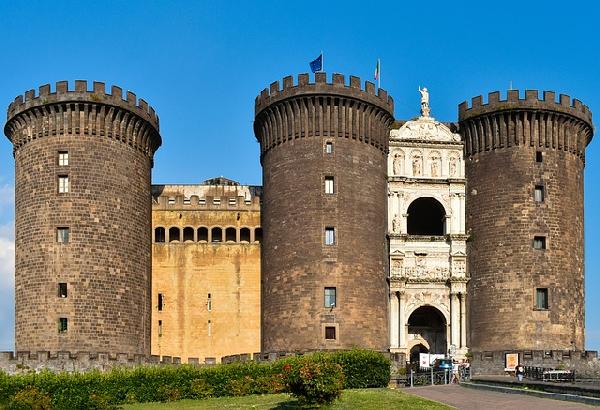
Castel dell’Ovo:The city’s oldest castle, located on a small island in the bay, offering lovely views.
Practical Information:
Getting There:A high-speed train from Florence takes about 3 hours.
Getting Around:The metro, funiculars, and buses are useful. The historic center is best explored on foot. Be vigilant for pickpockets.
The Home of Pizza:This is where pizza was invented. Try the authentic Pizza Margherita at a historic pizzeria like L’Antica Pizzeria da Michele or Sorbillo.
Suggestion: