A Comprehensive Travel Guide to Northern Norway, Sweden, and Finland
From the Arctic Capital to the Official Home of Santa Claus
Introduction to the Scandinavian Arctic
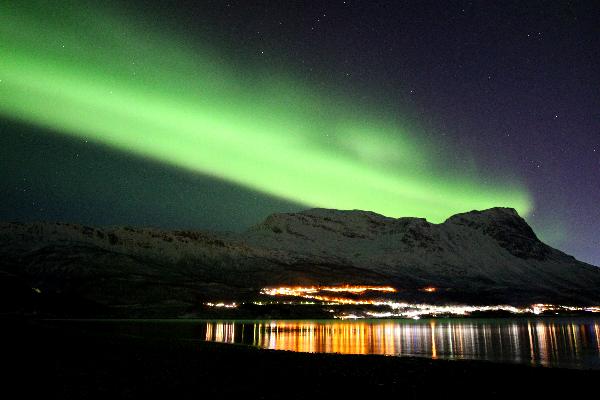
The northern reaches of Norway, Sweden, and Finland offer one of the most unique and captivating travel experiences on Earth. This is a land of dramatic contrasts, where the midnight sun illuminates endless summer days and the polar night is broken by the ethereal dance of the Aurora Borealis. It’s a region defined by raw, untamed nature, rich indigenous Sámi culture, and modern Scandinavian comforts. This guide will take you through a classic Arctic circuit, connecting the coastal charm of Norway’s Tromsø, the iron ore heart of Swedish Lapland in Kiruna and Narvik, the icy artistry of the Icehotel, the coastal gateway of Haparanda, the powerful maritime adventure of the Icebreaker, and finally, to the magical home of Santa Claus in Rovaniemi, Finland.
Journeying through these three countries in winter is an expedition into a snow-clad wonderland, while the summer offers a completely different, yet equally stunning, landscape of lush greenery and 24-hour daylight.
Destinations & Experiences
Tromsø, Norway: The Arctic Capital
Often called the “Gateway to the Arctic” or the “Paris of the North,” Tromsø is a vibrant city located well above the Arctic Circle at 69°N. Despite its northern location, it boasts a rich history, a lively cultural scene, and stunning natural surroundings.
Key Attractions:
The Arctic Cathedral (Ishavskatedralen): An architectural masterpiece with a stunning stained-glass window. Its iconic design is a symbol of Tromsø.
Fjellheisen Cable Car: Ascend to Mount Storsteinen (421 meters above sea level) for a breathtaking panoramic view of Tromsø, the surrounding islands, mountains, and fjords. A prime location for both midnight sun and Northern Lights viewing.
Polar Museum (Polarmuseet): Delve into Tromsø’s history as a major hub for Arctic expeditions, hunting, and trapper life.
Polaria: An Arctic experience center with an aquarium featuring bearded seals and other native marine life, and panoramic films about the Arctic wilderness.
Mack Brewery (Ølhallen): The world’s northernmost brewery, offering a taste of local beers in a historic pub.
Practical Information:
Getting There: Tromsø Airport (TOS) has direct flights from several European cities like Oslo, London, and Helsinki. The airport is connected to the city center by bus and taxi.
Getting Around: The city center is compact and easily walkable. Public buses are efficient for reaching sights further out.
Best Time to Visit: For Northern Lights: Late September to late March. For Midnight Sun: Mid-May to late July.
Must-Do Experience: Join a Northern Lights chase tour, often combined with a visit to a lavvu (Sámi tent) for a cultural experience.
Kiruna & Narvik: The Iron Ore Route
This segment of the journey takes you from Norway into Sweden, following the path of the iron ore that has defined this region for over a century.
Kiruna, Sweden:
Kiruna is the northernmost city in Sweden and is home to the world’s largest underground iron ore mine. The entire city is currently being relocated bit by bit to avoid subsidence from the mine—a fascinating story in itself.
Kiruna Church (Kiruna Kyrka): Voted Sweden’s most beautiful public building, this wooden church is a must-see before it is moved to the new city center.
LKAB’s Visitor Centre: Take a guided tour deep into the active mine to understand the scale and importance of the industry that built Kiruna.
Esrange Space Center: One of the world’s largest civilian space centers, offering tours and exhibitions about rocket launches and satellite communications.
Abisko National Park: A short drive/train ride from Kiruna, Abisko is world-renowned for its microclimate, which often provides clear skies ideal for Aurora Borealis viewing.
Narvik, Norway:
Founded as an ice-free port for Swedish iron ore, Narvik is surrounded by dramatic mountains and fjords. Its history is deeply tied to World War II.
Narvik War Museum (Krigsminnemuseum): A superb museum detailing the fierce naval and land battles fought in and around Narvik during WWII.
Narvikfjellet Cable Car: Travel to the top of Mount Narvik (656 meters) for spectacular views of the Ofotfjord and surrounding peaks. A hub for skiing and hiking.
Ofotbanen Railway: The scenic train line from Sweden to Narvik is considered one of Europe’s most beautiful train journeys, crossing wild landscapes and bridges.
Practical Information:
Getting Between Them: The Ofotbanen railway connects Narvik and Kiruna (approx. 2-3 hours). Buses also run this route.
Getting There: Kiruna Airport (KRN) has flights from Stockholm. Narvik is accessible by train, bus, or by flying into Harstad/Narvik Airport (EVE), followed by a bus.
Best Time to Visit: Winter for snow sports and Northern Lights; Summer for hiking under the midnight sun.
The Icehotel & Jukkasjärvi
Located in the small village of Jukkasjärvi, about 20 minutes from Kiruna, the original Icehotel is a world-famous institution built entirely from snow and ice from the nearby Torne River.
Key Features:
Art Suites: Each winter, artists from around the world are invited to design and sculpt unique suites, making every year’s hotel a completely new work of art.
The Construction: The hotel is rebuilt every December and melts back into the river each April/May. A permanent, cooled section, “Icehotel 365,” is open year-round.
Amenities: Besides the bedrooms, the complex features an Ice Bar (serving drinks in ice glasses), an ice chapel, and an exhibition area.
Activities: The Icehotel offers a wide range of activities including dog sledding, snowmobiling, Northern Lights tours, and moose safaris.
Practical Information:
Staying Overnight: Guests sleep on beds of ice with thermal sleeping bags on reindeer skins. Warm accommodations in “warm” cabins or rooms are also available.
What to Bring: The hotel provides cold-weather gear, but thermal base layers are essential. A beanie and gloves are recommended even for sleeping.
Booking: Reservations must be made well in advance, especially for the art suites. Day visits are also possible.
Getting There: Jukkasjärvi is easily reached by taxi or bus from Kiruna.
Haparanda & Tornio, Sweden/Finland
Situated at the mouth of the Torne River, Haparanda (Sweden) and Tornio (Finland) form a unique twin city straddling two countries and time zones (Finland is one hour ahead).
Key Attractions & Features:
The Border: Walk or drive freely across the border between Sweden and Finland. The two town centers are essentially one.
Shopping: Haparanda is known for its large shopping centers (like IKEA and Bossen) which attract Finns due to lower Swedish prices. Tornio offers a different Finnish atmosphere.
The Mirage Building (Haparanda Stadshus): A striking modern building housing the town hall and library, designed to look like a mirage on the horizon.
The Old Church of Haparanda: Sweden’s easternmost church, built in 1963.
Practical Information:
A Gateway City: It primarily serves as a logistical hub for travelers moving between Sweden and Finland.
Currency: Sweden uses Swedish Krona (SEK). Finland uses the Euro (EUR). Most places accept cards, but it’s good to have some local cash.
Getting There: