A Comprehensive Travel Guide to Granada, Spain
Nestled at the foot of the Sierra Nevada mountains in the heart of Andalusia, Granada is a city that captivates the soul. It is a place where history is not just studied but felt, where the air seems to whisper tales of a complex and layered past. Granada is synonymous with the Alhambra, a breathtaking palace and fortress complex that stands as the greatest surviving relic of Spain’s Islamic era. But beyond this world-famous monument lies a city of winding medieval streets, hidden plazas, vibrant tapas culture, and a unique blend of Gypsy, Moorish, and Spanish influences that create an unforgettable atmosphere.
An Introduction to Granada
Granada’s history is a rich tapestry woven by various civilizations, but its defining chapter was written during the Nasrid dynasty, the last Muslim kingdom in Spain. For over 250 years, Granada was a flourishing center of art, science, and culture. The city’s surrender to the Catholic Monarchs, Ferdinand and Isabella, in 1492 marked the end of nearly 800 years of Islamic rule in the Iberian Peninsula. This profound history is visible at every turn, from the architecture and street names to the local dialect and cuisine. Today, Granada is a lively university city, with a youthful energy that complements its ancient roots, making it a dynamic and compelling destination for any traveler.
Top Attractions and Must-See Sights
The Alhambra and Generalife
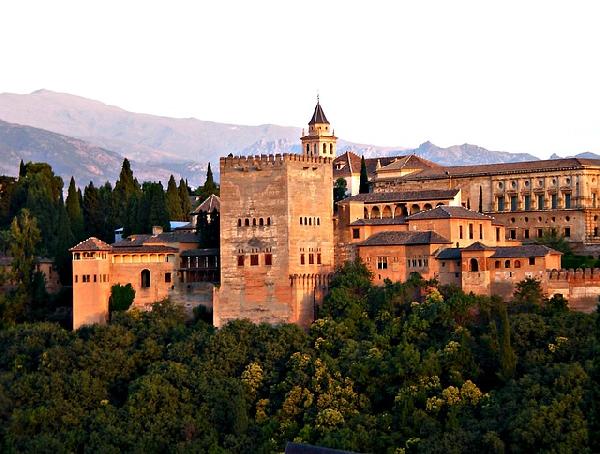
No visit to Granada is complete without experiencing the Alhambra, a UNESCO World Heritage site and one of the most visited monuments in the world. This sprawling complex is comprised of several parts:
Nasrid Palaces: The crown jewel of the Alhambra. These palaces are a masterpiece of Islamic architecture, featuring intricate stucco work, beautiful tile mosaics (azulejos), serene courtyards like the Court of the Lions, and mesmerizing muqarnas (stalactite-like ceiling decorations). Important: Entry to the Nasrid Palaces is strictly timed, and you must book tickets weeks or even months in advance.
Alcazaba: The oldest part of the Alhambra, this is the military fortress. Climbing its towers rewards visitors with the most iconic panoramic views of Granada.
Generalife: The summer palace and country estate of the Nasrid rulers. Its lush, terraced gardens, shaded pathways, and elegant water features offer a peaceful respite and are a sublime example of Moorish garden design.
Palace of Charles V: A striking Renaissance building located within the Alhambra walls, showcasing the architectural shift that occurred after the Christian Reconquest.
The Albayzín (Albaicín)
Across the Darro River from the Alhambra lies the Albayzín, the old Moorish quarter and another UNESCO World Heritage site. This labyrinthine neighborhood of narrow, winding cobblestone streets, whitewashed houses (cármenes), and hidden plazas is best explored on foot. Key spots include:
Mirador de San Nicolás: The most famous viewpoint in Granada. At sunset, this square comes alive with musicians and visitors, all gathered to witness the Alhambra glow red against the backdrop of the Sierra Nevada—a truly magical experience.
Carrera del Darro: A picturesque street running along the river, lined with historic buildings and offering beautiful views of the Alhambra.
El Bañuelo: Well-preserved 11th-century Arab baths that provide a glimpse into the daily life of Moorish Granada.
The Sacromonte
Adjacent to the Albayzín is the Sacromonte neighborhood, famous for its white cave houses (cuevas) dug into the hillside. This is the historic home of Granada’s Gitano (Roma) community and the birthplace of the flamenco Zambra, a raw and passionate form of the art. Visitors can:
- Attend an authentic Zambra show in one of the cave venues.
- Visit the Sacromonte Abbey and its museum.
- Walk along the Sacromonte Path for stunning views of the city and the Alhambra.
Granada Cathedral and Royal Chapel
In the city center lies Granada’s monumental Christian complex, built after the Reconquest.
Granada Cathedral: A magnificent Renaissance cathedral built upon the site of the city’s main mosque. Its vast interior, with a grand altar and multiple chapels, is awe-inspiring.
Royal Chapel (Capilla Real): Adjacent to the cathedral, this is the final resting place of the Catholic Monarchs, Queen Isabella I and King Ferdinand II. Their tombs, along with a collection of personal artifacts and Flemish paintings, are housed here.
Other Notable Sites
Corral del Carbón: A 14th-century Nasrid building that served as a merchant’s inn and is the only surviving building of its kind in Spain.
Monasterio de San Jerónimo: A beautiful Renaissance monastery with a stunningly ornate church.
Science Park (Parque de las Ciencias): A fantastic interactive museum, great for families.
Culinary Delights: What and Where to Eat
Granada’s food scene is a highlight, heavily influenced by its Moorish past and enhanced by a unique local tradition: free tapas.
Must-Try Dishes and Drinks
Free Tapas: In most traditional bars in Granada, when you order a drink (beer, wine, soft drink), you receive a free tapa. This can range from a simple bowl of olives to a small plate of paella or stew. It’s a social and affordable way to dine.
Tortilla del Sacromonte: A hearty omelette made with brains, sweetbreads, and other offal, typical of the Sacromonte area. An adventurous choice for foodies.
Habas con Jamón: A simple yet delicious stew of broad beans with ham.
Piononos: A sweet pastry from the nearby town of Santa Fe. It’s a small, cylindrical cake soaked in syrup and topped with toasted cream. A must-try dessert.
Remojón Granadino: A refreshing orange and cod salad.
Local Wines: Try wines from the Denominación de Origen (D.O.) of Granada, particularly from the regions of Condado de Guadix or Montefrío.
Recommended Areas for Dining
Calle Navas: Lined with traditional tapas bars, this pedestrian street near the cathedral is a hub of activity and a great place to experience the free tapas culture.
The Albayzín: Offers many restaurants with terraces boasting spectacular views of the Alhambra. Ideal for a more romantic or scenic meal.
Plaza Campo del Príncipe: A large square in the Realejo district (the old Jewish quarter), filled with popular bars and restaurants frequented by locals.
Getting Around Granada
Arriving in Granada
By Air: Federico García Lorca Granada-Jaén Airport (GRX) is located about 15 km west of the city. It has connections to major Spanish cities and some European hubs. A bus service connects the airport to the city center.
By Train: Granada’s train station has high-speed (AVE) connections to Madrid, Córdoba, and Seville, making it easily accessible from other parts of Spain.
By Bus: The main bus station has extensive connections to other Andalusian cities like Seville, Málaga, and Córdoba, as well as to smaller towns in the province.
Transportation Within the City
On Foot: The historic center, including the Albayzín and around the cathedral, is best explored on foot. Be prepared for hills and cobblestones.
Local Buses: Granada’s bus network is efficient and covers the entire city. Bus C30 (Alhambra Bus) runs from Plaza Nueva to the Alhambra entrance, saving a steep walk.
Taxis: Readily available and relatively inexpensive for getting to areas like Sacromonte or the Alhambra entrance.
Car: Driving in the historic center is not recommended due to narrow streets and restricted traffic zones (Zona de Tráfico Restringido). It’s best to park in a public parking garage on the periphery.
Accommodation Tips: Where to Stay
Choosing the right neighborhood is key to your Granada experience.
The City Center (Centro – around Gran Vía & Cathedral): Ideal for first-time visitors. You’ll be within walking distance of major sights, shops, and countless tapas bars. Offers a wide range of hotels and apartments.
The Albayzín: Perfect for those seeking atmosphere and stunning views. Accommodation here often consists of charming guesthouses (cármenes) and boutique hotels. Be aware that it’s a hilly area with limited vehicle access.
The Realejo: The old Jewish quarter is now a trendy, quieter neighborhood with plenty of good restaurants and bars. It’s well-connected and less touristy than the center.
Near the Alhambra: A few hotels are located on the hill near the monument. This offers unparalleled access for early visits but is less convenient for exploring the city’s nightlife and other attractions.
Cultural Insights and Local Etiquette
The Rhythm of Life
Granada operates on a late schedule, typical of Spanish culture. Lunch is typically from 2:00 PM to 4:00 PM, and dinner rarely starts before 9:00 PM. Tapas bars are busiest from 1:30 PM onwards for lunch and from 8:30 PM for dinner. Embrace this schedule to fully immerse yourself in local life.
Tipping
Tipping in Spain is not as large or obligatory as in some other countries. In bars and restaurants, it’s common to leave small change or round up the bill. For excellent service in a sit-down restaurant, leaving 5-10% is appreciated but not expected.
The Language of Flamenco
Flamenco is an integral part of Andalusian culture, especially in Granada. While tourist-oriented shows are common, seeking out a more intimate Zambra Gitana in Sacromonte provides a deeper, more authentic connection to this emotional art form. Remember to be respectful during performances; it is not just entertainment but a profound cultural expression.
Siesta and Shop Hours
Many smaller shops still close for siesta between approximately 2:00 PM and 5:00 PM. Larger stores and chains in the city center usually remain open all day.
A Sample Two-Day Itinerary
Day 1: The Moorish Legacy
Morning: Spend 3-4 hours exploring the Alhambra and Generalife (pre-booked tickets essential).
Afternoon: Walk down through the woods to Plaza Nueva. Explore the Carrera del Darro and enter El Bañuelo (Arab Baths). Begin your ascent into the Albayzín.
Evening: Arrive at Mirador de San Nicolás for sunset. Afterwards, get lost in the Albayzín’s streets and enjoy dinner at a restaurant with Alhambra views.
Day 2: The Christian City & Gypsy Soul
Morning: Visit the Royal Chapel and Granada Cathedral. Stroll through the Alcaicería (the old silk market) nearby.
Afternoon: Enjoy a tapas crawl for lunch on Calle Navas or in Campo del Príncipe. Visit the Corral del Carbón.
Evening: Walk up to the Sacromonte neighborhood. Visit a cave museum to understand its history before attending an authentic Zambra flamenco show.
Shopping for Souvenirs
Avoid mass-produced souvenirs and look for authentic local crafts:
Tarabilla – Granaino: A small ceramic piece depicting a man or woman in traditional Granadino dress. It’s traditionally hung on water jugs to make a sound when pouring.
Fajalauza Pottery: Distinctive blue-and-green hand-painted ceramics from the Fajalauza gate district.
Incienso de la Alhambra: “Alhambra Incense,” a popular local fragrance evoking the gardens of the Alhambra.
A journey to Granada is more than a vacation; it’s an immersion into a living history book where every corner tells a story. From the sublime beauty of its palaces to the lively hum of its tapas bars, this Andalusian gem promises an experience that will linger long after you’ve departed its sun-drenched streets.