A Comprehensive Travel Guide: The Ultimate Loop from Nice to Gorges du Verdon
This guide details a quintessential Provence road trip, looping from the vibrant Mediterranean coast of Nice into the heart of inland Provence, culminating in the breathtaking natural spectacle of the Verdon Gorge. The itinerary covers the stunning Gorges du Verdon and Lac de Sainte-Croix, the charming perched village of Moustiers-Sainte-Marie, and the iconic lavender fields of the Valensole Plateau before returning to the urban energy of Nice. It is designed for travelers seeking a blend of natural beauty, cultural heritage, and authentic French experiences.
Introduction to the Region
The French Riviera, or Côte d’Azur, is world-famous for its glamorous coastline, but just a few hours inland lies a dramatically different France. The Provence-Alpes-Côte d’Azur region encompasses rugged canyons, vast lavender plateaus, and picturesque villages perchés (perched villages) that seem frozen in time. This journey from Nice to the Verdon Gorge and back is a study in contrasts, moving from the azure blues of the sea to the deep emerald greens of the canyon and the purple hues of lavender fields, all while experiencing the rich culture and cuisine that define southern France.
Chapter 1: Nice – The Queen of the Riviera
Nice serves as the perfect starting and ending point for this adventure. As the capital of the French Riviera, it offers excellent flight and train connections, a vibrant urban atmosphere, and a rich Niçois culture distinct from the rest of France.
Attraction Introductions
Promenade des Anglais: This iconic seafront walk stretches for 7 kilometers along the Baie des Anges. It’s perfect for a stroll, a bike ride, or simply sitting on one of the famous blue chairs to watch the Mediterranean Sea.
Vieille Ville (Old Town): A labyrinth of narrow, winding streets filled with Baroque churches, bustling markets, and charming shops. The vibrant colors and scents make it a feast for the senses.
Colline du Château (Castle Hill): While the castle is long gone, this hill offers the most panoramic views of Nice’s red-tiled roofs, the Promenade des Anglais, and the breathtaking bay.
Marché aux Fleurs Cours Saleya: A daily market in the heart of the Old Town, brimming with fresh flowers, local produce, and regional specialties. It’s a hub of local life.
Musée Matisse & Musée Marc Chagall: Nice was home to many artists. These world-class museums house incredible collections of works by Henri Matisse and Marc Chagall, respectively.
Food Recommendations
Niçois cuisine is a highlight, heavily influenced by Italian and Provençal traditions.
Socca: A must-try street food, this thin, savory pancake is made from chickpea flour and cooked in a wood-fired oven.
Salade Niçoise: The authentic version includes tomatoes, hard-boiled eggs, Niçoise olives, anchovies, and olive oil—no cooked vegetables or canned tuna in the traditional recipe.
Pissaladière: A delicious onion tart, similar to pizza, topped with anchovies and olives.
Petits Farcis: Small vegetables like tomatoes, zucchini, and onions stuffed with a mixture of meat and herbs.
Ratatouille: A classic Provençal vegetable stew featuring eggplant, zucchini, bell peppers, and tomatoes.
Transportation Information
Nice Côte d’Azur Airport (NCE) is the main international gateway. The city’s tram system is efficient for getting around, but the Old Town is best explored on foot. For this road trip, renting a car is essential. Major rental agencies are located at the airport and central train station (Gare de Nice-Ville). It is highly advised to book your car well in advance, especially during the summer season.
Accommodation Tips
Accommodation ranges from luxury seafront hotels like the Negresco to charming boutique hotels in the Old Town and budget-friendly hostels. For a convenient start to the road trip, consider staying near the airport or the main train station for easy access to rental car offices.
Chapter 2: The Journey Inland & Lac de Sainte-Croix
The drive from Nice to Lac de Sainte-Croix takes approximately 2.5 to 3 hours. The route north on the A8 motorway offers stunning views as you leave the coast and climb into the pre-Alps. The landscape transforms from urban to rugged and mountainous.
Lac de Sainte-Croix (Sainte-Croix Lake)
This man-made reservoir, created in 1973, is renowned for its stunning, almost unreal, turquoise-blue water. It serves as the gateway to the Verdon Gorge and is a hub for water-based activities.
Attraction Introductions
Pont du Galetas: This bridge is the main access point to the lake and the entrance to the gorge. The view from the bridge of the emerald water flowing into the canyon is iconic.
Boat/Kayak/Paddleboard Rental: The best way to experience the Gorges du Verdon is from the water. Numerous rental outlets at the base of Pont du Galetas offer electric boats (no license required), kayaks, and stand-up paddleboards. Paddling into the mouth of the gorge is an unforgettable experience.
Beaches: The shores of the lake are dotted with pebble and grass beaches. Plage de Bauduen and Plage de Sainte-Croix-du-Verdon are popular spots for swimming and picnicking.
Food Recommendations
The villages around the lake offer simple, hearty Provençal fare.
- Enjoy a lakeside picnic with ingredients bought from local markets: fresh baguettes, local cheese, saucisson, and rosé wine.
- Many lakeside cafés serve salads, grilled meats (grillades), and plates of charcuterie.
Transportation Information
A private car is by far the most flexible way to reach and explore the lake area. Parking near Pont du Galetas can be extremely challenging and paid during peak season (July-August); arriving early in the morning is strongly recommended. There are limited bus services from towns like Aix-en-Provence, but they do not offer the flexibility needed for this itinerary.
Chapter 3: Moustiers-Sainte-Marie – The Ceramics Village
A short 10-minute drive from Lac de Sainte-Croix brings you to one of France’s most beautiful villages. Moustiers-Sainte-Marie is dramatically nestled in a rock fissure, with a stream cascading through its center. It has been a center of faïence (tin-glazed pottery) since the 17th century.
Attraction Introductions
The Golden Star: A famous legend surrounds the large gold star hanging on a chain between two cliffs above the village. It was supposedly hung by a returning knight after the Crusades.
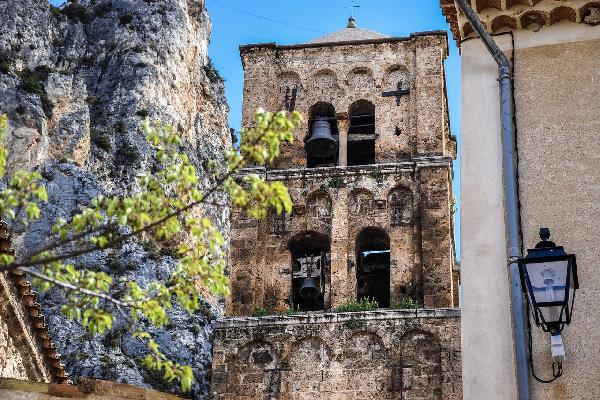
Notre-Dame de l’Assomption Church: A Romanesque church with a beautiful interior, accessible by climbing a flight of steps from the village square.
Faïence Workshops and Shops: The main street is lined with ateliers and shops selling the distinctive hand-painted Moustiers pottery. Visiting a workshop to see artisans at work is a fascinating experience.
The Waterfalls: A path from the village leads up to a series of picturesque waterfalls, offering a pleasant walk and a cool respite.
Food Recommendations
The village offers excellent dining options focusing on regional products.
Agneau de Sisteron: Tender lamb from the nearby Alpine pastures.
Tomme de Provence: A local goat’s cheese.
Herbs from the surrounding hills: Lavender honey, herbes de Provence, and truffles feature prominently on menus.
- Many restaurants offer terraces with stunning views of the cliffs and the village.
Accommodation Tips
Staying in Moustiers-Sainte-Marie allows for a magical evening after the day-trippers have left. Options include charming inns (auberges), guesthouses (chambres d’hôtes), and boutique hotels. Booking is essential months in advance for the summer season.
Chapter 4: Valensole Plateau – Lavender Sea
The drive from Moustiers-Sainte-Marie to the Valensole Plateau takes about 45 minutes. This vast plateau is one of the most iconic landscapes in Provence, famous for its endless rows of lavender and, later in the summer, sunflowers.
Attraction Introductions
Lavender Fields: The primary draw is the breathtaking sea of purple lavender. The blooming season typically runs from mid-June to early August, with peak bloom around early July.
Sunflower Fields: In July and August, vast fields of sunflowers create a stunning yellow contrast to the lavender.
Photography: The plateau is a photographer’s paradise, especially during sunrise and sunset when the light is soft and golden.
Local Producers: Visit roadside stalls and farms selling lavender essential oil, honey, soaps, and other lavender-based products.
Cultural Insights
Lavender cultivation is a vital part of the local economy and culture. The “Blue Gold” of Provence is harvested and distilled to produce essential oils used in perfumery and aromatherapy. Respecting the fields is crucial: walk between rows where possible, do not trample the plants, and always ask for permission if you wish to enter a field that appears to be on private land.
Transportation Information
Exploring the plateau requires a car. The most scenic routes are the smaller departmental roads (D roads) that crisscross the area, such as the D6 and D8. There are no formal addresses for the fields; part of the adventure is discovering your own perfect spot.
Chapter 5: The Return Journey to Nice
The drive from Valensole back to Nice takes approximately 2.5 hours via the A8 motorway. The route offers a final glimpse of the Provençal landscape before descending back to the Mediterranean coast. Consider stopping in one of the perched villages like Grasse, the world’s perfume capital, for a final inland experience.
Practical Travel Information & Itinerary Planning
Sample 3-Day Itinerary
Day 1: Pick up rental car in Nice in the morning. Drive to Lac de Sainte-Croix (2.5 hrs). Spend the afternoon kayaking or boating in the gorge. Check into accommodation in Moustiers-Sainte-Marie and enjoy dinner there.
Day 2: Explore Moustiers-Sainte-Marie in the morning, visiting pottery shops and climbing to the church. After lunch, drive to the Valensole Plateau to wander among the lavender fields during the beautiful evening light. Overnight in Valensole or a nearby town.
Day 3: Enjoy a final morning in Provence, perhaps visiting a lavender distillery. Drive back to Nice in the afternoon, dropping off the rental car.
Best Time to Visit
June to August: Ideal for lavender viewing (peak in July) and water activities at the lake. However, this is peak tourist season with large crowds and high temperatures.
May, September, early October: These shoulder months offer pleasant weather, fewer crowds, and more availability for accommodation. The lavender will not be in bloom, but the landscape is still beautiful.
Cultural Insights & Etiquette
Language: While English is spoken in tourist areas, learning a few basic French phrases (Bonjour, Merci, S’il vous plaît) is greatly appreciated.
Greetings: Always greet shopkeepers and staff with “Bonjour” when entering an establishment.
Dining Pace: Meals in France are leisurely affairs. Don’t expect rushed service.
Tipping: Service is included in all bills (service compris). It is customary to leave a small extra tip (pourboire) in cash if you received excellent service, but it is not obligatory.
Shopping Hours: Many small shops and businesses may close for a long lunch break (typically 12:00-14:00 or 13:00-15:00) and are closed on Sundays and Mondays.
Packing Essentials
Summer: Lightweight clothing, a hat, high-protection sunscreen, swimsuit, comfortable walking shoes, and sunglasses.
A reusable water bottle to stay hydrated.
A French phrasebook or translation app.
A valid driver’s license and an International Driving Permit if required for your country of origin.
A good road map or offline GPS, as mobile service can be spotty in rural and mountainous areas.
This loop from Nice through the heart of Provence offers an unparalleled journey through some of France’s most diverse and stunning landscapes. By combining coastal glamour with rustic inland charm and awe-inspiring natural wonders, it creates a rich and memorable travel experience.